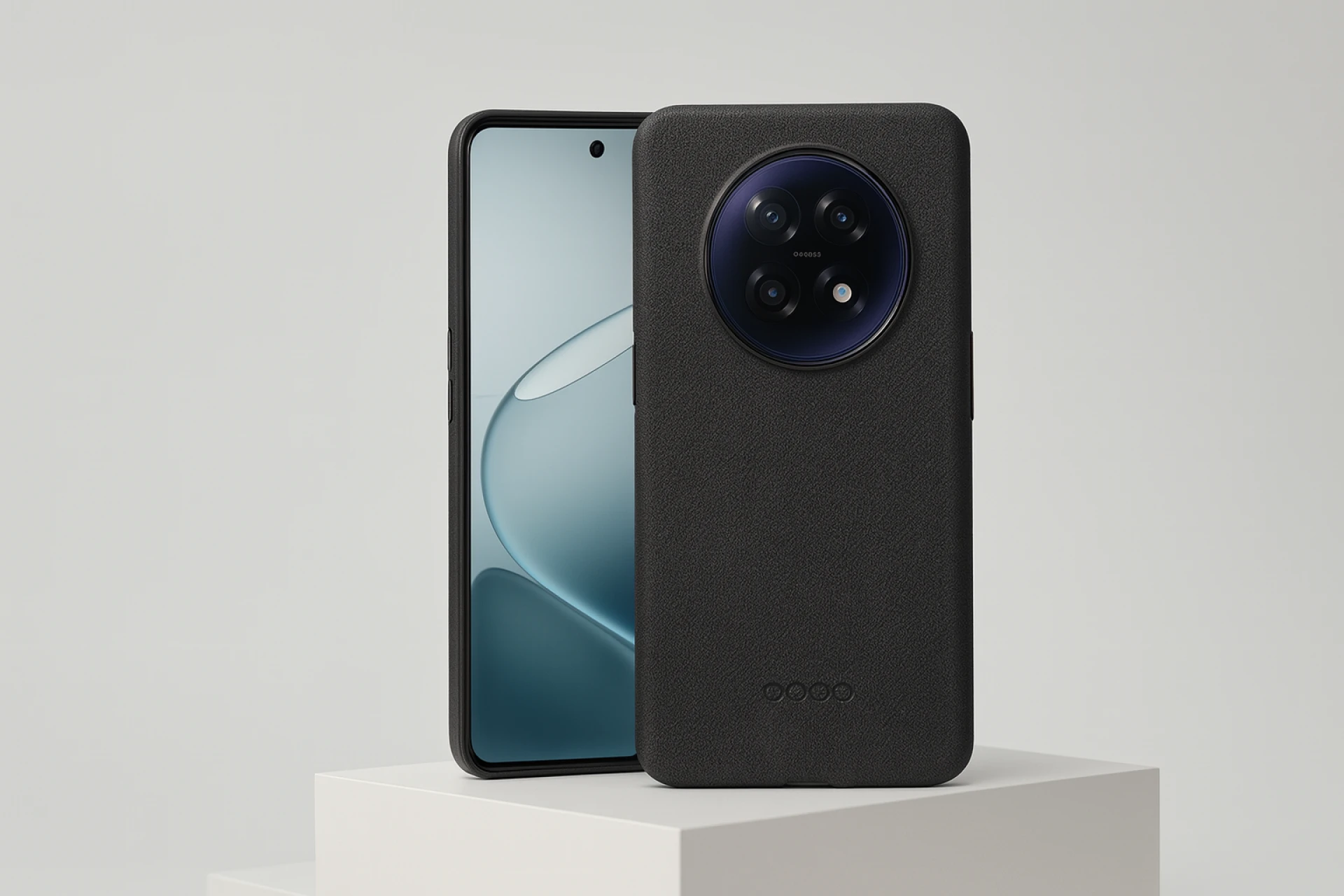
There's a calming assurance in a case for your phone that isn't overly glam and yet withstands the mishaps which we often pretend didn't happen. The most minimalist cases pull off a delicate balance: they're slim, while keeping the original design of the phone while still able to keep it safe from the daily chaos of pockets, bags keys, keys, and gravity. This blend of sophistication and strength has developed into a style language all its own. It's a style that people love not only for aesthetics, but also for the practical peace it provides.
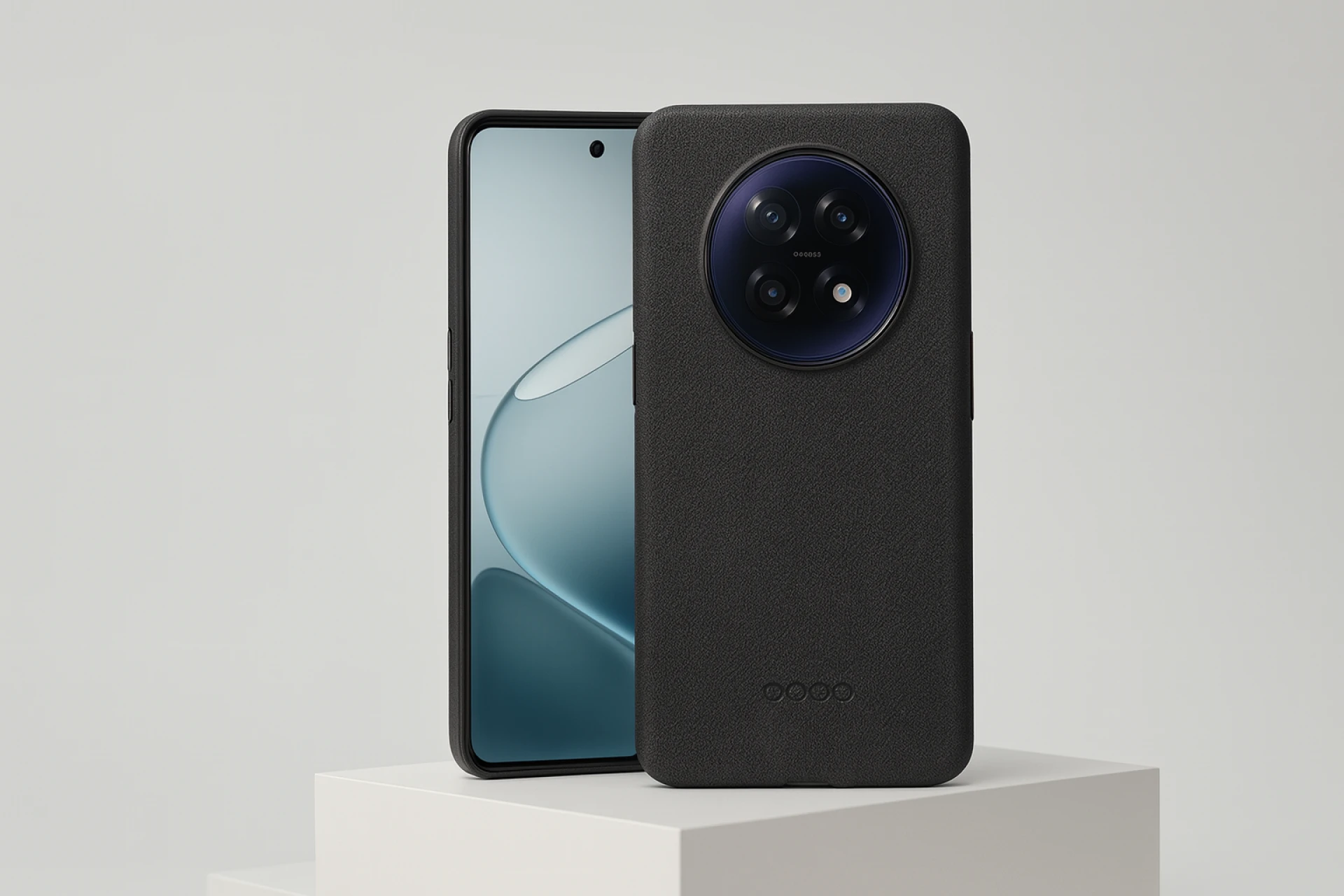
The Rise of "Barely-There" Protection
Minimalism was often synonymous with compromise. A slim case usually meant that the phone appeared good until the first drop. But materials have evolved dramatically--today's slim covers use layered polymers, shock-absorbing corners, hybrid TPU shells, and scratch-resistant textures that didn't exist a few years ago.
The thing that makes minimalist cases attractive isn't their weight (or absence in it) but the notion that your phone will be secured without losing its uniqueness. When you are holding your phone using modern, slim covers you feel the phone's surface--the finish and edges, the curvature rather than a huge brick.
This trend is apparent across categories and brands. Many who used to purchase tanks-like, tough cases are now choosing more sleeker models that offer the highest level of drop protection. As new models are introduced to the market, such as those seeking Oppo F31Pro Plus rugged covers there's an increasing demand for cases that provide protection without adding weight.
The Hidden Engineering Behind Slim Protection
Minimalism isn't just a fashion choice, it's an engineering encased in control. The strength and durability of the covers is based on three key elements.
Advanced Material Blends
Manufacturers have developed hybrids, including TPU for flexibility, PC to provide stiffness, as well as silicone-like substances that disperse shock, instead of absorption at a single location. The layers of these materials are constructed to keep the overall shape of the case slim, making the case bend when required and remains the shape when needed.
Strategic Reinforcement Zones
If you've thought about how a thin case is able to withstand dropping into a corner the answer lies in micro air pockets. They're not visible to the naked human eye but are found in the most critical areas of impact. The corners absorb about 80percent of the impact during a fall, and strengthening them will allow for the remainder of the body to remain thin.
Raised Edges Without the Chunk
One clever trick that minimalist cases employ is micro-lipped rims that wrap around the camera and screen. They elevate the phone enough to prevent scratches, without creating a ridge which can catch on fabrics or pockets. It's not a lot of engineering however it does make an impact in the durability.
Why People Avoid Bulky Cases (Even If They're Stronger)
Protecting your phone is crucial however, a heavy case can alter how a phone feels in your hands. With modern phones becoming smaller and more comfortable, adding additional padding can feel as if you've ruined all the effort in design.
Here's how slim, tough covers attract people's attention:
They do not alter the grip of the phone.
- A phone should be able to feel like the phone. Covers that are slim keep this.
They easily slide into bags and pockets.
- Chunky cases can snag fabrics or add weight that you can feel constantly.
They keep the phone looking just like its own.
- Many users purchase certain shades and finishes. The minimalist cases display those options instead of covering the choices.
They get older faster.
- Large tough cases can peel or fade in a noticeable way. The slim textured covers are more evenly distributed.
If you've recently purchased new phones, especially those considering options such as Oppo F31's tough cover this combination of aesthetics, grip and durability is even more attractive. It's not a good idea to cover the new phone with something that is twice its size.
Styles That Stay Slim Without Sacrificing Strength
Transparent Anti-Yellow Cases
Clear covers are the best choice for minimalists who prefer a subtle look. The top ones today use coatings that are resistant to yellowing and the reinforced corners blend into the design in a subtle way. The phone is still the main feature.
Matte Soft-Touch Shells
They have a soft look that hides fingerprints, and provides a lot of grip. They're usually slim however the inner liner cushions shocks quite well.
Frosted Hybrid Cases
They are positioned between transparent and opaque. It is still possible to see the outline of the phone, but the frosted finish gives it modern appearance. The majority of them have stiff side panels and flexible backs, which makes these phones tough, but not looking like armor.
Slim Magnetic-Compatible Covers
Magnetic rings previously required thick layers, however the newer rings are embedded into thin shells, without making the case expand. They're great for those who use grips, stands or wireless charging accessories frequently.
Durability Isn't Just About Drops
Minimalist cases are more than just drop resistance. They also tackle the wear and tear that is typical of usage.
Surface Protection
Scratches caused by dirt, dust particles and other abrasive substances are typically more frequent than drops. Small cases with hard-coated surfaces stop micro abrasions from occurring which can eventually deteriorate the finish of the phone.
Grip Enhancement
The phones can be slippery, particularly those with glass backings. Cases with textured, thin cases minimize the chance of falling, without appearing rough or industrial.
Better Heat Dissipation
The more streamlined cases are able to trap heat. Slim, elegantly designed case typically has cutouts or channels that permit greater airflow. This is helpful during lengthy gaming sessions or charging.
Camera Stability
Minimalist doesn't mean flat. Some slim cases offer only enough lift to keep them from touching other surfaces. This assists in avoiding micro scratches that could affect the image's clarity.
How to Choose a Minimalist Case That Still Feels Strong
Many people believe that all slim cases are identical However, there are subtle differences that make a difference.
Check the Weight, Not Just the Thickness
A case could be thin but it will weigh more than you would expect because of its thick materials. For daily use, look to find a case that feels weightless, rather than heavy.
Look for Frame Flex
Apply pressure to the sides gently. A quality case has a an appropriate amount of flex. It shouldn't feel rigid as a plastic case, neither should it be too flexible.
Examine the Button Feedback
Buttons are an issue. The best slim covers convey clicks with ease. The buttons that are stiff or mushy make phones feel old quickly.
Test Pocket Friendliness
Cases with rough edges or heavy rims catch on fabrics. Soft edges and a smooth matte finish are the most common ways to slide.
Consider Your Device's Specific Build
phones like the Oppo F31 -- which already has a sleek appearance--can benefit from covers designed on its dimensions. This is the reason why rugged covers typically concentrate on grip and corner protection and are light.
A New Way to Think About Phone Protection
It's no longer a matter of fragility that minimalists are. The market has advanced to the point that slim cases provide solid protection without drowning the phone in a sea of. It's about a design that respects the phone rather than imposing a burden on it. Cases that appear invisible but are able to step up in the instances that matter.
The majority of people want their phones to look great, feel great, and remain secure. And the latest generation of stylish and sturdy covers like from Coverarts does all three of these with astonishing ease.
If you discover an accessory case that matches your phone rather than obscuring it, it's an integral part of your routine. It doesn't require attention, it just works in a quiet way, protecting your phone which is carried everywhere.