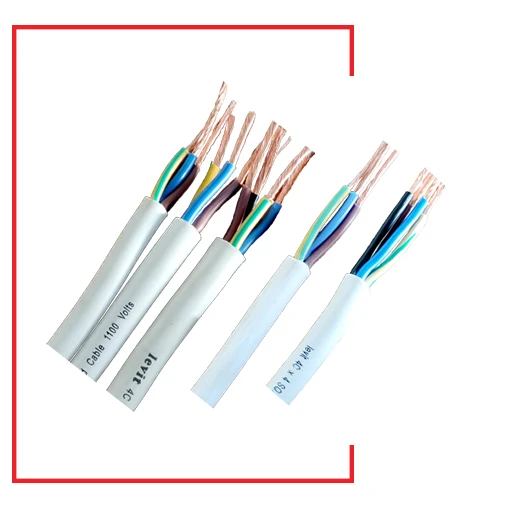
Modern industries are moving toward more compact, efficient, and intelligent control systems. Space is at a premium in today’s manufacturing plants, automation units, and infrastructure projects. That’s where flexible wires for control cables in UAE play a crucial role. Designed with finer strands, advanced insulation, and optimized diameters, these cables allow engineers to maximize panel functionality while minimizing space consumption. This article explores how miniaturization is changing control panel design, the advantages of using flexible wires, and what industries in the UAE can gain by adopting these solutions.
Why Miniaturization Matters in Control Panels
Rising Demand for Compact Systems
Automation, smart factories, and building management systems increasingly require more control devices in smaller enclosures. Traditional rigid cables often take up too much room, limiting how many components can be integrated.
Cost and Efficiency Factors
Smaller panels mean reduced material usage, easier installation in tight spaces, and improved cooling efficiency. Compact panels also reduce floor space requirements, which is especially valuable in urban UAE projects where space is costly.
Scalability and Future Readiness
Miniaturized wiring solutions allow businesses to expand control systems without a complete redesign. This adaptability ensures panels can keep up with evolving technology demands.
The Role of Flexible Wires in Miniaturization
High Strand Count for Flexibility
Unlike rigid conductors, flexible control wires are made of fine copper strands. This high strand count reduces the wire’s bending radius, enabling easier routing through compact spaces and around tight panel corners.
Reduced Outer Diameter
Advanced insulation materials allow manufacturers to design thinner yet durable jackets. This reduced diameter provides more space inside conduits and ducts, enabling denser cable layouts without overheating or interference.
Improved Ease of Termination
Flexible wires are easier to strip, crimp, and terminate. This not only speeds up assembly but also reduces the risk of errors, which is critical when working in smaller panels with limited accessibility.
Key Advantages of Using Flexible Wires for Compact Control Panels
1. Space Optimization
Flexible wires bend without damage, allowing tighter cable routing and neater organization. This results in cleaner layouts that save panel space while maintaining functionality.
2. Enhanced Reliability
In tight environments, wires often undergo repeated bending during installation and maintenance. Flexible wires withstand mechanical stress better than rigid options, maintaining performance over time.
3. Better Heat Dissipation
Dense cable layouts can trap heat, but modern flexible insulation materials are designed to withstand higher temperatures, ensuring safe operation even in space-restricted panels.
4. Simplified Maintenance
Clearer layouts and easier handling mean technicians can quickly locate and replace wires, minimizing downtime during service or upgrades.
Material Innovations Supporting Miniaturization
Advanced Insulation Compounds
Materials like cross-linked polyethylene (XLPE), thermoplastic elastomers (TPE), and specially formulated PVC allow thinner insulation layers without compromising electrical safety.
Halogen-Free Flame-Retardant Options
For industries focused on safety and sustainability, halogen-free flexible wires meet fire safety standards while supporting compact panel layouts.
Durable Sheathing Against Harsh Conditions
In the UAE, high heat, humidity, and dust are common. Insulation advancements ensure miniaturized wires still perform reliably under such environmental stress.
Applications of Miniaturized Flexible Control Wires in UAE Industries
1. Industrial Automation
Robotic systems and automated assembly lines require compact panels with precise wiring to manage complex movements and sensors.
2. Building Management Systems
Smart buildings rely on dense wiring for HVAC, lighting, and access control—areas where space-saving cables make integration easier.
3. Renewable Energy Installations
Solar and wind projects in the UAE benefit from compact control panels where flexible cables allow efficient routing in limited enclosures.
4. Oil and Gas Facilities
Harsh desert and offshore environments demand reliable, flexible control wires that can fit into rugged yet space-constrained systems.
5. Transportation and Logistics
Ports, airports, and railways depend on advanced control systems where every centimeter of panel space counts.
Installation Best Practices for Flexible Control Wires
Plan Cable Routing Carefully
Designers should map cable paths to reduce overlaps, sharp bends, and unnecessary strain.
Use Proper Cable Management Accessories
Cable ties, trunking, and ducts designed for smaller diameters keep wiring organized and prevent tangling.
Maintain Adequate Separation
Even in compact layouts, cables carrying different voltages should be adequately spaced to prevent interference or overheating.
Regular Inspection and Testing
Preventive checks ensure miniaturized control wires continue to perform under tight installation conditions.
Future Trends: Where Miniaturization is Heading
The trend toward smaller, smarter, and more energy-efficient control panels will continue in the UAE. Future innovations may include:
- Nanotechnology in insulation for ultra-thin yet resilient jackets.
- Hybrid cables combining power and data in one sheath to reduce wiring density.
- Pre-assembled harnesses tailored for compact panels, saving installation time.
These trends will make flexible wires even more essential in modern engineering applications.
Conclusion
Miniaturization is transforming how industries design and implement control panels, with flexible wires playing a central role in meeting these challenges. By enabling tighter layouts, improving safety, and supporting reliability, these wires help engineers optimize space without sacrificing performance. For businesses seeking trusted flexible wires for control cables in UAE, Levit Electric provides reliable solutions designed to meet local environmental demands and industry standards.