
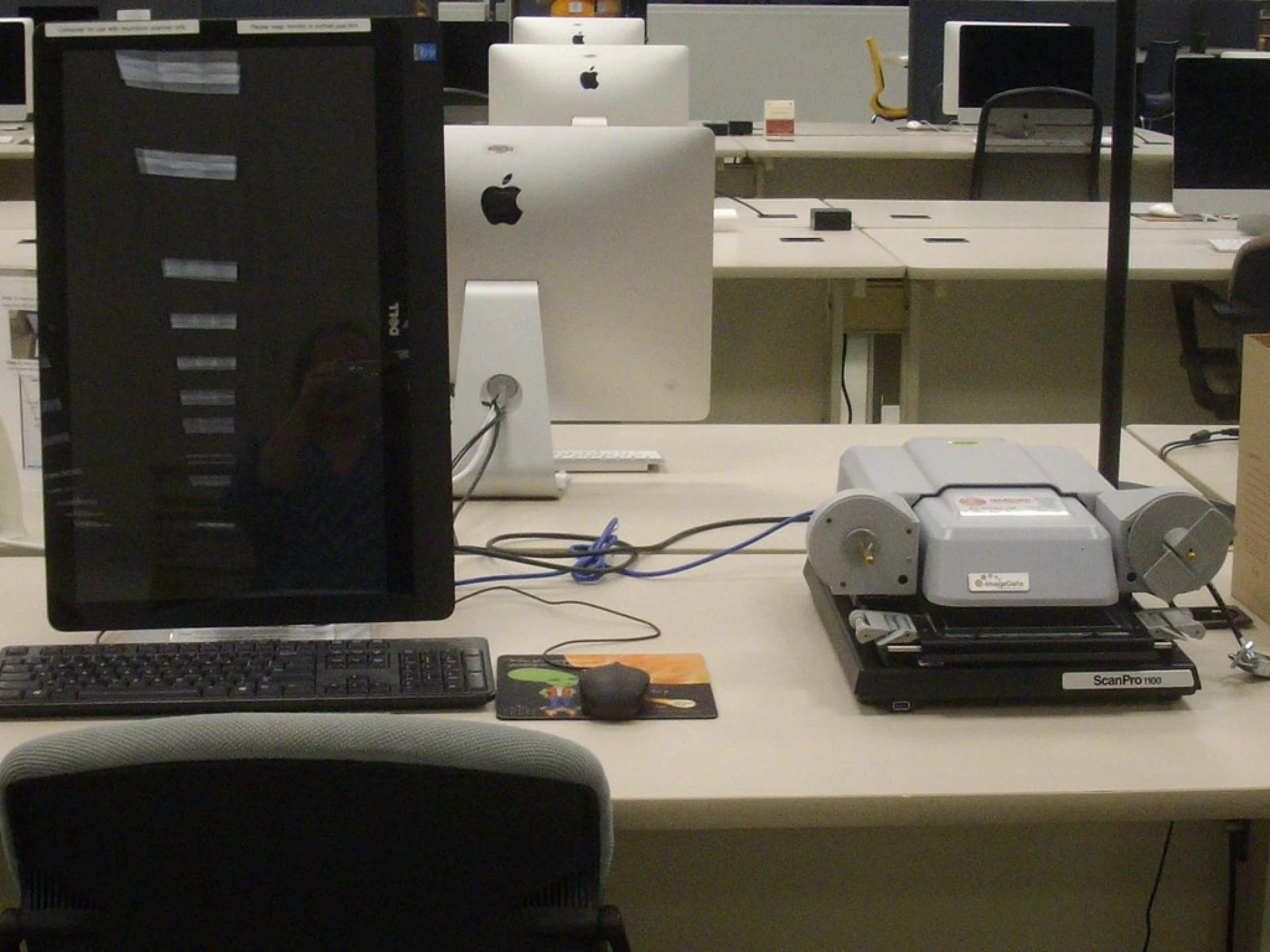
Understanding Microfiche and Its Role in Recordkeeping
For much of the twentieth century, microfiche was considered a breakthrough in records management. Libraries, universities, government agencies, and businesses relied on this thin film medium to store large volumes of documents in a compact format. Microfiche allowed information to be preserved and accessed without requiring vast physical storage rooms. However, as technology advanced, the reliance on microfiche diminished, and digital formats became the new standard for information storage. Today, microfiche scanning is an essential process that bridges the gap between outdated formats and modern digital access.
Why Microfiche Needs to Be Digitized
Microfiche, while durable in its time, is not immune to deterioration. Over decades, heat, humidity, and handling can cause fading, warping, or even complete information loss. Moreover, the equipment needed to read microfiche is becoming increasingly rare, and repair parts are difficult to find. By scanning and converting these records into digital files, institutions and businesses ensure that their data is not only preserved but also accessible on modern devices. Digitization future-proofs important archives, allowing them to be searched, shared, and stored in ways never possible with traditional microfiche readers.
The Technology Behind Microfiche Scanning
Modern microfiche scanning uses specialized equipment designed to capture high-resolution digital images of the tiny frames of data stored on the film. These scanners are capable of handling different types of fiche, such as step-and-repeat fiche, jacketed fiche, and COM (Computer Output Microfiche). Once scanned, the digital images are processed using software that enhances clarity, reduces visual noise, and organizes the output. Optical Character Recognition (OCR) can then be applied to convert static images into searchable text, making it possible to retrieve documents by keyword instead of manually reviewing frame after frame.
Benefits of Digital Conversion
The advantages of microfiche scanning go far beyond preservation. Digital records reduce physical storage requirements, freeing up valuable office or archive space. They also significantly improve efficiency by allowing users to access information instantly from a computer rather than relying on a physical fiche reader. For organizations that rely on compliance and record retention, such as legal offices, hospitals, and government institutions, digitization simplifies audits, research, and client service. Additionally, digital records can be backed up in multiple locations, ensuring that data is not lost due to natural disasters, accidents, or degradation of the original film.
Industries That Rely on Microfiche Scanning
Many industries still hold large collections of microfiche. Academic institutions often maintain historical research, dissertations, and newspapers in microfiche format. Law firms and courts may have decades of case files stored on film. Hospitals and medical providers frequently encounter patient records and insurance information preserved in this format. Government agencies, particularly land and property offices, often hold records on microfiche that date back many decades. In all these cases, scanning provides a way to modernize archives, maintain compliance with retention laws, and provide easier access to essential information.
The Scanning Process Step by Step
The process of converting microfiche to digital begins with a careful assessment of the collection. Archivists or scanning professionals evaluate the condition and type of fiche to determine the best scanning method. The fiche are then cleaned and prepared to ensure dust and debris do not interfere with image quality. Once loaded into a scanner, each frame is captured digitally at a resolution appropriate for the content, often between 200 and 600 DPI. The resulting images are processed, cropped, and indexed. OCR technology may then be applied to enable keyword searching. Finally, the digital files are exported into formats such as PDF, TIFF, or JPEG, and organized within a digital database or document management system.
Common Challenges in Microfiche Scanning
Despite advances in scanning technology, several challenges remain. Poorly stored microfiche may be brittle, scratched, or faded, making it difficult to capture a clean digital image. Some fiche collections include handwritten notes, diagrams, or low-quality originals that do not respond well to OCR. Large collections can also present logistical challenges, requiring careful indexing to avoid data loss or misfiling. To address these issues, professional scanning services employ technicians skilled in image enhancement, metadata tagging, and quality assurance. Their expertise ensures that the final digital archive is accurate, accessible, and durable.
Security and Compliance in Digitization
Data security is a critical aspect of microfiche scanning. Records often include sensitive information such as personal data, financial documents, or legal files. Professional scanning providers adhere to strict confidentiality protocols, using secure facilities and encrypted storage solutions. In industries governed by compliance standards like HIPAA, GDPR, or Sarbanes-Oxley, digitization projects must also meet legal requirements for record retention, privacy, and accessibility. By scanning microfiche into secure digital repositories, organizations not only modernize their information systems but also strengthen their compliance posture.
Costs and Considerations
The cost of microfiche scanning varies depending on collection size, condition, and project requirements. Factors such as resolution, OCR processing, and file formatting can affect pricing. While the initial investment may seem significant, it often pays for itself quickly by reducing storage expenses, improving staff productivity, and preventing costly data loss. Organizations considering digitization should weigh these long-term benefits against the immediate costs, recognizing that digital archives offer scalability, flexibility, and durability unmatched by physical media.
The Future of Information Access
As digital transformation accelerates, microfiche scanning represents an important step in making historical and institutional knowledge universally accessible. Digitized records can be integrated into cloud storage, content management systems, or enterprise databases. With advances in artificial intelligence, these records can even be analyzed for trends, insights, or patterns that were once hidden within dusty archives. Ultimately, scanning ensures that valuable knowledge is not locked away in obsolete formats but is available for current and future generations to explore.
Choosing the Right Scanning Partner
For organizations with extensive microfiche archives, partnering with a professional scanning service is often the best option. Experienced providers offer not only advanced equipment but also expertise in handling fragile materials, applying OCR, and organizing large collections. They work with clients to establish metadata standards, file naming conventions, and delivery formats that align with organizational needs. By selecting the right partner, businesses and institutions can transform their outdated archives into dynamic digital assets that add measurable value to their operations.
Conclusion: Preserving the Past, Empowering the Future
Microfiche scanning is far more than a technical process. It is a bridge between eras of recordkeeping, ensuring that valuable information survives and thrives in the digital world. By digitizing microfiche, organizations protect their archives from physical degradation, improve access for staff and clients, and embrace the efficiency of modern digital systems. Whether in academia, healthcare, law, or government, the benefits of scanning are undeniable. In a world where data drives decision-making, microfiche scanning stands as a vital tool for preserving history while empowering the future.