
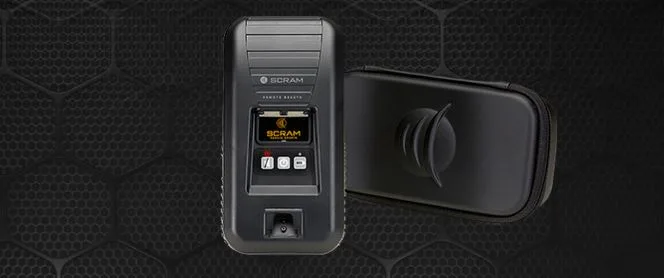
Electronic tether monitoring has become an important part of Michigan’s criminal justice system. Courts throughout the state use GPS and alcohol monitoring devices to supervise individuals while allowing them to remain in the community instead of being held in custody. Whether the monitoring is ordered during pretrial release, probation, parole, or house arrest, understanding Michigan tether laws and compliance requirements is essential.
In Michigan, tether programs commonly include GPS tracking devices, alcohol monitoring tethers, portable breath testing systems, and home confinement monitoring. These systems help courts improve public safety while ensuring accountability and compliance with court-ordered restrictions.
Understanding Tether Monitoring in Michigan
Michigan courts and correctional agencies use several forms of electronic monitoring, including:
- GPS tethers for location tracking
- Alcohol monitoring tethers that detect alcohol consumption through perspiration
- Portable breath alcohol testing devices
- Home confinement systems with curfew monitoring
GPS tether systems are commonly used in cases involving probation, parole, domestic violence, DUI offenses, stalking, or other court-supervised conditions. Alcohol monitoring systems are frequently ordered in OWI/DUI-related cases where abstinence from alcohol is required.
Michigan law also requires individuals on electronic monitoring to follow strict supervision rules and cooperate with monitoring agencies and court officers. Violations can lead to serious legal consequences, including arrest, bond revocation, probation violations, or incarceration.
Key Michigan Tether Laws
Michigan law prohibits anyone from intentionally removing, damaging, or interfering with an electronic monitoring device. Tampering with a tether device is considered a felony offense and may result in fines, imprisonment, or additional criminal charges.
Under Michigan Department of Corrections policies, individuals placed on electronic monitoring must:
- Maintain an approved residence
- Follow court-imposed schedules and restrictions
- Keep monitoring devices charged and operational
- Avoid entering restricted or exclusion zones
- Cooperate with supervising officers
- Report address or employment changes immediately
Michigan’s electronic monitoring systems can also include exclusion zones that alert authorities if a monitored individual enters prohibited locations such as a victim’s residence, workplace, or school.
Common Tether Violations in Michigan
Many tether violations occur because individuals fail to fully understand monitoring requirements. Common violations include:
- Allowing the tether battery to die
- Missing scheduled alcohol tests
- Leaving approved areas without authorization
- Entering restricted zones
- Attempting to tamper with the device
- Failing to maintain communication with monitoring staff
Even accidental violations can create legal complications if they are not reported promptly. Courts and supervising agencies take compliance seriously, especially in cases involving public safety or repeat offenses.
Compliance Tips for Individuals on Tether Monitoring
1. Keep Your Device Charged
One of the most common reasons for violations is low battery alerts. GPS tether devices require regular charging to maintain uninterrupted communication with monitoring systems.
Create a daily charging routine and never wait until the battery is critically low.
2. Follow Your Approved Schedule
If you are on house arrest or curfew monitoring, only leave your residence during approved times and for authorized purposes such as work, school, treatment, or medical appointments.
Michigan supervision programs closely track movement and can detect schedule violations immediately.
3. Avoid Alcohol Consumption Completely
Alcohol monitoring systems are designed to detect alcohol use continuously. Even small amounts of alcohol may trigger alerts and potential violations.
Individuals using alcohol tethers should also avoid alcohol-based products when advised by supervising agencies.
4. Report Problems Immediately
If your device malfunctions, becomes damaged, or loses signal, contact your supervising officer or tether provider immediately. Prompt reporting demonstrates cooperation and may help prevent misunderstandings.
5. Never Attempt to Remove or Tamper With the Device
Michigan law imposes serious penalties for tampering with electronic monitoring equipment. Even attempted interference can lead to felony charges and additional court sanctions.
Choosing a Reliable Tether Monitoring Provider
Working with an experienced monitoring provider can make compliance significantly easier. A reliable provider offers accurate equipment, responsive support, fast installation, and clear guidance throughout the monitoring period.
EMS Tether is one of the leading tether monitoring service providers in Michigan, offering GPS monitoring, alcohol tether systems, portable breath testing devices, and advanced electronic supervision solutions. EMS Tether provides monitoring services for courts, legal professionals, and individuals across Michigan using modern technology designed for accuracy and reliability.
Their services include:
- GPS tether monitoring
- Continuous alcohol monitoring
- Portable cellular breath testing devices
- Court-ordered electronic monitoring solutions
- Real-time tracking and compliance support
Final Thoughts
Michigan tether monitoring programs play a critical role in balancing public safety with alternative supervision options outside of jail or prison. Understanding the laws, following monitoring requirements carefully, and working with a trusted monitoring provider can help individuals avoid violations and successfully complete their supervision period.
Whether you are dealing with GPS monitoring, alcohol tether requirements, or court-ordered supervision, staying informed and proactive is the best way to remain compliant under Michigan law.