
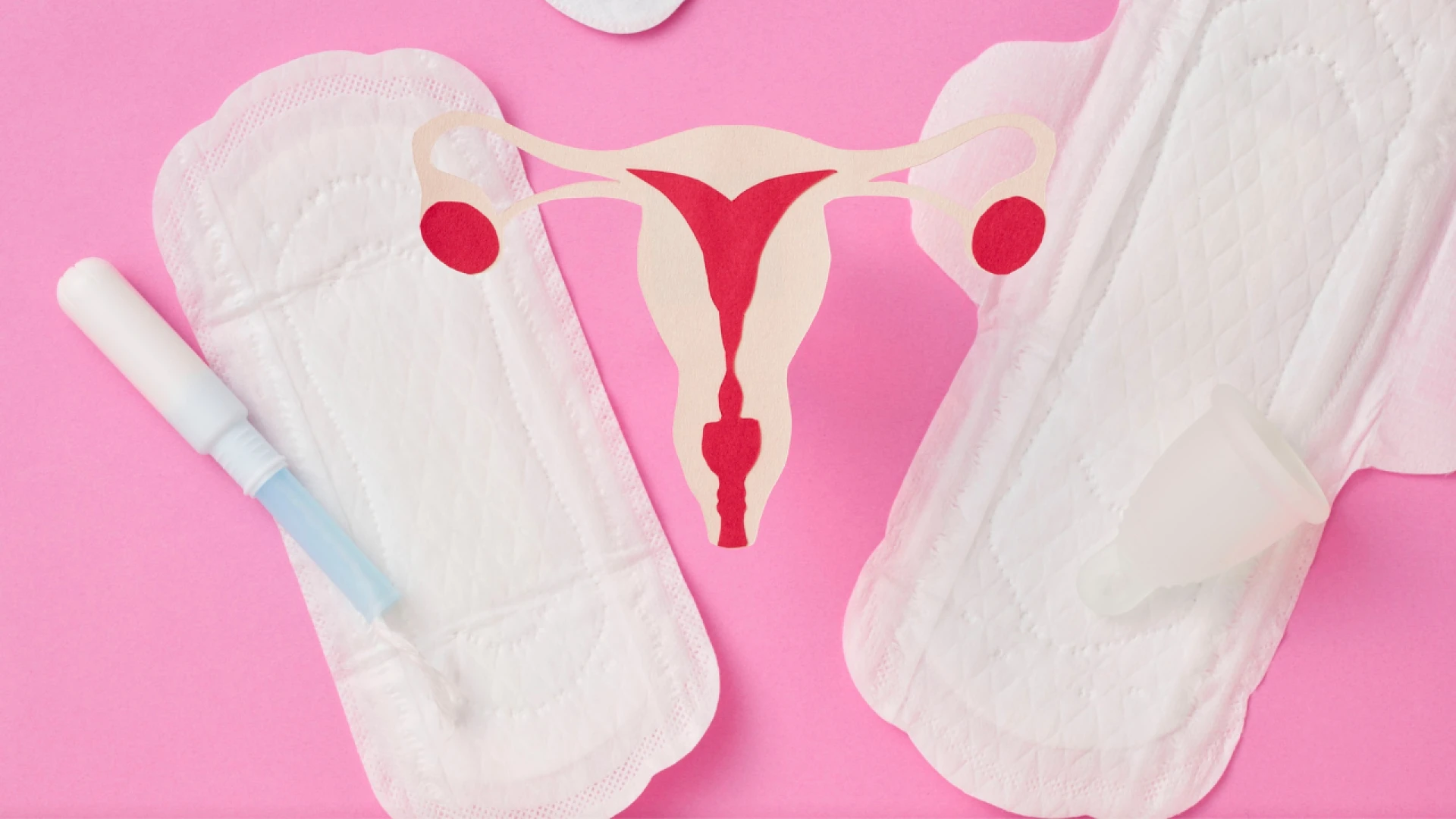
Menstruation is a natural biological process that marks a key aspect of reproductive health in individuals with a uterus. It involves the cyclical shedding of the uterine lining and is often accompanied by a variety of physical and emotional symptoms. Understanding these changes is essential for recognizing normal patterns, identifying potential health issues, and promoting overall well-being.
The experience of menstruation varies widely among individuals, influenced by genetics, lifestyle, hormonal fluctuations, and age. While some people experience minimal discomfort, others face more pronounced physical and emotional challenges during their cycles. Awareness of these symptoms helps in managing them effectively and reduces unnecessary anxiety or misconceptions.
Medical research continues to shed light on the physiological and hormonal mechanisms behind menstruation, offering insight into both common symptoms and less frequent but important health considerations. Recognizing the signals of the body during this time provides a foundation for proactive care and informed decision-making regarding reproductive health.
Common Physical Symptoms
Abdominal and Pelvic Discomfort
Cramping is among the most frequently reported physical symptoms. It occurs as the uterus contracts to expel its lining, often causing pain in the lower abdomen or pelvic region. Intensity can range from mild to severe, sometimes interfering with daily activities. Other associated symptoms include bloating, back pain, and general abdominal tenderness.
Breast Sensitivity
Hormonal fluctuations, particularly in estrogen and progesterone, can lead to tenderness or swelling in the breasts. This symptom is often cyclical, peaking shortly before the onset of the bleeding phase.
Fatigue and Energy Variations
Many individuals notice changes in energy levels during their cycle. Fatigue may result from a combination of hormonal shifts, sleep disturbances, and increased metabolic demands. Proper rest, balanced nutrition, and light physical activity can help alleviate these effects.
Gastrointestinal Changes
Digestive symptoms such as nausea, diarrhea, or constipation may accompany the menstrual cycle. These changes are often influenced by prostaglandins—hormone-like compounds that regulate uterine contractions and can affect the gastrointestinal tract.
Emotional and Cognitive Effects
Mood Fluctuations
Hormonal fluctuations can impact neurotransmitters like serotonin, contributing to mood swings, irritability, or heightened emotional sensitivity. While some individuals experience only mild changes, others may face more pronounced psychological effects.
Anxiety and Stress Sensitivity
Increased stress levels or anxiety can appear during certain phases of the cycle. Recognizing these patterns can help in implementing coping strategies, such as mindfulness, journaling, or professional support, when necessary.
Cognitive Variations
Some studies suggest subtle changes in cognitive performance across the cycle, including variations in attention, memory, and decision-making. While these shifts are generally mild, being aware of them can aid in planning demanding tasks or critical decision-making periods.
Hormonal Influences on the Body
Menstrual cycles are regulated by a complex interplay of hormones, including estrogen, progesterone, luteinizing hormone (LH), and follicle-stimulating hormone (FSH). These hormonal shifts not only orchestrate ovulation and uterine lining changes but also affect metabolism, fluid balance, and even skin condition.
Estrogen and Progesterone
Estrogen generally promotes tissue growth and fluid retention, while progesterone prepares the body for potential pregnancy. A decline in progesterone levels near the onset of bleeding triggers the shedding of the uterine lining. These hormonal changes can also influence sleep patterns, appetite, and emotional stability.
Prostaglandins
These hormone-like substances drive uterine contractions and contribute to symptoms like cramping and gastrointestinal disturbances. Elevated prostaglandin levels are often linked to more severe physical discomfort.
When to Seek Medical Advice
While most menstrual symptoms fall within a normal range, certain signs warrant professional attention. These include:
- Extremely heavy or prolonged bleeding
- Severe or worsening abdominal pain unresponsive to over-the-counter remedies
- Significant changes in mood or cognitive function that disrupt daily life
- Irregular cycles or sudden deviations from typical patterns
Lifestyle Strategies for Symptom Management
Although symptoms cannot always be eliminated, certain lifestyle approaches can help reduce discomfort:
- Nutrition: A diet rich in whole foods, low in excessive salt and sugar, may reduce bloating and fatigue.
- Exercise: Light to moderate physical activity improves circulation, reduces stress, and can alleviate cramping.
- Sleep Hygiene: Consistent sleep routines help stabilize mood and energy levels.
- Hydration: Adequate water intake can mitigate bloating and support metabolic functions.
- Mindfulness Practices: Techniques such as meditation or yoga may reduce perceived stress and emotional fluctuations.
While these strategies do not replace medical care, they provide a foundation for healthier cycle management and improve overall quality of life.
Conclusion
Menstruation is a multifaceted biological process, encompassing both physical and emotional dimensions. Awareness of common symptoms—from cramps and breast tenderness to mood swings and cognitive shifts—enables individuals to respond with informed strategies, seek care when necessary, and normalize the conversation around reproductive health. Understanding the underlying hormonal influences helps demystify these changes and promotes proactive health management.
Recognizing that each cycle is unique encourages a personalized approach, combining medical guidance with practical lifestyle strategies. This awareness empowers individuals to navigate their cycles with confidence and minimizes unnecessary concern about normal variations.
FAQs
What are typical menstrual symptoms?
Common symptoms include abdominal cramps, bloating, breast tenderness, fatigue, mood swings, and mild digestive disturbances. These generally appear in predictable patterns and resolve with the onset of bleeding.
How long do symptoms usually last?
Most physical and emotional symptoms begin a few days before bleeding and taper off within the first few days of menstruation. Duration can vary based on hormonal balance, lifestyle, and overall health.
When should I see a doctor?
Seek professional advice if symptoms are unusually severe, interfere with daily activities, or include heavy bleeding, extreme pain, or sudden mood changes.
Can lifestyle changes reduce symptoms?
Yes. Balanced nutrition, regular exercise, proper sleep, hydration, and stress-reduction techniques can help manage both physical and emotional discomfort.
Are mood changes during the cycle normal?
Yes. Fluctuating hormone levels can affect mood, energy, and cognitive function. These changes are usually temporary, but persistent or severe mood disturbances should be discussed with a healthcare provider.