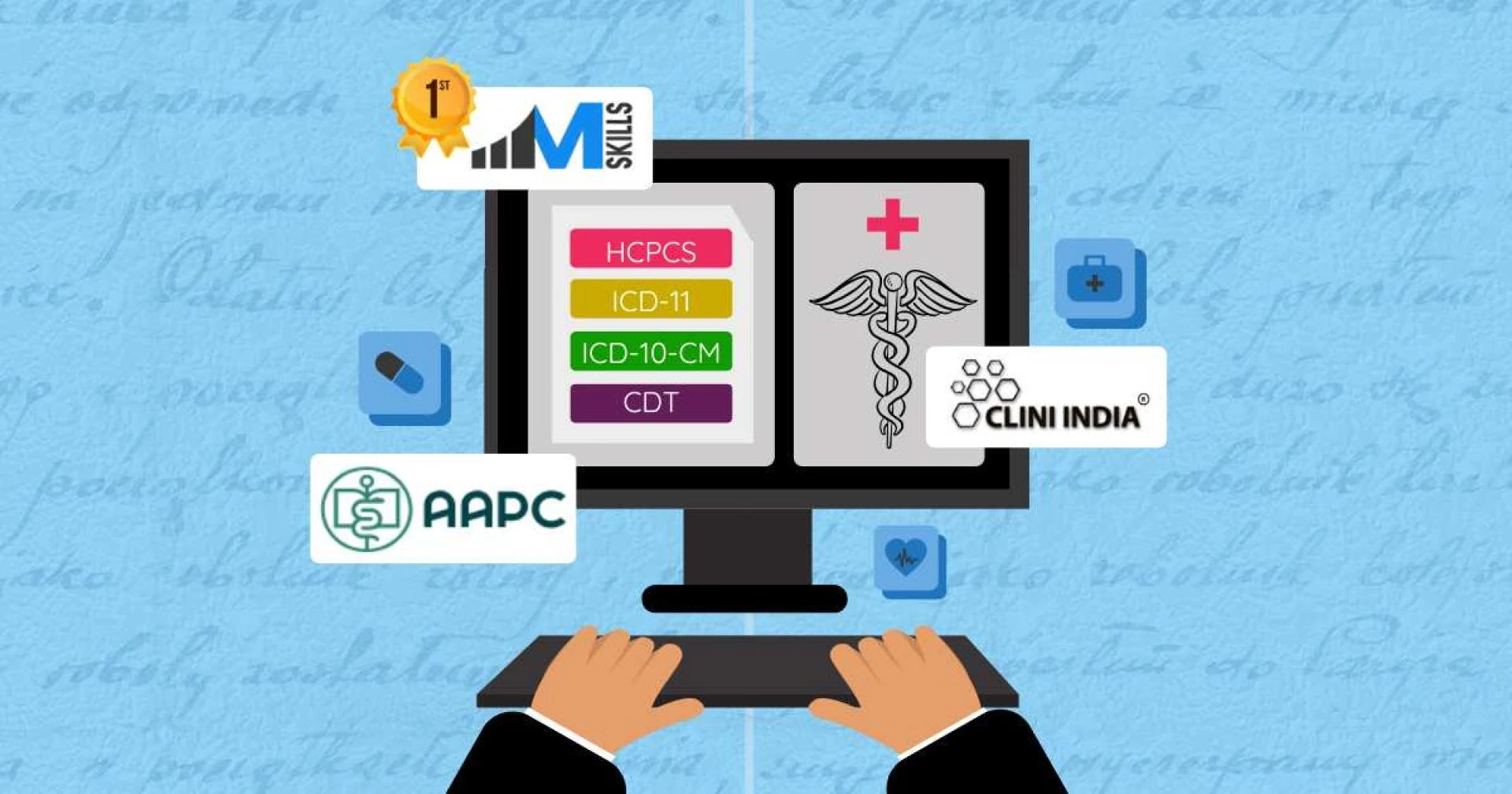
Medical coding and medical billing are two essential parts of the healthcare system, but they serve different purposes. While both work together to ensure smooth processing of patient records and insurance claims, the tasks involved in each are unique.
🧾 What is Medical Coding?
Medical coding is the process of converting medical diagnoses, treatments, and procedures into standardized codes. These codes—like ICD-10, CPT, and HCPCS—are used for accurate documentation and billing purposes.
For example, if a doctor diagnoses a patient with a condition like asthma or prescribes an X-ray, the coder assigns specific codes to represent each action. These codes become part of the patient’s official medical record.
💳 What is Medical Billing?
Medical billing comes after coding. A medical biller uses the codes provided by the coder to create insurance claims. These claims are then submitted to insurance companies for payment.
Billers also handle payment tracking, rejections, corrections, and sometimes even follow up with patients for outstanding balances. Their role is more focused on the financial side of healthcare.
🩺 Key Differences at a Glance:
- Focus:
- Coding: Assigning standardized medical codes.
- Billing: Processing claims and handling reimbursements.
- Tools Used:
- Coding: ICD, CPT, HCPCS manuals.
- Billing: Billing software, insurance portals.
- Skills Required:
- Coding: Strong medical knowledge, accuracy.
- Billing: Communication, finance handling, attention to deadlines.
Conclusion
Medical coding and billing are two sides of the same coin. While coders focus on ensuring the accuracy of medical records, billers make sure that healthcare providers are paid for their services. Both are crucial roles in the healthcare revenue cycle.