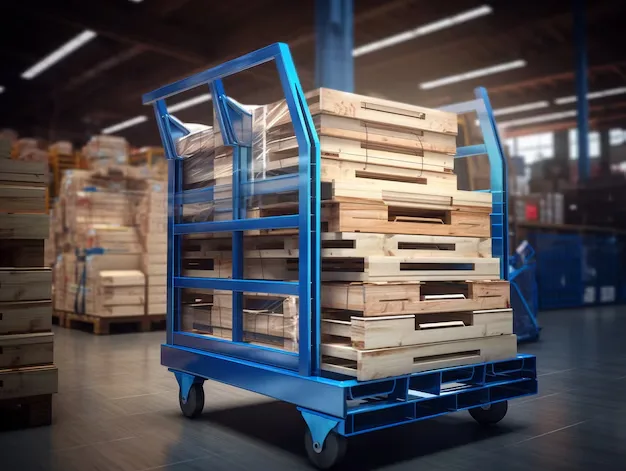
Building a sustainable income through pallet flipping requires more than just luck; it demands a systematic approach to procurement. Savvy entrepreneurs understand that liquidation reselling is a numbers game. To succeed, you must move away from guessing and start using precise calculations to determine the true potential of the pallets you are bidding on in today's crowded digital auction spaces.
Evaluating Inventory Quality
Quality control is the most challenging aspect of purchasing returns. Since many items have been handled by customers, their condition can range from pristine to broken. You need a reliable method to estimate how many units will actually be sellable. By focusing on high-quality manifests, you can filter out low-value "junk" pallets that would otherwise drain your bank account and your valuable time.
Why Manifests Matter
A manifest is your roadmap to profitability. It details the quantity, brand, and condition of every item included in the bulk shipment. When you analyze these details, you can spot high-value items that might be hidden among lower-priced goods. Experienced resellers spend significant time cross-referencing these lists with current online trends to ensure they are bidding on pallets that align with consumer demand.
Marketplace Competition Analysis
Your profits are directly influenced by how many other sellers are listing the same products. If a pallet is packed with items currently oversaturating the market, you will struggle to get a good price. Always check recent "sold" listings on major marketplaces. This helps you understand the realistic price point you can reach, preventing you from overpaying for inventory that simply will not move quickly.
Calculating Your Bidding Limits
The most common reason for failure in this industry is paying too much for stock. To protect your capital, you must establish a clear maximum buy price for every pallet before the bidding starts. This simple rule prevents emotional over-bidding, which is the fastest way to turn a potentially profitable venture into a series of losses that stall your business growth.
Setting Rigid Financial Rules
Never let the heat of an auction drive your spending. By calculating the total resale value and subtracting your target profit margin, you arrive at the absolute highest amount you should pay. If the auction price exceeds this limit, walk away. There will always be more pallets, but your capital is finite and must be protected at all costs to ensure you stay in business.
Leveraging AI for Precision
Modern AI tools act as your personal business analyst. They digest vast amounts of market data to provide you with a calculated maximum buy price instantly. This allows you to bid with confidence, knowing exactly where your profit threshold lies. Implementing this technology is a game-changer for those serious about professionalizing their liquidation reselling business and scaling for long-term profit.
Conclusion
Success in this field is achieved through rigorous preparation and unwavering financial discipline. By prioritizing transparency in your sourcing and using data to guide your bids, you significantly lower your risk profile. While the industry is competitive, those who take the time to analyze their inventory properly will always maintain a distinct edge over those who act impulsively.
Always treat your inventory purchases as a serious investment. Keep track of your metrics, learn from each pallet you sell, and never stop looking for ways to improve your margins. With the right tools and a commitment to data-backed decision-making, you can turn pallet flipping into a highly scalable enterprise that provides consistent growth for years to come.