
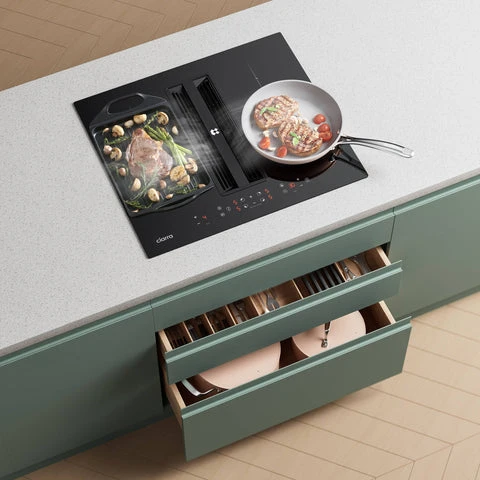
The kitchen is the heart of the home, and as cooking techniques and aesthetics evolve, so too must the essential appliances that keep our spaces fresh and clean. Among the most significant innovations in recent years is the angled cooker hood, a sleek and functional departure from the traditional, bulky extractor fan.
If you’re planning a kitchen renovation or simply looking to upgrade your current setup, understanding what these modern extractors are and how they work—especially models like the Ciarra One—is crucial. Let's delve into the world of angled cooker hoods and see why they are fast becoming the go-to choice for contemporary homes.
What Exactly is an Angled Cooker Hood?
Simply put, an angled cooker hood (or kitchen extractor) is defined by its design: it features a sloped front panel instead of the traditional flat, protruding canopy found on older models. This simple change in geometry brings a host of benefits that perfectly blend form and function.
The most immediate and practical advantage is improved ergonomics and headroom. No more accidental bumps to the head while checking on a simmering pot! The sloped design allows you to get closer to your cooktop without obstruction, making for a safer and more comfortable cooking experience.
Beyond practicality, the angled hood is a visual statement. With its often-glass or sleek metallic finish, it presents a visually appealing alternative to standard hoods. It sits flatter against the wall, creating a clean, seamless look that is perfect for contemporary kitchens or those with limited space where a traditional canopy would feel overwhelming. In essence, it’s an appliance that balances high-performance ventilation with a modern, minimalist aesthetic.
Understanding the Ventilation System: Recirculating and Carbon Filters
While angled hoods can operate as ducted extractors (venting air outside), many modern designs are also perfectly suited for a recirculating cooker hood setup—a particularly beneficial feature for apartment dwellers or homes where installing external ducting is impractical or impossible.
A recirculating hood is often called a ductless hood because it operates on a closed-loop system:
- It draws in cooking fumes, steam, and odors from the cooktop.
- The air passes through a series of specialized filters.
- The cleaned air is then released back into the kitchen.
This filtration process is a two-step marvel that ensures air quality is maintained. First, the air passes through a grease filter (typically aluminum or stainless steel), which effectively captures oil and grease particles.
The second, and arguably most vital component for a ductless system, is the activated carbon filter.
Why Carbon Filters are Essential for Air Quality
For a recirculating hood to be truly effective, it must do more than just capture grease; it must also neutralize the invisible pollutants and pervasive cooking smells. This is where the carbon filter shines.
The activated carbon granules within the filter are highly porous, giving them a massive surface area. As cooking air passes through, this porous structure performs a process called adsorption, which is essential for air quality. The carbon effectively recirculating cooker hood with carbon filter, smoke, and fine airborne pollutants, preventing them from simply being recycled back into your home. Without this vital component, a ductless hood would only redistribute stale, smelly air.
Angled cooker hoods offer a smart, stylish, and highly effective solution to kitchen ventilation. Whether you choose a sleek model like the Ciarra One for its modern lines or opt for the practical convenience of a recirculating cooker hood with carbon filter, you are choosing an appliance that brings innovation, comfort, and sophisticated design into the heart of your home.