Mathematics and creativity have long shared a unique relationship, and one of the most captivating examples of this connection can be seen in fractals in art. Fractals are complex patterns that repeat themselves at different scales, creating structures that appear both chaotic and beautifully organized. Artists and designers have embraced fractals in art as a way to explore patterns found in nature, mathematics, and digital design, producing works that are visually striking and conceptually fascinating.
The presence of fractals in art often mirrors patterns that occur naturally in the world around us. From snowflakes and coastlines to tree branches and clouds, fractal patterns appear in many natural structures. Artists use these mathematical principles to create works that reflect the same repeating complexity seen in nature, resulting in visuals that feel both organic and futuristic at the same time.
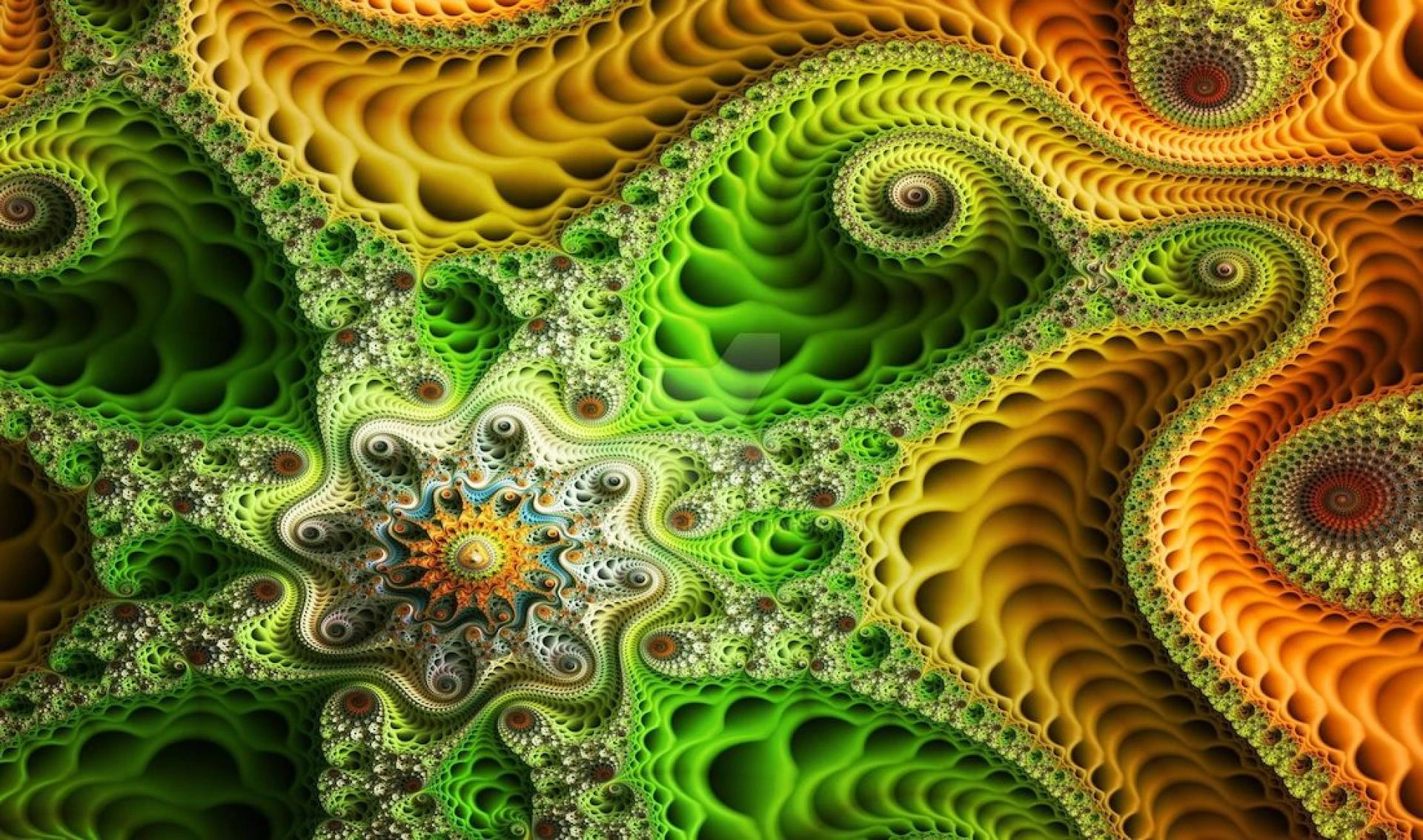
One of the most popular forms of this creative expression is fractal artwork, which often combines digital technology with mathematical algorithms. Using specialized software, artists can generate intricate designs that would be difficult or impossible to create by hand. These digital tools allow creators to experiment with color, symmetry, and depth, making fractal artwork a unique blend of science and artistic imagination.
The appeal of fractal artwork lies in its endless possibilities. Each design can evolve into countless variations simply by adjusting mathematical parameters or color palettes. This ability to produce infinite patterns means that every piece of fractal artwork can be completely unique, offering viewers a new visual experience every time.
Another popular aspect of this artistic field is the creation and sharing of fractal art images. These images often feature swirling shapes, repeating geometries, and vibrant color gradients that appear almost otherworldly. Artists and designers frequently use fractal art images in digital galleries, creative publications, and online platforms because of their ability to capture attention and spark curiosity.
The visual complexity of fractal art images makes them particularly appealing in modern digital culture. They are often used as wallpapers, digital installations, and visual elements in multimedia projects. Because each design contains layers of repeating detail, viewers can look at fractal art images multiple times and continue discovering new shapes and structures hidden within the pattern.
At the heart of this creative approach lies the concept of Fractalization. This process involves applying fractal principles to artistic design, allowing patterns to repeat and evolve in visually dynamic ways. Through Fractalization, artists transform simple shapes into intricate compositions that expand across the canvas while maintaining a sense of balance and harmony.
The idea of Fractalization goes beyond digital design and can also influence architecture, sculpture, and visual installations. By incorporating repeating patterns and self-similar structures, creators can build artworks that feel immersive and complex. Many modern designers use Fractalization as a conceptual tool to explore how mathematical order can create beauty and visual rhythm.
The rise of digital technology has greatly expanded the possibilities for fractal-based creativity. Artists now have access to powerful tools that allow them to manipulate shapes, colors, and equations to produce stunning visual results. As a result, fractals in art continue to inspire new generations of creators who enjoy blending mathematics with imagination.
Overall, fractal-inspired creativity demonstrates how science and art can merge to produce extraordinary visual experiences. Whether through intricate fractal artwork, mesmerizing fractal art images, or the creative process of Fractalization, fractal design continues to push the boundaries of artistic exploration.
By combining mathematical precision with artistic expression, fractal art offers a fascinating glimpse into patterns that exist both in nature and within the limitless possibilities of human creativity.