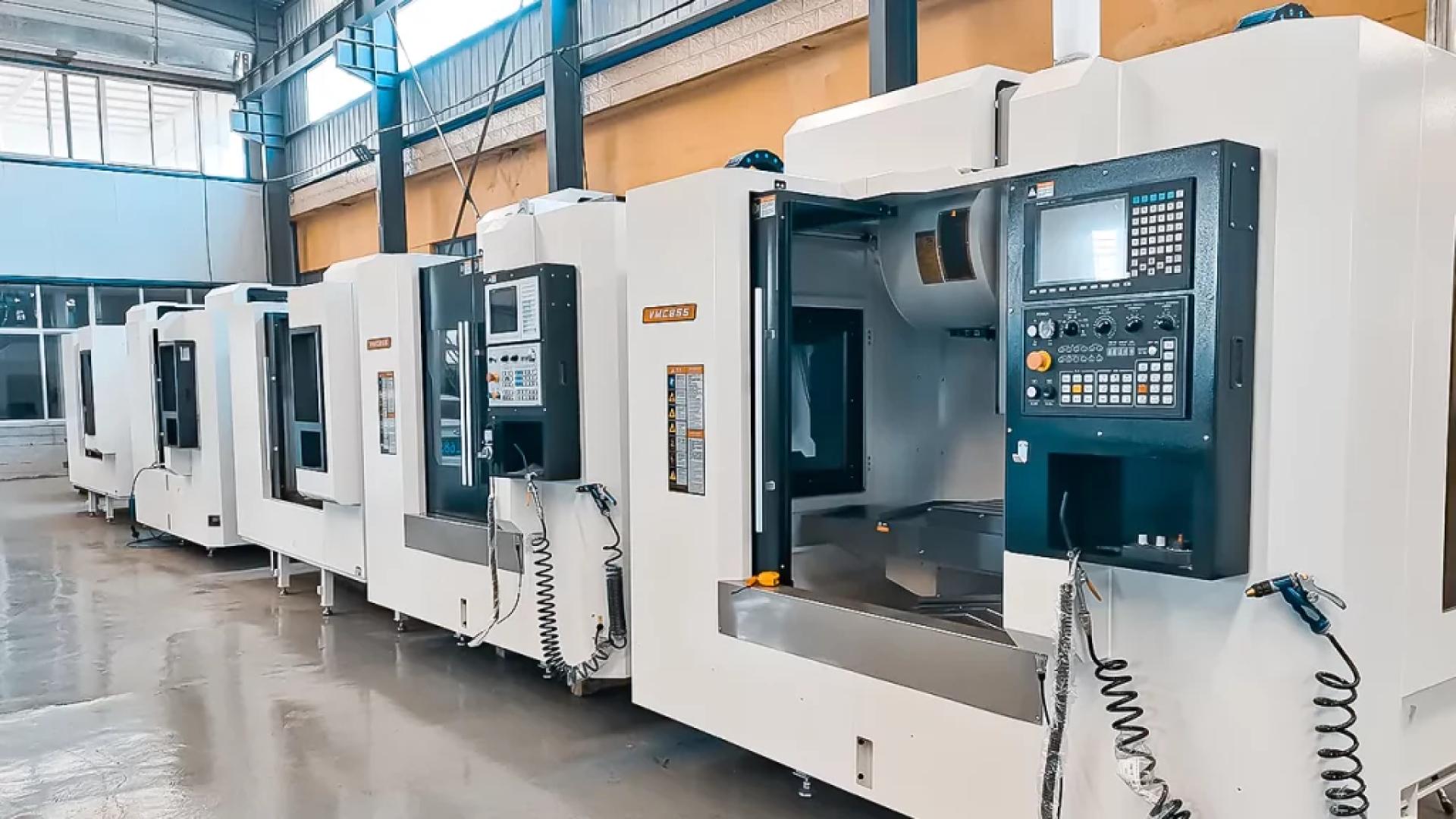
CNC machining is a cornerstone of modern manufacturing, enabling precision fabrication across diverse industries. One of the biggest factors influencing the success of any CNC project—whether a prototype or a high-volume run—is material selection. Different materials behave uniquely under machining conditions, and choosing the right one is essential for meeting performance, cost, and timeline goals.
This article explores the most commonly used materials in CNC machining and how they align with various manufacturing services such as prototyping, low- and high-volume production, rapid manufacturing, custom part fabrication, and engraving.
1. Metals
Metals are widely used in CNC machining for their durability, strength, and machinability. Each metal has specific characteristics that suit different services and applications.
Aluminum
Aluminum is a top choice for CNC machining due to its lightweight, corrosion resistance, and workability. Grades like 6061 and 7075 are particularly common.
- Prototyping: Ideal for early product versions that require a balance of strength and machinability.
- Low-volume production: Great for industries like aerospace or automotive needing high-performance parts in small batches.
- Rapid manufacturing: Easy to cut, allowing faster turnaround without sacrificing precision.
Stainless Steel
Stainless steel is used for parts exposed to moisture, chemicals, or high stress. It offers corrosion resistance and strength.
- High-volume production: Suitable for medical, food-grade, and industrial components requiring hygiene and wear resistance.
- Custom part fabrication: Used in structural or load-bearing custom parts.
- Engraving and marking: Holds up well under deep engraving, ensuring long-lasting identification.
Titanium
Known for its strength-to-weight ratio and biocompatibility, titanium is common in aerospace and medical applications.
- Prototyping & Custom fabrication: Often used when a prototype must mirror final product performance exactly.
- Engraving: Requires specialized tooling but supports long-lasting, durable markings.
Brass & Copper
These materials offer excellent electrical and thermal conductivity, making them suitable for electrical and decorative components.
- Custom parts: Used for fittings, connectors, and terminals.
- Engraving: Both brass and copper engrave well, providing high aesthetic value.
2. Plastics
Plastics offer a lightweight, corrosion-resistant alternative to metals. They are perfect for parts where weight, flexibility, or insulation is a priority.
ABS
ABS is a low-cost plastic with good toughness and impact resistance.
- Prototyping: Excellent for functional prototypes before switching to metal for production.
- Low-volume production: Used in consumer electronics and automotive interiors.
Nylon
Known for wear resistance and flexibility, nylon is ideal for dynamic or load-bearing parts.
- Custom part fabrication: Gears, bushings, and washers.
- Rapid manufacturing: Easy to machine and available in many grades.
PEEK
A high-performance engineering plastic with high thermal and chemical resistance.
- Prototyping & Low-volume: Medical or aerospace components needing durability and precision.
- Engraving: Accepts laser marking and shallow engraving.
Delrin (POM)
Stiff, low-friction, and stable, Delrin is a top choice for precision engineering.
- Custom fabrication: Valves, cams, and jigs.
- Rapid manufacturing: Maintains tolerances even under fast machining cycles.
PTFE (Teflon)
Extremely resistant to chemicals and high temperatures, with a non-stick surface.
- Custom parts: Gaskets, seals, and insulators.
- Prototyping: Functional mock-ups for chemical applications.
3. Composites and Other Materials
CNC machining also supports composites, ceramics, and hybrid materials, though each requires specialized tooling and process control.
Composites (e.g., Carbon Fiber, G10)
Lightweight and strong, composites are used in aerospace, defense, and high-performance consumer products.
- Low-volume production: Ideal for performance parts in drones, sporting equipment, and robotics.
- Engraving: Often marked with lasers or masked printing instead of traditional engraving.
Ceramics
Machined using abrasive techniques rather than cutting. Used in high-wear or high-temperature applications.
- Custom fabrication: Nozzles, wear parts, insulators.
- Prototyping: Advanced development for industries like medical or aerospace.
Material Considerations by CNC Service Type
Prototyping Services
Material selection during prototyping depends on whether form, fit, or function is the priority. For instance, ABS or Delrin may be used to evaluate part shape, while aluminum or stainless steel is chosen when mechanical testing is needed.
Using CNC machining for prototyping provides high-fidelity results. Engineers can test real-world performance with materials closely aligned to the final product, ensuring accurate validation before scaling.
Low-Volume Production
Materials like aluminum, Delrin, and brass are ideal for short-run manufacturing due to their machinability, cost-effectiveness, and availability. CNC machining eliminates the need for molds, making it easier to change materials or geometry between batches.
High-Volume Production
Durability and tool compatibility become more important in high-volume scenarios. Stainless steel, titanium, and engineering plastics like PEEK are favored due to repeatability and wear resistance.
Multi-axis CNC machines with tool monitoring allow for consistent production using harder materials without sacrificing cycle time or accuracy.
Rapid Manufacturing
Materials that are easy to machine—such as aluminum, ABS, and nylon—are optimal for rapid manufacturing. They support quick programming, high-speed machining, and fast delivery, making them ideal for tight schedules.
Learn more about how CNC cutting machines support rapid production in this complete guide to CNC cutting machines.
Custom Part Fabrication
Projects requiring unique material performance—such as biocompatibility, conductivity, or thermal resistance—demand custom material selection. Whether it’s a one-off titanium implant or a chemically resistant Teflon fitting, CNC machining accommodates these special requirements with precision.
CNC Engraving and Marking
Material hardness, surface finish, and durability determine how well a part can be engraved. Metals like aluminum, stainless steel, and brass are commonly used, as well as plastics like Delrin and ABS for serialized part labeling.
Engraving is typically integrated into the machining process, adding no extra tooling costs and offering permanent traceability for quality assurance or regulatory compliance.
Final Thoughts
Material choice is a critical factor in every CNC machining service, from initial prototyping to full-scale production. The right material affects machinability, cost, finish, tolerances, and product performance. Understanding how different materials behave under CNC machining helps manufacturers optimize both their process and final results.
Whether you're working with lightweight aluminum, resilient PEEK, or precision ceramics, CNC technology allows those materials to be transformed into highly accurate, functional parts tailored to any application.
For deeper insight into CNC cutting capabilities, processes, and material compatibility, explore this complete guide to CNC cutting machines.