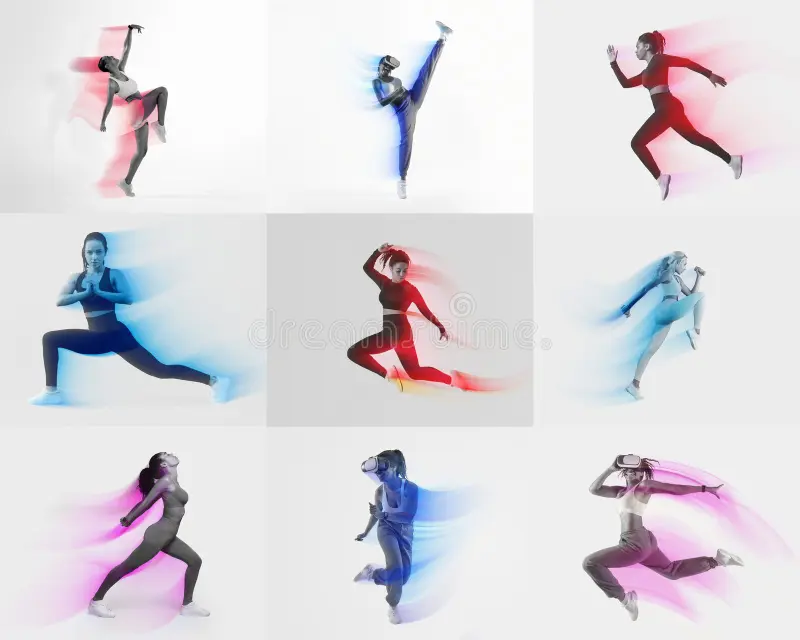
Understanding the Power of Individual Movements
Individual movements refer to isolated or singular physical actions that engage specific muscles or joints. These are fundamental for building control, stability, strength, and coordination. Unlike complex compound movements, which involve multiple muscle groups, individual movements are often used in rehabilitation, fitness training, skill development, and mobility enhancement.
When properly incorporated into a routine, individual movements empower us to enhance our body's function, prevent injury, and improve performance in both daily life and athletic activities.
Why Individual Movements Matter
The importance of individual movements cannot be overstated. They form the base layer of all physical activity and ensure that each muscle group performs its job effectively. Here’s how they contribute to overall wellness:
1. Targeted Muscle Engagement
Individual movements allow for focused muscle activation, which is essential for strengthening weak or underdeveloped areas.
- Example: A bicep curl targets the biceps without involving other major muscles.
- Benefit: Helps in correcting muscular imbalances and achieving symmetrical strength.
2. Improved Motor Control and Coordination
Practicing specific movements enhances neuromuscular coordination, enabling more precise control of the body.
- Example: Practicing isolated wrist rotations builds fine motor skills essential for typing, writing, or playing instruments.
3. Injury Prevention and Rehabilitation
Rehabilitation specialists rely heavily on individual movements to restore range of motion and muscle strength after injuries.
- Example: After knee surgery, controlled knee extensions help rebuild joint strength safely.
4. Foundations for Complex Movements
Individual movements serve as stepping stones to compound exercises like squats or deadlifts.
- Example: Mastering the hip hinge improves deadlift technique and reduces lower back strain.
Essential Categories of Individual Movements
Upper Body Movements
1. Shoulder Raises (Lateral and Front)
Focuses on deltoid muscles. Improves posture and arm mobility.
2. Wrist Flexion/Extension
Strengthens forearms. Useful for improving grip strength.
3. Bicep Curls
Isolates biceps for targeted development and toning.
4. Triceps Kickbacks
Engages triceps, vital for upper arm strength and balance.
Lower Body Movements
1. Leg Extensions
Targets quadriceps, improves knee joint support.
2. Hamstring Curls
Strengthens the back of the thigh, essential for walking and running.
3. Calf Raises
Improves ankle stability and lower leg strength.
4. Ankle Circles
Enhances joint mobility, reduces the risk of sprains.
Core Movements
1. Pelvic Tilts
Strengthens the lower abdomen, relieves lower back pain.
2. Abdominal Bracing
Improves core engagement, essential for balance and posture.
3. Bird Dog Extensions
Promotes spinal stability and coordination.
Incorporating Individual Movements into Your Routine
1. Warm-Ups and Cool-Downs
Individual movements are perfect for prepping the body before workouts or relaxing it afterward.
- Example: Ankle rolls and shoulder circles before a run.
- Outcome: Enhanced joint mobility and injury prevention.
2. Rehabilitation and Recovery
Post-injury routines often begin with isolated movements to gently reintroduce motion and rebuild strength.
- Example: Quad sets for knee rehab, performed lying down with minimal effort.
3. Skill-Specific Training
Athletes and performers use targeted movements to refine technique and build endurance in particular areas.
- Example: Finger lifts and thumb stretches for pianists.
4. Mind-Body Connection and Awareness
Mindful repetition of isolated movements helps develop proprioception, or the body’s awareness of itself in space.
- Practice tip: Slow down the movement, engage breathing, and mentally focus on the active muscle.
Progressions and Variations
To continually challenge the body, individual movements can be adapted in intensity and complexity.
Ways to Progress:
- Add resistance (dumbbells, resistance bands).
- Increase reps or sets.
- Add instability (e.g., standing on one leg while performing arm raises).
- Incorporate tempo (slower movement phases for control).
Example Progression:
- Basic bicep curl → Seated curl → Standing curl → Single-arm curl on a balance board.
Best Practices and Safety Tips
- Focus on form: Proper alignment ensures effectiveness and reduces injury.
- Start light: Begin with bodyweight or light resistance.
- Breathe steadily: Exhale during exertion, inhale during release.
- Avoid momentum: Let the muscles, not the joints, do the work.
- Listen to your body: Stop if you feel sharp or unnatural pain.
Who Should Practice Individual Movements?
Everyone. Whether you’re an elite athlete, a senior managing arthritis, or someone returning from surgery, individual movements play a critical role.
- Athletes use them for warm-ups and correcting imbalances.
- Elderly individuals benefit from improved joint mobility and fall prevention.
- Children learn body control and coordination through isolated play-based movements.
- Office workers reduce stiffness and posture-related pain by integrating neck rolls, shoulder shrugs, and wrist stretches.
Sample Daily Individual Movement Routine
Morning Activation (10 minutes):
- Neck rolls – 10 reps each direction
- Shoulder circles – 10 forward, 10 backward
- Ankle pumps – 20 reps per foot
- Abdominal bracing – 30 seconds x 2
Midday Mobility Boost (5 minutes):
- Wrist extensions – 15 reps
- Seated leg lifts – 20 reps
- Seated calf raises – 15 reps
- Standing side bends – 10 reps per side
Evening Wind Down (10 minutes):
- Hamstring stretch (individual leg) – 30 sec each
- Pelvic tilts – 15 reps
- Seated twist – 10 reps per side
- Deep breathing with shoulder rolls – 5 minutes
Conclusion: Movement Starts with the Individual
Individual movements are more than isolated exercises—they are the foundation of physical literacy and lifelong wellness. Mastery of these basic motions creates a ripple effect, leading to improved strength, reduced pain, better posture, and enhanced performance across all physical activities.