
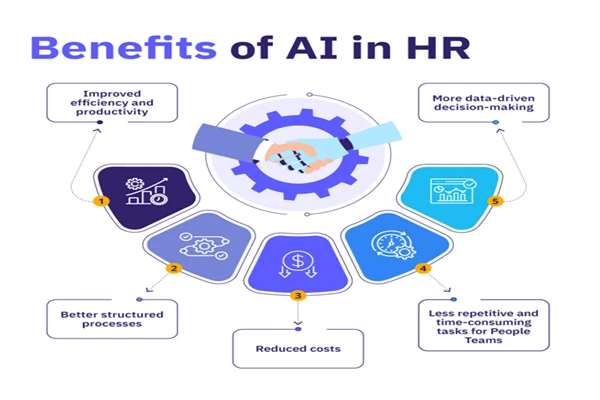
In today’s fast-paced business environment, managing human resources efficiently is critical for success. Many organizations still rely on manual processes, while others are rapidly adopting AI-powered HRMS software to streamline operations. This shift is not just a trend—it’s a transformation that is redefining how businesses manage their workforce.
Let’s explore the key differences between manual HR work and AI-powered HRMS solutions.
1. Efficiency & Time Management
Manual HR processes involve paperwork, spreadsheets, and repetitive tasks like attendance tracking, payroll processing, and employee record management. These tasks are time-consuming and prone to delays.
On the other hand, AI-powered HRMS software automates these processes. From attendance to payroll, everything is handled in real-time, saving hours of manual effort and allowing HR teams to focus on strategic tasks.
2. Accuracy & Error Reduction
Human errors are common in manual systems, especially when handling large volumes of data. Mistakes in payroll or attendance can lead to employee dissatisfaction and compliance issues.
AI-powered HRMS minimizes these risks by ensuring high accuracy. Automated calculations, real-time data updates, and validation checks reduce errors significantly.
3. Data Management & Accessibility
Manual record-keeping often leads to scattered data, making it difficult to access or analyze information quickly.
AI HRMS systems store all employee data in a centralized digital platform. This allows easy access, better organization, and instant reporting, enabling informed decision-making.
4. Employee Experience
Manual HR processes can be slow and frustrating for employees, especially when it comes to leave requests, salary slips, or updating personal information.
With AI-powered HRMS, employees get self-service portals where they can apply for leave, download payslips, and update details anytime, improving overall satisfaction and engagement.
5. Cost Efficiency
At first glance, manual systems may seem cost-effective. However, they often result in hidden costs due to inefficiencies, errors, and additional manpower.
AI HRMS software reduces operational costs by automating tasks, minimizing errors, and improving productivity, making it a cost-effective solution in the long run.
6. Scalability
As businesses grow, manual HR systems become increasingly difficult to manage.
AI-powered HRMS solutions are scalable and can handle growing employee data, multiple locations, and complex processes without additional workload.
7. Advanced Insights & Decision Making
Manual systems provide limited insights and require significant effort for reporting and analysis.
AI HRMS offers advanced analytics, predictive insights, and real-time dashboards. Businesses can make smarter decisions related to hiring, performance, and employee retention.
The comparison between manual work and AI-powered HRMS clearly highlights the advantages of automation and intelligence. While manual processes may work for small setups, they cannot keep up with the demands of modern businesses.
AI-powered HRMS software is not just a tool—it’s a strategic investment that enhances efficiency, accuracy, and employee satisfaction. Businesses that embrace this technology today will be better prepared for the challenges of tomorrow.
If you want to stay competitive and future-ready, it’s time to move beyond manual HR processes and adopt an AI-powered HRMS solution.