
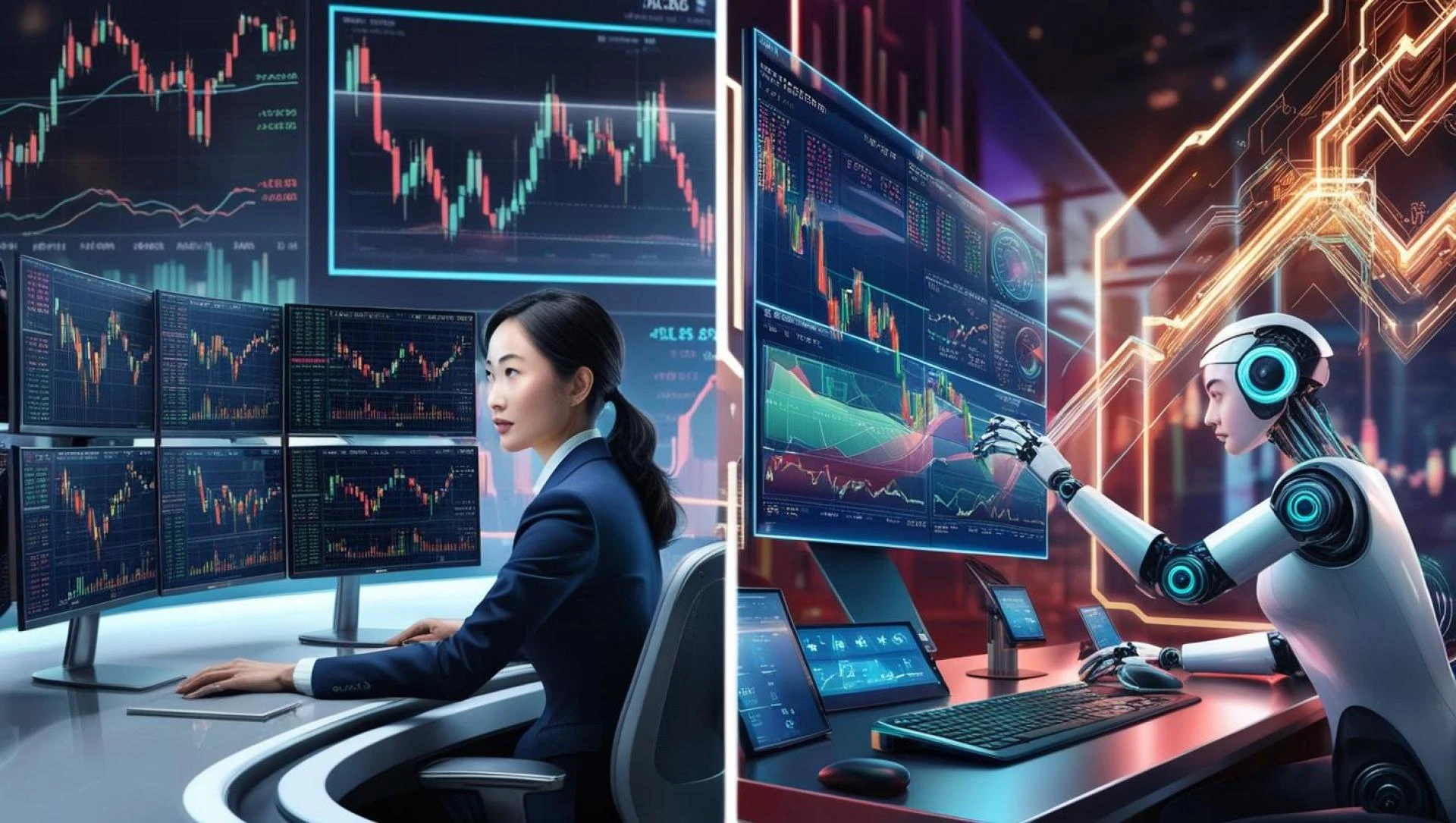
When it comes to trading, one of the biggest decisions you’ll face is whether to go the manual or automated route. Both have their pros and cons, and the right choice ultimately depends on your goals, trading style, and comfort level with technology. Let's dive into the differences, advantages, and drawbacks of each, so you can make an informed decision.
Manual Trading: Control at Your Fingertips
Manual trading is the traditional method where you, the trader, make all decisions in real-time. You analyze charts, spot trends, and execute trades based on your strategy. It’s the method that has been around since the beginning of the market.
Pros of Manual Trading:
- Full Control: You are in charge of every decision. From choosing your trades to deciding when to exit, the power lies entirely in your hands.
- Personal Strategy Development: If you have a unique approach or enjoy developing strategies, manual trading gives you the flexibility to implement and adjust your methods on the fly.
- Understanding Market Conditions: By executing trades yourself, you gain a deeper understanding of the market and the nuances of various instruments. This hands-on approach can make you more skilled over time.
Cons of Manual Trading:
- Time-Consuming: If you’re trading frequently, manually executing each trade can eat up a lot of time. You need to be glued to the charts and monitor market movements constantly.
- Emotional Influence: Manual trading can be emotionally taxing. The pressure to make split-second decisions can lead to mistakes or impulsive trades driven by fear or greed.
- Human Error: Even experienced traders can make mistakes, whether it's entering the wrong trade or missing a perfect setup.
Automated Trading: Let the System Do the Work
Automated trading, also known as algorithmic or robot trading, uses software to execute trades based on predetermined criteria. Once you set up the parameters (like entry/exit points, stop-loss, etc.), the system takes care of everything, from analyzing the market to executing trades on your behalf.
Pros of Automated Trading:
- Efficiency: Automated trading can monitor multiple markets and execute trades faster than you could manually. It’s particularly helpful for high-frequency trading or if you can’t be at the computer all day.
- Eliminates Emotions: Since everything is based on algorithms and pre-set conditions, the emotional aspect of trading is eliminated. This can help you avoid costly mistakes driven by fear, greed, or impatience.
- Consistency: Automated systems don’t get tired, distracted, or second-guess themselves. They follow the plan you’ve set without deviation, which can lead to more consistent results over time.
- Backtesting Capabilities: Many platforms, like NinjaTrader, offer backtesting, where you can test your strategies against historical data before using them live. This allows you to refine your approach without risking real capital.
Cons of Automated Trading:
- Limited Flexibility: Once a system is running, you can’t adjust it on the fly. If market conditions change or if something unexpected happens, the system will continue executing based on the set rules.
- Technical Issues: There’s always a risk of technical glitches. If your internet goes down or there’s a malfunction in the system, you could miss trades or face losses.
- Requires Initial Setup and Monitoring: While the system can run automatically, you still need to spend time setting up the rules, ensuring the system is running correctly, and monitoring it periodically.
Which One is Right for You?
The answer depends on what you value most in your trading journey.
Choose Manual Trading if:- You prefer to have full control over your trades and enjoy the process of decision-making.
- You have the time to dedicate to monitoring the markets and executing trades.
- You’re looking to learn and understand market behavior firsthand.
- You don’t have the time or prefer a more hands-off approach to trading.
- You want to eliminate emotional biases from your trades.
- You’re looking for consistency and the ability to test strategies using backtesting.
If you’re leaning towards automated trading and are looking for a reliable platform, you can check out NinjaTrader’s V72b System Lease for a robust trading experience. With tools that cater to both beginner and experienced traders, NinjaTrader offers a powerful solution for automating your trades. Visit Beyond the Breakers Trading for more details and to explore how you can leverage NinjaTrader for your trading goals.
Conclusion
Whether you opt for manual or automated trading, each approach has its strengths and drawbacks. The key is to assess your personal preferences, time commitment, and risk tolerance. Many traders even find success by combining both methods, using automation for certain tasks while keeping manual control over others. Whichever route you choose, ensure you’ve done the necessary research and testing to set yourself up for success in the markets.