
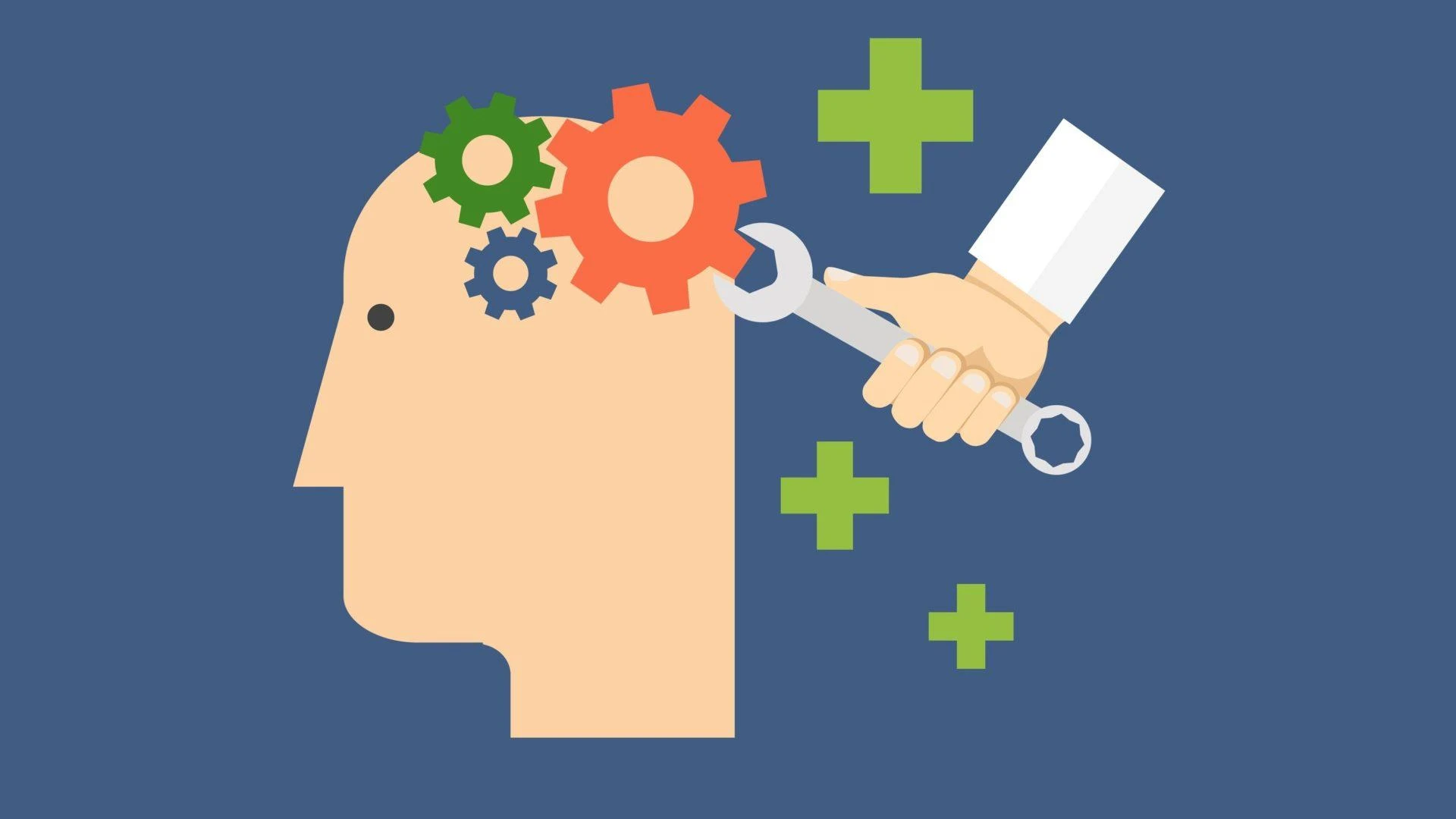
Construction sites are inherently high-risk environments. Workers are constantly exposed to physical hazards such as heavy machinery, working at height, electrical systems, and moving vehicles. While physical safety is a well-established focus in the industry, psychological safety—the mental well-being of employees—is equally crucial. In high-risk construction zones, managing psychological safety can prevent stress, anxiety, burnout, and even human error, ultimately enhancing overall safety and productivity.
Understanding Psychological Safety
Psychological safety refers to an individual’s perception that they can speak up, share concerns, and report mistakes without fear of punishment, ridicule, or retaliation. In construction zones, this concept extends beyond communication—it includes feeling supported, understood, and confident that the organization prioritizes mental well-being. When workers feel psychologically safe, they are more likely to follow safety protocols, ask questions about unclear instructions, and report near-misses, reducing the likelihood of accidents.
High-risk environments often generate high stress due to time pressures, physical danger, and complex coordination requirements. Without adequate psychological safety, this stress can escalate into fatigue, distraction, and impaired decision-making, increasing the risk of incidents.
The Importance of Psychological Safety in Construction
In construction, errors can have severe consequences. A momentary lapse in concentration can result in falls, machinery accidents, or structural failures. By promoting psychological safety, organizations create a culture where workers feel empowered to voice concerns, suggest improvements, and admit mistakes before they escalate into serious incidents.
Research has shown that psychologically safe workplaces experience higher levels of employee engagement, job satisfaction, and overall performance. In construction, these benefits translate into fewer accidents, better adherence to protocols, and more efficient project delivery.
Strategies to Promote Psychological Safety
1. Leadership and Management Practices
Leadership plays a pivotal role in fostering psychological safety. Supervisors and managers should model open communication, actively listen to concerns, and respond constructively to mistakes. When leaders demonstrate empathy and a commitment to safety, workers are more likely to feel secure expressing their thoughts.
Regular toolbox talks and safety briefings are ideal opportunities to reinforce the importance of both physical and psychological safety. Encouraging questions, sharing near-miss incidents, and highlighting lessons learned can normalize discussions around mental well-being.
2. Clear Communication Channels
Clear and accessible communication channels are essential. Workers should know exactly how to report safety concerns or psychological stressors, whether through digital platforms, suggestion boxes, or direct discussions with supervisors.
Regular check-ins, whether formal or informal, allow workers to share experiences of stress or fatigue. In high-risk zones, timely communication can prevent accidents caused by overlooked hazards or mental exhaustion.
3. Training and Education
Psychological safety should be integrated into all training programs. Safety inductions, workshops, and ongoing professional development can include modules on stress management, recognizing mental health issues, and building resilience.
Providing training equips workers with strategies to manage their own stress and supports colleagues experiencing difficulties. It also emphasizes the organization’s commitment to their overall well-being.
4. Encouraging Team Support and Collaboration
Strong team cohesion fosters psychological safety. When workers feel part of a supportive network, they are more likely to share concerns and assist each other in maintaining safe practices.
Team-building exercises, mentorship programs, and peer support initiatives can strengthen trust and mutual respect. This collaborative environment helps reduce isolation, which is often a factor in high-stress construction work.
5. Balancing Workload and Shift Patterns
Excessive workloads, long shifts, and unrealistic deadlines can exacerbate stress and compromise both physical and psychological safety. Employers should monitor workloads, provide adequate rest breaks, and implement fair shift rotations to reduce fatigue-related risks.
Regular risk assessments should include mental health considerations alongside physical hazards. Recognizing the impact of high-pressure work environments helps organizations proactively manage stressors before they affect performance.
Monitoring and Evaluating Psychological Safety
Ongoing monitoring is key to maintaining psychological safety. Employee surveys, feedback sessions, and safety audits can provide insights into stress levels, communication effectiveness, and workplace culture.
By tracking these indicators, management can identify areas for improvement and implement targeted interventions. This proactive approach complements traditional health and safety measures, ensuring a comprehensive risk management strategy.
Integrating Psychological and Physical Safety
Psychological safety is not a replacement for physical safety; rather, it enhances it. A mentally healthy workforce is better equipped to adhere to safety protocols, anticipate risks, and respond appropriately in emergency situations.
Companies operating in regions like London and Kent often collaborate with specialists in Health and Safety London and Health and Safety Kent to develop integrated safety programs that address both physical and psychological risks. Such partnerships ensure compliance with regulations while fostering a positive and safe work environment.
Conclusion
Managing psychological safety in high-risk construction zones is essential for preventing accidents, reducing stress, and improving overall workforce performance. By promoting open communication, providing training, encouraging team support, and monitoring mental well-being, organizations can create an environment where workers feel safe both physically and psychologically.
For construction projects, prioritizing psychological safety alongside physical safety not only protects employees but also enhances operational efficiency, reduces incidents, and strengthens organizational culture. By integrating these practices and collaborating with health and safety experts in London and Kent, construction companies can ensure that high-risk zones are safe, productive, and sustainable for all involved.
Also Prefer our other Article :
https://michaellordan.blogspot.com/2025/12/the-role-of-hr-in-supporting-mental.html