
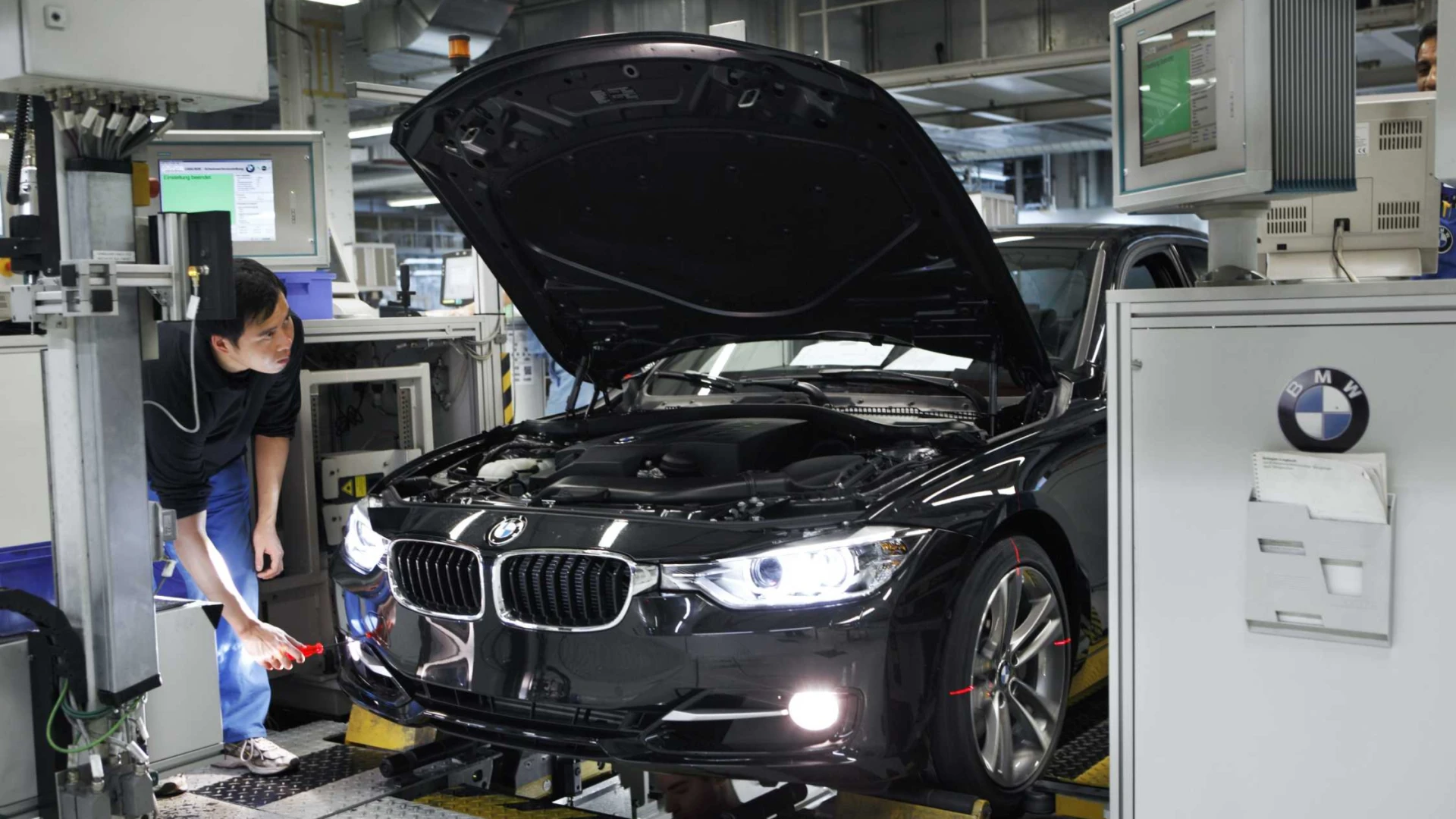
The sense of luxury in driving a BMW model goes beyond getting from one place to another. Every BMW model is built to feel balanced, responsive, and precise as you drive. However, that feeling is primarily based on how well the car is maintained.
Regular oil changes are one of the first preventive steps that help reduce internal wear before it becomes significant. Many owners think about maintenance only when a warning light comes on, but in reality, small changes often begin much earlier.
Understanding a few basic habits around automotive repair can make a real difference in how smoothly a BMW continues to perform over time.
Why Preventive Care Matters
A BMW is built with tight engineering tolerances, meaning many systems work closely together and respond quickly to even small changes. Engine temperature, fluid quality, sensor readings, and brake condition all affect how the car behaves on the road.
Unlike cars that may hide wear for a long time, a BMW often gives subtle early signs when something begins to drift out of balance. The steering wheel is heavier, the car is rougher at idle, and it uses more fuel.
These signs usually indicate that the car needs routine maintenance.
1. Engine Care Basics
The engine is the center of performance, but good engine care involves more than changing oil at scheduled intervals.
Several BMW engines, most notably the turbochargers, operate under above-average thermal and pressure extremes, making the quality and condition of the oil much more critical. Using the right oil grade helps maintain lubrication across Moving parts during cold starts and operating temperatures.
Over time, oil begins to lose some of its protective properties, especially in stop-and-go driving or repeated short trips when the engine is unable to warm up fully.
A handful of simple habits can help to protect the engine:
- Check oil level occasionally between service visits
- Notice whether the engine starts smoothly or idles unevenly
- Listen for ticking or unusual engine sounds
- Address small oil leaks before they spread
Models such as the 3 Series, X5, or X3 often remain mechanically strong for many years when fluid maintenance is consistent.
2. Cooling System Health
Heat control is one of the most important parts of BMW ownership. Even when the engine itself is healthy, weak cooling system components can slowly affect performance.
The cooling system includes hoses, coolant lines, radiator components, thermostat control, and electric fans. If one part begins to weaken, the engine may still drive normally at first, but internal temperatures can start rising more often than they should.
Common warning signs include:
- The temperature is climbing higher in traffic
- Cooling fan running longer than usual
- Sweet odor close to the front of the vehicle
- Cabin temperature varies for no reason
These signs may seem unimportant, but they often indicate issues that need to be addressed before the bigger engine stresses start to appear.
3. Brake Performance Checks
In a BMW, braking is closely tied to confidence and control. A good braking system should feel quick, smooth, and predictable. Over time, brake fluid absorbs moisture, reducing braking consistency and diminishing the braking system's performance, especially on highways and during repeated stops.
Brake pads and brake rotors will wear down faster or slower depending on how the vehicle is driven and its weight. To help maintain the performance of the braking system,
- Brake fluid should be changed regularly.
- Check the pads before they wear down too much
- If you feel vibrations when braking
- If you hear squeaks or grinding noises
In larger models like the 5 Series or the X7, the brake pads may wear down more quickly because the car is heavier.
4. Tire Condition Matters
Tires directly affect steering response, cornering balance, and road stability. Tire wear can change how the car feels, even if the engine is operating perfectly. The BMW suspension system is designed to react to even the most minor changes in alignment, so the effects of small differences in tire pressure can become evident very quickly.
The following characteristics should be monitored:
- Uneven edge wear
- Slight pull while driving straight
- Vibration at higher speeds
- Pressure shifts during seasonal changes
This is one reason many drivers visiting local Wilmington, NC, auto repair specialists are advised to check alignment when tire wear patterns begin changing unexpectedly.
5. Electronics and Sensors
The latest generation of BMW cars is equipped with advanced technology that modifies the timing of the engine, the supply of fuel and air, and the operation of the transmission.
Even when sensor readings begin drifting slightly, the vehicle may still drive normally at first. Since many issues start quietly, electronic diagnostics often detect problems before they affect driveability.
Some of the areas that are routinely monitored are:
- Stability of battery voltage
- Communication of sensors
- Readings of airflow
- Balance of fuel mixture
- Fault memory of the ECU
For example, a weak battery can trigger seemingly unrelated warnings because modern control systems rely on stable voltage.
6. Transmission Care
Transmission care is often overlooked because many modern gearboxes feel smooth even as the fluid condition begins to change. BMW transmissions depend on clean fluid, proper pressure, and accurate electronic control.
Shift hesitation, delayed engagement, or rough gear changes often develop gradually. Once a delay gets serious, it can be caused by:
- Gaps when switching gears
- Taking a bit of time after you select the drive
- Noticeably rough downshifts while slowing down
- Unexpected vibration during acceleration
Just like engine oil, the condition of transmission fluid is important, especially on vehicles used a lot in stop-and-go traffic.
7. Driving Habits Matter
Preventive care isn’t just scheduled services. Your day-to-day habits impact how quickly different systems age. A few simple habits make a noticeable difference:
- Allow the engine to settle for a few moments after a cold start.
- Do not accelerate hard before the engine is fully warmed up.
- Do not skip services, even if the odometer is low.
- Pay attention to small vibrations, slight steering changes, odd noises, and other anomalies.
- Frequent short trips can sometimes create more engine wear than longer highway drives because the engine may not fully warm up.
Paying attention to small changes often helps identify problems before warning lights appear. Owners need to pay attention to detail to prevent costly repairs in the future.
Performance Lasts Best with Consistency
With well-timed, high-quality maintenance, a BMW will retain its character. Every major system engine, cooling, brakes, electronics, tires, and transmission contribute to the balanced feel the car is known for.
With some effort in taking preventive care, you feel confident about how reliable it will feel to drive that vehicle. When more specific services are needed, a seasoned BMW repair shop will likely eliminate guesswork and help you maintain that original driving feel.