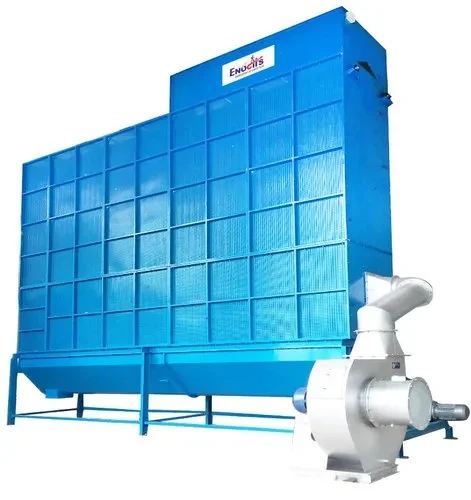
They are integral to the livelihoods of many tribal and rural communities, especially in states like Jharkhand, Chhattisgarh, Odisha, Madhya Pradesh, and parts of Maharashtra. As these seeds are highly perishable and sensitive to moisture, the process of drying becomes essential in preserving their quality, longevity, and market value. This is where Mahua seed dryers come into the picture—and the role of manufacturers specializing in these machines becomes critical.
Understanding the Importance of Mahua Seeds
Mahua seeds are used for extracting oil, which is widely utilized in cooking, soap making, and even for medicinal and cosmetic applications. The remaining seed cake after oil extraction serves as cattle feed or natural fertilizer. However, the high oil content in these seeds makes them vulnerable to fungal infections and rancidity if not dried properly. Traditional sun drying, while still in use, is highly inefficient and unreliable due to weather conditions, pest infestation, and hygiene concerns.
The introduction of mechanical seed dryers, specifically designed for Mahua, has revolutionized post-harvest processing. These machines allow for controlled drying that retains the seeds' oil content, prevents spoilage, and boosts income for local collectors and processors.
The Role of Mahua Seed Dryer Manufacturers
Manufacturers of Mahua seed dryers are responsible not just for producing machinery, but for enabling a more sustainable and scalable supply chain for Mahua-based products. Their work involves a deep understanding of seed biology, climate sensitivity, rural infrastructure, and socio-economic contexts.
These manufacturers typically focus on:
- Customized Design Solutions: Mahua seeds have specific moisture content and thermal tolerance. Seed dryer manufacturers must design machines that can handle low-temperature drying (often around 45–60°C) to preserve the oil quality while ensuring adequate dehydration.
- Energy Efficiency: Since many areas where Mahua is harvested are off-grid or have erratic electricity, manufacturers often integrate alternative energy sources like biomass, solar thermal, or hybrid systems into the dryers. This not only reduces operational costs but also aligns with eco-friendly practices.
- Scalability: From small-scale batch dryers used by individual farmers or cooperatives to large-scale continuous dryers employed by processing units, manufacturers design machines that cater to a wide range of operational needs.
- Ease of Use and Maintenance: Given that many end-users may not be technically trained, seed dryers need to be intuitive to operate, easy to clean, and resilient in rural conditions. Low maintenance and spare parts availability are crucial features in the design process.
- Safety and Compliance: Ensuring the machines meet safety standards, use food-grade materials where necessary, and comply with government norms related to agricultural processing machinery is also a key responsibility.
Types of Mahua Seed Dryers
There are various types of dryers used in the drying of Mahua seeds, each suited to different user needs and processing volumes.
1. Batch Dryers
Batch dryers are ideal for small to medium-scale users. These machines allow for controlled drying in discrete batches. They are relatively simple in construction and operation, making them a good fit for rural settings.
2. Continuous Flow Dryers
These are used by larger processors who handle bulk quantities of Mahua seeds. The seeds are dried as they move through a heated chamber on a conveyor or in layers. This method is efficient for high throughput and is often paired with automated feeding and unloading systems.
3. Solar Dryers
Given the climatic conditions of Mahua-producing regions, solar dryers have emerged as a cost-effective and eco-friendly alternative. While they require a larger space and are somewhat weather-dependent, hybrid models that combine solar and electric/biomass energy provide greater reliability.
4. Tray Dryers and Fluidized Bed Dryers
These are more advanced options often used when uniformity in drying is critical. Though they require more investment and infrastructure, they offer higher precision and better control over drying parameters.
Challenges for Manufacturers
While the market for Mahua seed dryers is growing, manufacturers face several challenges:
- Awareness and Adoption: Many tribal communities still rely on traditional drying methods due to lack of awareness or affordability of machines.
- Logistics and Distribution: Reaching remote areas with machinery, providing installation, training, and after-sales service can be logistically complex.
- Affordability and Financing: High upfront costs can deter buyers, especially in rural economies. Manufacturers often need to work with NGOs, cooperatives, or government schemes to enable financing.
- Standardization Issues: Unlike crops like paddy or wheat, Mahua seed processing lacks widespread standardization, requiring customized solutions for each region or user group.
The Road Ahead
As government initiatives like the Minor Forest Produce (MFP) scheme and tribal empowerment programs gain traction, the demand for efficient post-harvest machinery like Mahua seed dryers is expected to rise. Manufacturers who can innovate, localize, and partner with grassroots organizations will find significant opportunities in this sector.
There is also growing interest in organic and natural products globally. With Mahua-based oils and extracts entering premium health and beauty markets, ensuring consistent quality through proper drying becomes even more critical. Manufacturers that incorporate data monitoring, remote diagnostics, and IoT in their machines can add significant value for both local users and large-scale processors.
Conclusion
Mahua seed dryer manufacturers play an essential role in linking traditional forest economies with modern supply chains. Their machines enable better preservation, quality, and profitability of one of India's most valuable non-timber forest products. As the sector evolves, innovation, inclusivity, and sustainability will define the success of these manufacturers—creating impact not just in business, but in the lives of those who rely on Mahua for their livelihoods.
URL: For more information, visit Enochsgroup : Mahua Seed Dryer Manufacturers