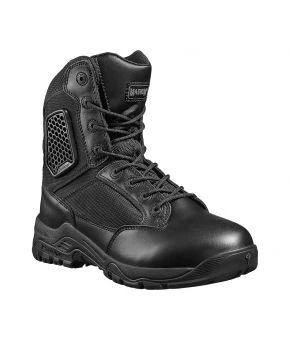
When a call for help comes in, seconds matter — and so does the gear. For emergency services personnel across Australia — firefighters, paramedics, SES crews, search-and-rescue teams, and police tactical units — footwear is more than comfort: it’s protection, performance, and peace of mind. Magnum tactical boots have become a popular option because they’re designed to meet the demanding mix of environments and hazards first responders face.
Why specialised footwear matters for emergency services
Emergency responders work in fast-changing, high-risk conditions: uneven terrain, debris, heat, water, biohazards, and electrical hazards. Ordinary work boots may fail when exposed to these extremes. The right tactical boot protects the foot, reduces fatigue during long shifts, improves traction in slick conditions, and stands up to intensive daily wear. For agencies that rely on consistent performance from their teams, investing in durable, fit-for-purpose boots is a small price for safety and effectiveness.
Key features of Magnum tactical boots
Magnum tactical boots are purpose-built with features that cater directly to the needs of emergency services. Below are the most important attributes and why they matter in the Australian operational context.
1. Robust construction and durable materials
Most Magnum models combine full-grain leather or synthetic leather with abrasion-resistant textile panels and reinforced stitching. That means the boot resists punctures and tears from sharp objects commonly found at incident scenes. Durable soles and strong welt or cemented constructions help the boot retain shape and protective qualities over months of heavy use.
2. Ankle support and stability
Many emergency tasks require climbing, kneeling, lifting, and fast sprints. Magnum’s tactical silhouettes typically extend to the ankle (6–8” height) to deliver lateral support and reduce the risk of sprains — crucial when moving over rubble, gutters, or unstable surfaces.
3. Slip resistance and aggressive tread patterns
Australian conditions vary from wet coastal slips to muddy rural search zones. Tactical boots designed for emergency services use deeper, multi-directional lugs and specialised rubber compounds to improve grip on wet, oily, or loose surfaces. Better traction reduces slips and allows first responders to move with confidence.
4. Water resistance and quick-drying liners
Many models feature water-resistant leathers and treated seams; some include breathable waterproof membranes. In flood response, coastal operations, or rainy seasons, keeping feet dry helps prevent blisters and maintains thermal comfort. Breathable linings also support quicker drying when boots do get wet.
5. Breathability and climate adaptability
Australia’s climate sweeps from tropical humidity to dry desert heat. Boots with moisture-wicking linings and breathable textile panels reduce overheating and sweat build-up during long shifts. This improves comfort and reduces the risk of fungal infections in warmer zones.
6. Toe and midsole protection options
Some Magnum boots offer composite or steel toe caps, and puncture-resistant midsoles. These are vital when working around falling tools, heavy equipment, or sharp debris. Agencies should weigh the extra protection against added weight depending on the role — e.g., light, fast-moving search teams may prioritise agility over maximum toe protection.
7. Electrical hazard and static-dissipative properties
For responders working near live electrical equipment or flammable atmospheres, options with electrical hazard (EH) ratings or static-dissipative soles provide an extra margin of safety. Check product specs for these certifications if your role encounters electrical risk.
8. Lightweight designs for long-duration wear
Marginal gains in weight can compound over 12-hour shifts. Many modern Magnum tactical boots use lighter compounds and streamlined designs to cut weight without sacrificing durability, helping reduce fatigue on extended operations.
Choosing the right Magnum boot for your role
Not all emergency roles require the same boot. Here’s a quick guide to help match features to duties:
- Urban search & rescue / tactical police: Prioritise ankle support, slip-resistant outsoles, and quick break-in times. Consider models with composite toes for protection without steel weight.
- Rural search & rescue / SES: Look for puncture-resistant midsoles, aggressive treads for uneven terrain, and water-resistant uppers for river crossings or wet-weather work.
- Paramedics / ambulance officers: Prioritise lightweight, breathable options with comfortable cushioning for lots of on-the-ground patient care and repeated stair runs.
- Firefighting support (non-structural): Seek heat-tolerant soles and water resistance; structural firefighters will require specialist certified boots specific to fire services.
- Flood and water rescue: Waterproof membranes and quick-drain designs are helpful, as is fast-drying lining material.
Fit and sizing — don’t skip this step
A proper fit is the most critical safety factor. Boots that are too loose cause blisters; boots that are too tight can restrict circulation and reduce balance. Tips for a good fit:
- Try on boots later in the day when your feet are slightly swollen — this mimics conditions during long shifts.
- Wear the socks you’ll use operationally (thicker or technical socks change fit).
- Ensure sufficient toe-room (about a thumb’s width) and that the heel is held snugly to avoid slippage.
- Walk, climb a step, squat — test mobility and check for pressure points.
Break-in, care, and maintenance
New tactical boots need a short break-in to soften uppers and settle the sole. Gradually increase wear time over a week rather than demanding full shifts on day one.
For care:
- Clean mud and debris after use; allow to dry naturally away from direct heat.
- Condition leather uppers occasionally with an appropriate conditioner to maintain waterproofing and flexibility.
- Replace insoles if they compress — fresh insoles improve comfort and extend the life of the boot.
- Inspect soles and stitchwork regularly; timely repairs prevent small issues from becoming failures.
Procurement and budget considerations
When agencies select footwear at scale, balancing cost and lifecycle value matters. A higher-quality boot with a longer service life can be more economical than repeatedly replacing cheaper boots. Look for supplier warranties, available replacement parts (insoles, laces), and whether the model fits into existing uniform standards.
Final thoughts
Magnum tactical boots offer a blend of protection, durability, and comfort that aligns well with the unpredictable demands Australian emergency services face. The right pair reduces risk, improves performance, and helps responders focus on the job — not their feet. When choosing boots, think beyond the label: test for fit, match features to operational needs, and maintain them well. For first responders, footwear is frontline equipment — choose wisely, and it will return the favour every shift.