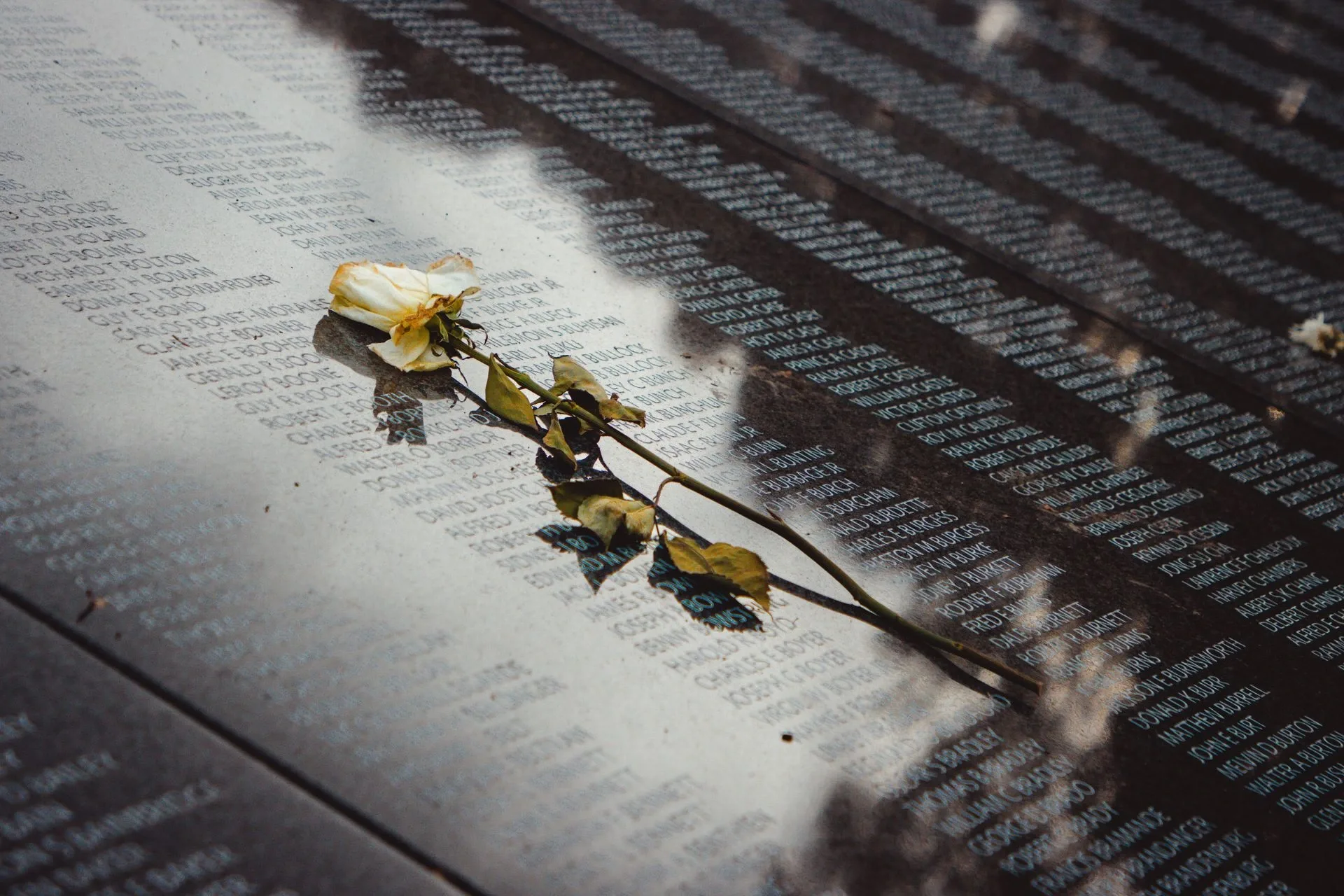
Remembering someone means more than recalling their name or recognizing their photographs. It means appreciating the experiences, relationships, and personal qualities that made their life meaningful. For Lynn Wenger, preserving the memory of his late wife, Wendy, became an important part of sharing their journey with others. Their story reflects the importance of family connections, personal history, and the memories that continue to influence people long after circumstances have changed.
A Life Filled With Shared Experiences
Every person has a unique story shaped by relationships, experiences, and important moments. These stories become especially meaningful within families, where memories are passed between generations.
Wendy and Lynn built their life together after meeting at a party when Lynn was 29. They married a year later and developed a family life that included children and grandchildren. Like many couples, they experienced the everyday responsibilities and special occasions that gradually became part of their shared history.
Family memories are not always connected to major milestones. Sometimes, the most meaningful recollections involve ordinary activities, familiar conversations, celebrations, and time spent with loved ones.
These experiences help define a person's place within a family. They also create connections between generations, allowing children and grandchildren to understand the people and experiences that shaped their family history.
Wendy's story represents the importance of recognizing a person's entire life rather than allowing one difficult chapter to become the only story people remember.
When Alzheimer's Changed Their Family Journey
In 2019, Wendy received an early-onset Alzheimer's diagnosis at the age of 59. This news introduced significant changes into the couple's daily lives.
Alzheimer's disease is a progressive neurological condition that affects memory, thinking, and other cognitive abilities. Its effects can influence communication, independence, and familiar routines.
For families, understanding these changes can require patience and adjustments. A spouse may gradually take on additional responsibilities while learning how to support a loved one whose needs are changing.
Lynn became Wendy's primary caregiver and experienced these responsibilities over six years. Their familiar routines required adjustments, and everyday situations sometimes called for new approaches.
However, Wendy's identity extended far beyond her diagnosis. She was a wife, mother, grandmother, and an important part of her family's history.
Remembering these different aspects of her life is essential because a medical condition does not represent everything a person has experienced or contributed to others.
The Importance of Preserving Family Memories
Family memories can become valuable records of personal history. Photographs, letters, journals, and stories help preserve experiences that future generations may otherwise know only through brief conversations.
Creating a family memory collection does not require complicated arrangements. Families can begin with simple activities such as organizing photographs, writing down important dates, recording personal stories, or collecting meaningful letters.
These records can help relatives understand how family traditions developed and why particular experiences remain important.
For families affected by dementia, preserving memories can also provide opportunities to celebrate a loved one's interests, achievements, and relationships.
Some useful ways to preserve family history include:
- Organizing photographs: Add dates, names, and short descriptions to help future generations understand each picture.
- Writing personal stories: Record important experiences, family traditions, and memorable occasions.
- Collecting family letters: Preserve meaningful written messages that reflect relationships and personal experiences.
- Creating a family timeline: Document important milestones, celebrations, and shared experiences.
- Sharing stories with younger generations: Encourage children and grandchildren to learn about their family's history.
These simple practices can turn scattered memories into a meaningful collection that families can revisit over time.
A Husband's Perspective on Caregiving
Caregiving can change the responsibilities within a marriage. A partner who once shared everyday activities may gradually need to provide additional assistance and support.
For Lynn, this experience was connected to something he had witnessed earlier in life. When he was 38, his mother suffered a massive stroke, and his father cared for her at home for 16 years.
Watching his father's dedication gave Lynn an understanding of the responsibilities that can accompany marriage. Years later, when Wendy received her diagnosis, that example became relevant to his own circumstances.
His experience highlights the importance of recognizing caregivers as individuals with their own emotional and practical needs.
Families can help caregivers by sharing responsibilities, offering companionship, and providing opportunities to take breaks. Professional guidance and community support may also help families manage changing care requirements.
Remembering Wendy's journey therefore also means recognizing the commitment involved in supporting someone through a progressive illness.
Sharing Wendy's Story Through a Memoir
Personal writing offers a way to preserve experiences and communicate them to people outside the immediate family. A memoir can document important events while allowing readers to understand the emotions and decisions connected to a particular journey.
Lynn chose to share his experiences through his book.
A Husband's Memoir: A Journey Through Alzheimer's
The memoir documents Lynn's six-year experience as Wendy's husband and primary caregiver. It explores their relationship, the challenges associated with Alzheimer's, and the personal commitment involved in supporting a loved one.
The book also explains why Lynn wanted to share Wendy's story. By recording his experiences, he created an account that could offer understanding and companionship to families facing similar circumstances.
His writing brings attention to the personal side of caregiving. It reminds readers that behind every diagnosis is an individual with a history, relationships, preferences, and experiences that deserve recognition.
The memoir serves as a way to honor Wendy while preserving an important part of their shared life.
Why Personal Stories Matter to Other Families
Reading about another family's experience can help people recognize that they are not alone when facing unfamiliar challenges.
Families affected by dementia often need information about caregiving, communication, support systems, and changing responsibilities. Personal stories can complement professional information by illustrating how these challenges may affect everyday family life.
However, every person's experience with Alzheimer's is different. A strategy that works for one family may not be appropriate for another.
This is why personal accounts should be approached as individual experiences rather than universal instructions.
Lynn's memoir provides one perspective on the responsibilities of a spouse and caregiver. Readers can reflect on his experiences while seeking appropriate professional guidance for their own family circumstances.
The wider value of sharing such stories lies in encouraging understanding, thoughtful conversations, and greater awareness of the needs of caregivers and families.
Wendy's Lasting Place in Family History
Wendy passed away on January 6, 2024. Although her life ended, her influence continues through the relationships she developed and the memories preserved by her family.
A person's legacy can be found in many places. It may exist in family traditions, photographs, personal stories, shared values, and the memories that relatives continue to discuss.
Preserving these experiences helps future generations understand that a person's life should be remembered through its many chapters.
Wendy's story includes much more than her experience with Alzheimer's. It includes her marriage, family relationships, and the years of experiences she shared with those closest to her.
Through his memoir and the memories presented on his website, Lynn has created an opportunity for readers to learn about Wendy as a person and appreciate the importance of preserving family history.
Conclusion
Remembering Wendy means recognizing the life she shared with her family, the relationships she built, and the experiences that continue to hold meaning for those who knew her.
Lynn Wenger's decision to document their journey through a personal memoir demonstrates how writing can preserve important memories and create opportunities for others to understand the realities of Alzheimer's caregiving.
Their story encourages families to appreciate everyday experiences, record meaningful moments, and recognize the individual behind a medical diagnosis.
Memories become part of a family's lasting history when people continue to share them. Through personal stories, photographs, and written accounts, the influence of a loved one can remain an important part of future generations.