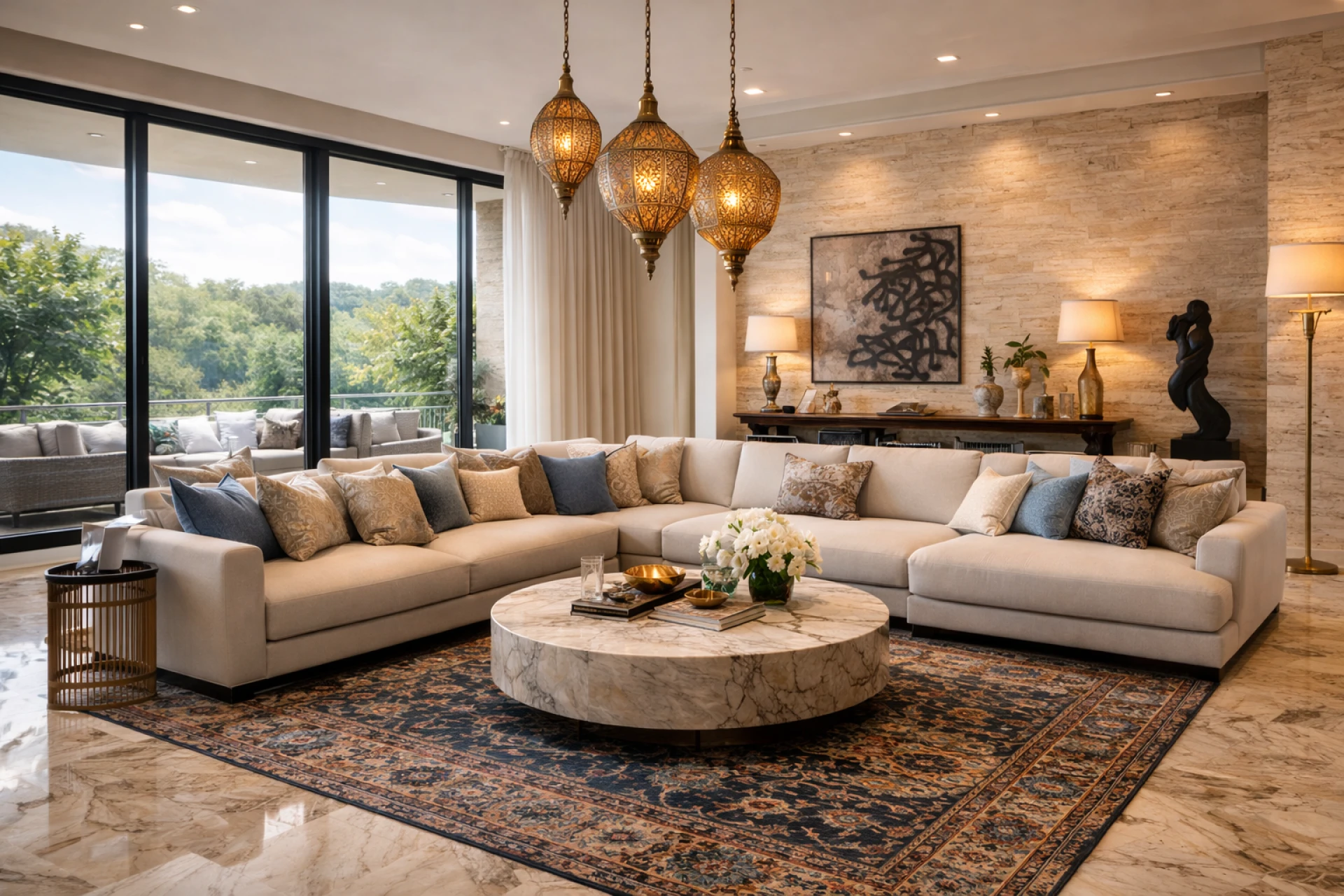
The American home has undergone a quiet but powerful transformation over the past decade. Once defined primarily by formality and visual appeal, today’s high-end residences must serve as workplaces, wellness retreats, entertainment hubs, and personal sanctuaries—all at once. As lifestyles evolve, so do expectations.
In response, Luxury Interior Design Services across the United States are rethinking how homes function, feel, and flow. From New York penthouses to sprawling estates in Texas and coastal properties in California, modern luxury interiors are increasingly designed around flexibility, technology, sustainability, and well-being.
The Rise of Multi-Functional Living
One of the most significant changes in American homes is the need for multi-purpose spaces. The shift toward remote and hybrid work models has permanently altered how rooms are used. Dining rooms double as meeting areas. Guest bedrooms transform into home offices. Basements become media rooms or fitness studios.
In luxury home interior design, adaptability is no longer optional—it is foundational. Designers now prioritize modular furniture, sliding partitions, and built-in storage solutions that allow spaces to shift throughout the day.
Residential interior designers are increasingly asked to create rooms that can evolve over time. A nursery may later become a study. A formal sitting room might transition into a library or digital studio. Flexibility ensures longevity, aligning high-end aesthetics with practical living.
Technology as a Design Essential
Modern lifestyle demands seamless integration of technology. Smart home systems—once considered futuristic—are now standard expectations in upscale American residences.
Today’s Luxury Interior Design Services incorporate discreet charging stations, concealed wiring, automated lighting, climate control systems, and advanced home security features into the architectural framework itself. The goal is subtlety: technology should enhance comfort without dominating the visual narrative.
In cities like San Francisco and Seattle, where innovation culture is strong, homeowners expect homes to operate efficiently and intelligently. An experienced International Interior Designer often brings global insights into tech integration, drawing inspiration from European smart systems or Asian space-saving innovations.
Technology is no longer an add-on. It is a design layer woven into the structure of contemporary luxury living.
Wellness-Centered Interiors
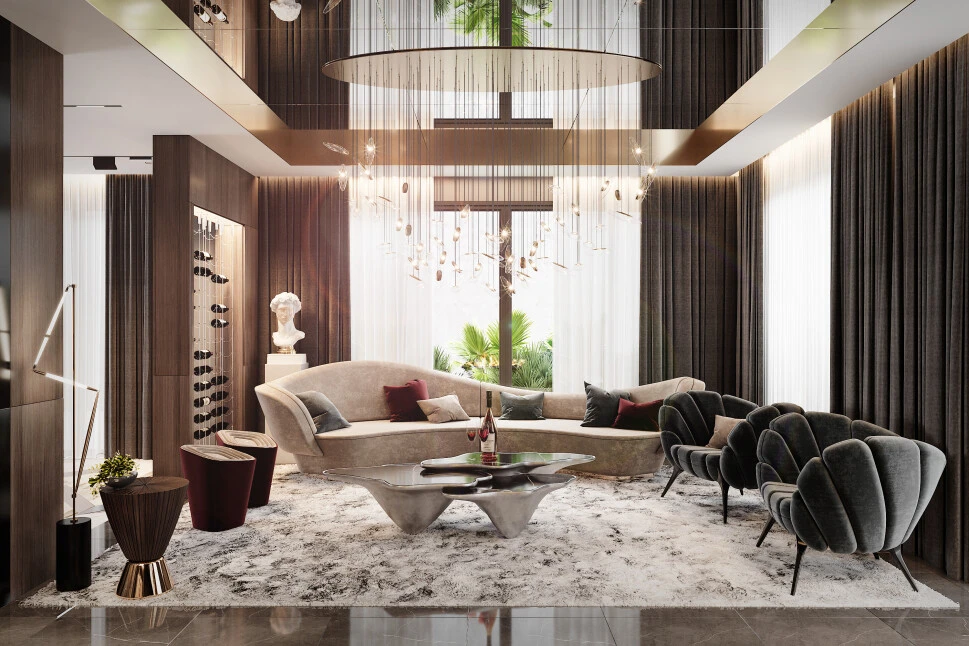
Wellness has become central to American lifestyle priorities. High-income homeowners increasingly view their homes as personal retreats from fast-paced professional environments.
As a result, Luxury Interior Design Services are incorporating wellness features such as:
- Spa-inspired bathrooms with natural stone and steam showers
- Meditation rooms or quiet reflection spaces
- Home gyms with optimized ventilation and natural lighting
- Biophilic design elements that connect interiors to nature
In states like Colorado and Oregon, designers frequently emphasize natural materials and expansive windows to strengthen indoor-outdoor connections. Luxury home interior design now integrates air purification systems, non-toxic finishes, and acoustical treatments to improve both physical and mental well-being.
This wellness-focused approach reflects a broader cultural shift: luxury is measured not just by appearance, but by how a space supports daily life.
Personalization Over Formality
Traditional American luxury often emphasized grandeur—ornate chandeliers, heavy drapery, symmetrical layouts. While elegance remains important, personalization now takes precedence over rigid design conventions.
Homeowners want interiors that reflect their identities, travels, and values. This demand has led to curated art collections, bespoke furniture pieces, and custom architectural details.
Many top female interior designers in the U.S. have been at the forefront of this personalization movement, emphasizing narrative-driven design. Rather than imposing a signature aesthetic, they collaborate closely with clients to shape interiors around individual lifestyles.
The Best Luxury Interior Designers increasingly focus on storytelling—crafting homes that feel deeply personal rather than generically opulent.
Sustainability as a Standard Expectation
Modern American lifestyles are closely tied to environmental awareness. Affluent homeowners are not only investing in sustainable materials but also expecting designers to prioritize ethical sourcing and energy efficiency.
Luxury interiors now frequently include:
- Reclaimed or responsibly harvested wood
- Energy-efficient appliances and lighting
- Locally sourced materials to reduce carbon footprint
- Durable finishes designed for long-term use
Residential interior designers often work alongside architects and environmental consultants to ensure compliance with regional sustainability guidelines, particularly in states with progressive building codes like California and Massachusetts.
Sustainability has moved beyond trend status. It has become an integral part of responsible Luxury Interior Design Services.
Designing for Social Connection
Despite the rise of digital interaction, American homeowners still value in-person gatherings. Modern luxury homes must support entertaining—both intimate dinners and large-scale events.
Open-concept layouts remain popular, but they are evolving. Designers now create subtle zoning within open spaces using lighting, texture, and ceiling treatments to define functional areas without sacrificing flow.
In Miami and Los Angeles, indoor-outdoor integration is especially important. Expansive sliding doors, outdoor kitchens, and covered terraces blur the line between interior and exterior spaces.
An International Interior Designer may bring Mediterranean or Australian influences into these transitional areas, adapting them to the American climate. The goal is fluidity: spaces that encourage connection without feeling overcrowded.
Privacy and Security Considerations
With increased public visibility through social media and digital platforms, privacy has become a modern luxury in itself. High-end clients often request discreet layouts, soundproof rooms, and controlled access points.
Luxury Interior Design Services now incorporate layered security planning—from architectural orientation to advanced surveillance integration—while maintaining aesthetic harmony.
This balance between openness and privacy reflects contemporary lifestyle realities. Homes must feel welcoming yet protected.
Regional Influences Across the United States
Lifestyle-driven design varies by geography:
- New York City: Compact layouts optimized for efficiency and storage.
- Texas: Expansive properties requiring cohesive flow across large footprints.
- California: Emphasis on sustainable materials and natural light.
- Florida: Durable finishes resistant to humidity and storms.
The adaptability of Luxury Interior Design Services ensures that regional lifestyle demands are thoughtfully addressed. Designers must understand climate, culture, and architectural history to create interiors that feel authentic.
The Future of Lifestyle-Driven Luxury
As American lifestyles continue to evolve, so too will design priorities. Hybrid work is likely here to stay. Wellness will remain central. Sustainability standards will grow stricter. Technology will become more integrated and intuitive.
The Best Luxury Interior Designers are those who anticipate change rather than react to it. They recognize that luxury is not static—it shifts alongside cultural and social movements.
Ultimately, modern luxury is defined less by extravagance and more by alignment. A well-designed home supports how its occupants live, work, recharge, and connect.
Luxury Interior Design Services that successfully adapt to modern lifestyle demands do so by balancing aesthetics with intelligence, comfort with innovation, and personalization with responsibility.
FAQs
1. How are luxury interiors adapting to remote work trends in the U.S.?
Designers are creating flexible home offices, multi-functional rooms, and soundproof areas that support productivity without sacrificing style.
2. Is sustainability now expected in luxury home design?
Yes. Many high-end homeowners prioritize eco-friendly materials, energy efficiency, and ethical sourcing as essential components of modern luxury.
3. What role does technology play in contemporary luxury interiors?
Smart home systems, automated lighting, climate control, and security integration are now seamlessly incorporated into design plans to enhance daily living.