I still remember a late autumn evening in Chicago when I checked into a boutique hotel just off Michigan Avenue. The lobby was warm, softly lit, and scented with something faintly woody and comforting. After a long day of travel and back-to-back meetings, all I wanted was a hot shower and a good night’s sleep. When I entered the room, the first thing that caught my eye was the bed.
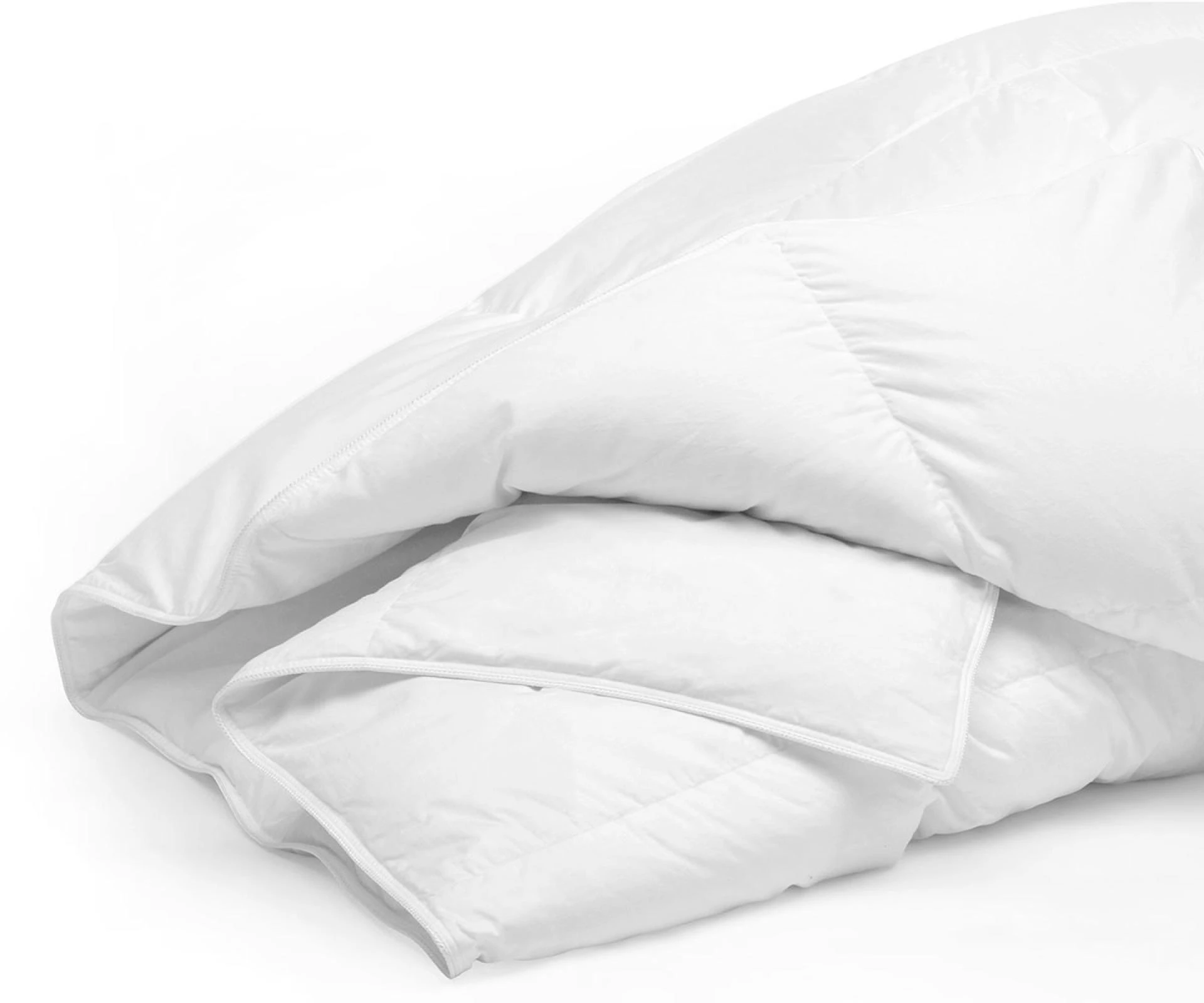
It wasn’t just neatly made it felt intentional. The luxury duvet covers had a subtle sheen, crisp white with a tailored border that framed the mattress perfectly. The fabric looked smooth, inviting, almost cloudlike. I ran my hand across it and noticed the texture: soft but structured, the kind of quality that holds up to frequent washing without losing its elegance.
That night, I slept exceptionally well. But what stayed with me wasn’t just the comfort it was the realization of how small in-room details quietly shape the entire guest experience.
The Power of First Impressions
A few months later, I was speaking with a hotel operations manager in Dallas about guest satisfaction scores. We were reviewing online feedback trends, and something interesting came up. Guests rarely wrote long paragraphs about thread count or fill power. Instead, they used words like “comfortable,” “fresh,” “luxurious,” and “worth it.” The manager leaned back and said, “When guests walk into a room, the bed is the stage. If it looks inviting, you’ve already won half the battle.”
That visual impact often begins with well-chosen luxury duvet covers. Clean lines, rich colors like navy blue, silver gray, or classic white and quality stitching instantly elevate the room’s atmosphere. They signal care. They suggest standards. But here’s the part many overlook: comfort is a system, not a single item.
When One Small Detail Breaks the Experience
During that same Chicago stay, my experience wasn’t flawless.
The next morning, after a relaxing shower, I reached for the hair dryer mounted in the bathroom. It sputtered to life, overheated within seconds, and shut off. I tried again. Same result. What had been a serene, five-star-feeling stay was suddenly interrupted by frustration. It may seem minor but in hospitality, minor moments matter. I mentioned it at checkout. The front desk staff apologized sincerely, and I could tell they cared. Still, that single malfunction nudged the overall experience from “exceptional” to “very good” in my mind.
That’s when it struck me: luxury duvet covers may create the emotional connection, but reliable hotel electronics sustain it.
Bedding Sets the Tone. Function Builds Trust.
Back in Texas, the operations manager shared how they had recently reassessed their vendor partnerships. While upgrading their bedding to higher-quality duvet inserts and luxury duvet covers, they also reviewed their in-room electronics—hair dryers, irons, alarm clocks, and coffee machines. “We realized,” she said, “that guests don’t separate comfort from function. It’s all one experience.”
She explained how they started sourcing more reliable hotel supplies from established hospitality suppliers rather than general retail vendors. They needed products designed specifically for high-occupancy environments—items that could withstand daily use without constant replacement. That’s where trusted suppliers in the hospitality supply space come in.
Companies like AGH Supply, known among hoteliers and motel suppliers for dependable guestroom essentials, understand that hotels need durability as much as design. Whether it’s bedding or electronics, the focus is on performance under pressure.
Not glamorous. But essential.
The Operational Side of Luxury
There’s also a practical reality behind every elegant room. Luxury duvet covers must endure industrial laundering. Colors like maroon, charcoal, or navy need to retain their richness after dozens of wash cycles. Stitching can’t unravel. Fabric can’t pill. And housekeeping teams need bedding that’s easy to remove, wash, and reinstall efficiently.
Similarly, hotel-grade hair dryers are built with safety shut-off systems, wall mounts for theft prevention, and stronger motors designed for repeated daily use.
When both aesthetics and functionality align, operations run smoothly. Maintenance requests drop. Housekeeping workflows improve. Guest complaints decrease. It’s not just about looking upscale—it’s about delivering consistency.
The Silent Language of Quality
Over the years, I’ve come to believe that hospitality speaks in quiet signals. A perfectly fitted luxury duvet cover tells guests they’re cared for. A powerful, reliable hair dryer tells them their time matters. A smoothly functioning coffee maker signals attention to detail. None of these items alone define a stay. But together, they form an invisible promise: We’ve thought about your comfort. Guests might not consciously analyze these details. Yet they feel them. And when they leave positive reviews, it often reflects that emotional impression. Words like “thoughtful,” “comfortable,” and “well-maintained” appear again and again.
If there’s one takeaway from my travels and conversations with industry professionals, it’s this:
Luxury isn’t a single product—it’s consistency across every touchpoint.
Invest in beautiful, durable luxury duvet covers that instantly elevate the visual appeal of your rooms. Pair them with dependable, hotel-grade electronics that won’t fail at inconvenient moments. Work with hospitality suppliers who understand operational realities, not just aesthetics. Because at the end of the day, guests remember how a room made them feel. And that feeling is built from both softness under their fingertips and reliability in their hands.
In hospitality, comfort begins with the bed—but trust is earned through every small detail that works exactly as it should.