Think of the last time a “simple” job turned into a three-trade headache. A gasfitter shows up to swap an appliance and finds a dead control board. An HVAC tech can’t tell whether the thermostat wiring or the unit is the problem. A plumber stares at a smart water heater that wants a Wi-Fi password. Trades used to stay in their own lanes. Now the lanes overlap, and the workers who can cross them are getting the best jobs.
Why Electrical Skills Keep Climbing the Priority List
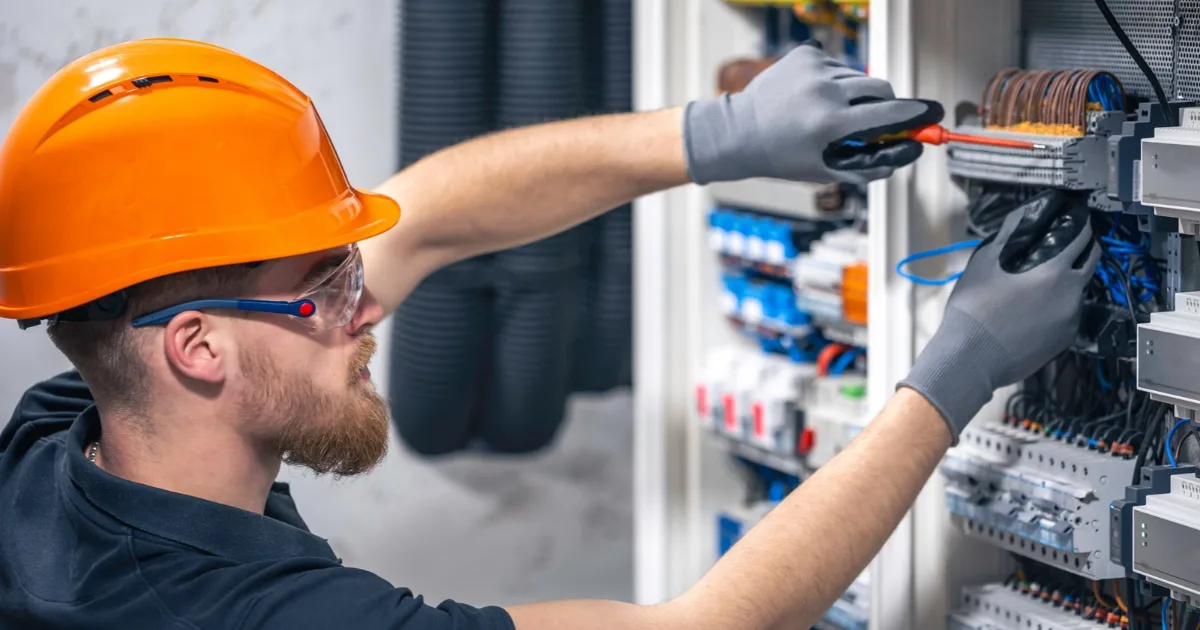
Modern buildings run on electronics. Smart thermostats, electronic ignition systems, EV chargers, solar setups, and sensor-driven controls all live on low voltage circuits. Even a basic furnace now depends on control wiring to do its job.
The labor numbers back this up. The U.S. Bureau of Labor Statistics projects electrician employment to grow 9 percent from 2024 to 2034, much faster than the average for all occupations, which adds up to 77,400 more jobs. The median annual wage for electricians hit $62,350 in May 2024. Demand like that creates a ripple effect. Employers need people who can work on electrical systems, and they can’t hire enough full-scale electricians to cover every call.
What “Low Voltage” Actually Covers
Low voltage work usually means circuits under 50 volts, though definitions vary by region. That includes thermostat wiring, doorbells, alarm systems, data cabling, lighting controls, and the control circuits inside gas and HVAC equipment.
Don’t mistake “low” for “low risk.” These systems still cause equipment damage, false readings, and misdiagnosed faults. Plenty of callbacks happen because someone guessed at a wiring problem instead of testing it.
Why Low Voltage Electrical Training Pays Off
Solid low voltage electrical training gives tradespeople a few clear advantages:
- Faster diagnostics. You read a wiring diagram and find the fault instead of swapping parts until something works.
- Fewer callbacks. Correct fixes mean fewer return trips, and your reputation benefits.
- More billable work. Controls, smart devices, and upgrades become jobs you can take on yourself.
- Better safety habits. You learn proper testing, isolation, and grounding practices.
A technician who handles both the gas side and the control side of a job also saves the customer a second visit from another contractor. Customers love that, and they tend to remember who made their life easier.
What About Gasfitters?
Gasfitters feel this shift more than most. Today’s appliances rely on circuit boards, flame sensors, and electronic gas valves, so troubleshooting one without electrical knowledge is a real handicap. Regulations and standards also change over time, and codes evolve whether anyone’s ready or not.

That’s where refresher courses for gasfitters earn their keep. A good refresher updates your code knowledge, sharpens safety procedures, and covers the electrical components found in modern gas equipment. It also helps with license renewals in many jurisdictions. Because these courses are often short, they fit around a working schedule without a long stretch away from the job.
How to Pick the Right Training
Not every course is worth your time or money. Before you sign up, check these points:
- Accreditation. Confirm the provider is recognized by your local licensing authority.
- Hands-on practice. Reading about circuits only goes so far. Look for real equipment and real testing.
- Current content. Make sure the material reflects today’s codes and today’s appliances.
- Flexible delivery. Evening, weekend, or hybrid options help when you’re juggling work and life.
- Clear next steps. Good programs explain how the training connects to licensing or advancement.
So, Is It the Fastest-Growing Skill?
Maybe, maybe not. Every trade has its own hot skill of the moment. But electrical know-how shows up in almost all of them, and the pace of smart, electrified equipment isn’t slowing down. Tradespeople who add these skills now will likely find more doors open later.