
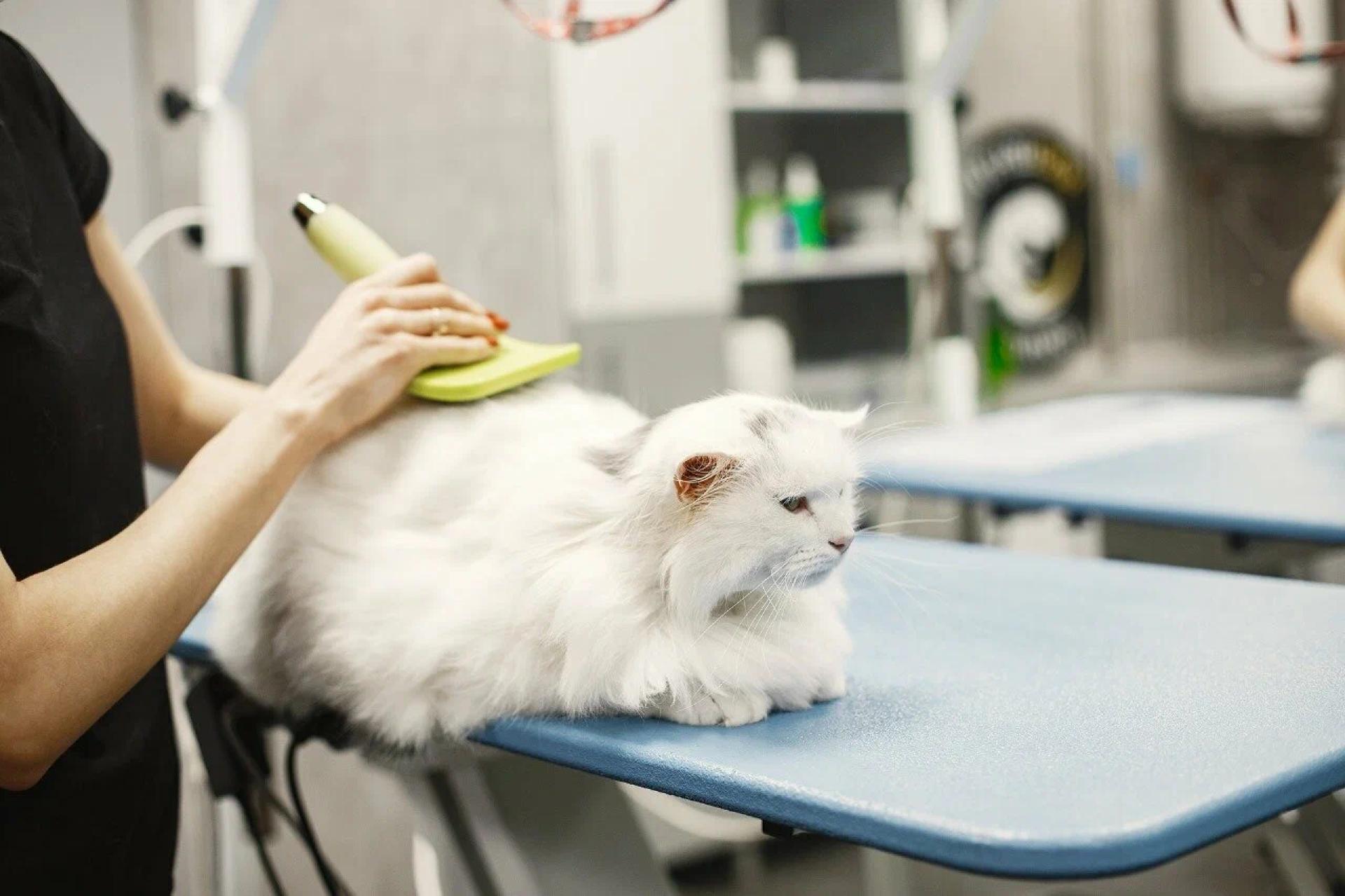
Long-haired cats are beautiful. Their silky coats shine in the light, making them look like royalty. But that beauty comes with work. Long haired cat grooming is more than brushing—it’s a routine that keeps your cat healthy, clean, and happy.
If you’ve ever dealt with tangles, mats, or endless shedding, this guide is for you. Let’s make grooming easier for you and your cat.
Why Grooming Long Haired Cats Matters
Cats with long coats can’t always manage grooming on their own. Their fur tangles easily and can trap dirt, oils, and even bugs. Without regular grooming, mats form close to the skin and cause pain.
Grooming keeps your cat’s coat shiny and soft, but it also prevents:
- Hairballs from excessive licking
- Skin infections from trapped dirt
- Matting and knots that pull the skin
- Shedding that covers your furniture
Healthy grooming also strengthens your bond. Many cats enjoy being brushed once they trust the routine.
How Often Should You Groom a Long Haired Cat?
The key to long haired cat grooming is consistency. Brush your cat at least 3–4 times per week. Some breeds, like Persians or Ragdolls, need daily care.
Make grooming time calm and positive. Choose a quiet place, speak softly, and reward your cat with treats. Cats learn quickly when grooming feels safe and rewarding.
Best Tools for Long Haired Cat Grooming
The right tools make all the difference. You don’t need expensive gear—just the right ones for your cat’s coat type.
Must-have tools:
- Wide-tooth comb: Removes tangles and loose fur.
- Slicker brush: Helps prevent mats before they form.
- Dematting tool: For safely cutting through knots.
- Soft bristle brush: Smooths the coat and adds shine.
- Pet-safe detangling spray: Makes brushing easier and reduces static.
Tip: Always brush in the direction of the fur, not against it. Gentle strokes keep your cat relaxed and prevent skin irritation.
Step-by-Step Guide to Grooming Your Cat
Follow this simple routine to make grooming smooth for both you and your cat.
Step 1: Get Your Cat Comfortable
Start with short sessions. Let your cat sniff the brush and tools. Speak gently to build trust.
Step 2: Check for Mats and Tangles
Run your fingers through the fur before brushing. If you find mats, don’t pull. Use a dematting tool or your fingers to separate them slowly.
Step 3: Brush Gently and Slowly
Use a wide-tooth comb first, then switch to a slicker brush. Brush the back, sides, belly, and tail. Be careful around the stomach and underarms—these areas tangle fast.
Step 4: Wipe or Bathe if Needed
Long-haired cats don’t need frequent baths, but occasional cleaning helps. Use cat-safe wipes or shampoo only when the coat feels oily or dirty.
Step 5: Reward Your Cat
End every session with a small treat or playtime. Your cat will start to associate grooming with something positive.
Handling Mats and Knots the Safe Way
Mats can form quickly on long coats, especially behind the ears, under the legs, or around the tail. Never cut mats with scissors—it’s too easy to nick the skin.
Instead:
- Use a dematting comb or slicker brush
- Work through tangles gently with your fingers
- Apply a pet-safe detangling spray if needed
- Groom regularly to prevent future mats
If the mat is large or too close to the skin, visit a professional groomer or vet.
Bathing Tips for Long Haired Cats
Some cats don’t mind baths—others hate them. Either way, a gentle approach helps.
Tips for safe cat baths:
- Use warm (not hot) water
- Pick a calm time when your cat isn’t stressed
- Apply cat-specific shampoo only
- Rinse thoroughly to remove all soap
- Towel dry gently and keep your cat warm
For cats who dislike water, try dry shampoos or grooming wipes instead.
Controlling Shedding in Long Haired Cats
Long-haired cats shed year-round, but especially in spring and fall. Regular grooming helps keep shedding under control.
To reduce shedding:
- Brush daily during shedding seasons
- Feed high-quality food rich in omega-3s
- Keep your home humidity balanced
- Use a lint roller or pet vacuum for cleanup
A healthy diet makes the coat shiny and reduces loose fur. Ask your vet about supplements if shedding becomes excessive.
When to Visit a Professional Groomer
Even if you groom often, a professional touch can make a big difference. Visit a groomer if:
- Your cat has large mats
- You notice skin irritation or dandruff
- The coat looks dull or oily
- Your cat resists home grooming
Professional grooming includes a full brush-out, sanitary trim, and coat conditioning—keeping your cat’s fur soft and healthy.
Final Thoughts from Focus Pet Care
Long haired cat grooming doesn’t have to be stressful. With the right tools, routine, and gentle care, your cat will look and feel amazing. Regular grooming keeps their skin healthy, coat shiny, and mood happy.
At Focus Pet Care, we believe that grooming is love in action. Each brush stroke builds trust and strengthens your bond with your furry friend. Start small, stay consistent, and enjoy every moment with your long-haired beauty.