Lodgepole pine pollen is a naturally occurring botanical ingredient collected from the male cones of lodgepole pine trees. Known scientifically as Pinus contorta, the lodgepole pine is an evergreen conifer native to western North America, particularly Canada and the western United States. These trees grow across diverse environments, including mountainous regions, boreal forests, and coastal landscapes.
Pine pollen has attracted growing interest among people exploring plant-based ingredients and naturally sourced wellness products. Its appeal comes from its botanical origin, naturally occurring nutritional compounds, and versatility in different supplement formats. Lodgepole pine pollen is particularly interesting because of the natural environments in which its source trees grow and the seasonal process through which pollen is collected.
Understanding its characteristics, harvesting methods, nutritional composition, and available product forms can help consumers make more informed decisions when exploring this botanical ingredient.
1. What Is Lodgepole Pine Pollen?
Lodgepole pine pollen is the fine, yellowish powder released by the male reproductive structures of lodgepole pine trees during their pollination season. Like other conifer pollens, it plays an essential role in the natural reproduction of pine trees.
Lodgepole pine trees are recognizable by their tall, slender trunks, narrow crowns, and distinctive needles, which typically grow in pairs. They are adaptable trees that thrive in various environments, from dry mountain slopes to moist forest ecosystems.
During the reproductive season, male cones develop and release microscopic pollen grains into the surrounding environment. Wind carries these grains toward female cones, allowing pollination to take place.
The collected pollen can be processed into different botanical products, including powders, extracts, and tinctures. Its natural plant origin and traditional association with pine-based botanical preparations have contributed to its popularity among consumers interested in natural ingredients.
2. Natural Growing Environments of Lodgepole Pine
One of the defining characteristics of lodgepole pine pollen is its connection to naturally growing forest ecosystems.
Lodgepole pine trees are widely distributed throughout western Canada, including British Columbia and parts of Alberta. They are also found in mountainous and forested regions of the United States.
These trees demonstrate remarkable adaptability and can grow in different soil conditions and elevations. They are particularly common in areas influenced by natural forest cycles, including landscapes shaped by periodic wildfires.
Their ability to establish themselves in changing environments makes lodgepole pine an important component of several forest ecosystems.
The natural growing conditions of these trees contribute to the botanical identity of their pollen. Factors such as climate, soil conditions, seasonal temperatures, and local environmental characteristics can influence tree development and pollen production.
For consumers interested in naturally sourced ingredients, understanding where a botanical ingredient originates is an important part of evaluating its quality and sourcing practices.
3. Nutritional Composition of Pine Pollen
Pine pollen is recognized for containing a variety of naturally occurring plant compounds and nutrients. Its composition can vary depending on the pine species, growing environment, collection conditions, and processing methods.
Some nutritional components commonly associated with pine pollen include:
Amino Acids: Pine pollen contains amino acids, which are important building blocks of proteins. Their presence contributes to its nutritional profile.
Vitamins: Various pine pollen samples contain naturally occurring vitamins and related compounds. The exact composition depends on the source and testing methods.
Minerals: Pine pollen may contain minerals such as potassium, calcium, magnesium, and zinc, although quantities can vary between products.
Antioxidant Compounds: Certain plant compounds found in pine pollen demonstrate antioxidant activity in laboratory research. These compounds are of interest because of their role in protecting cells from oxidative processes.
Other Plant Compounds: Pine pollen contains additional naturally occurring botanical substances that contribute to its overall chemical composition.
It is important to understand that nutritional content is not identical across all pine pollen products. Consumers should review product labels and independent laboratory testing rather than assuming that every product offers the same nutritional value.
4. Understanding the Lodgepole Pine Pollen Harvesting Process
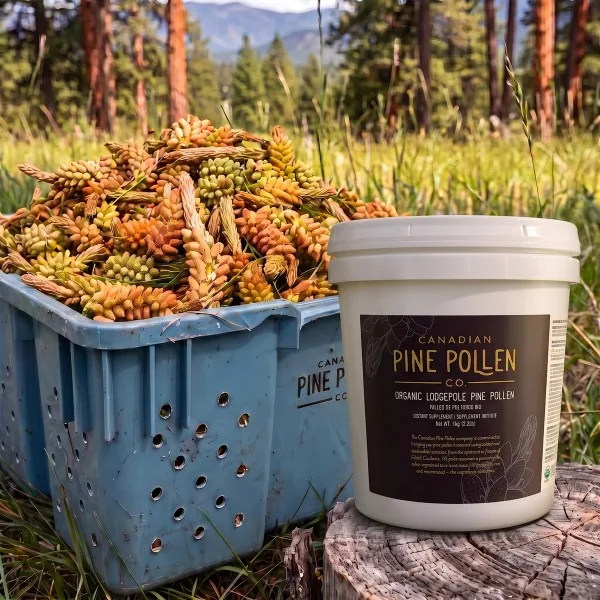
Pine pollen collection is a seasonal activity that depends on the reproductive cycle of pine trees. Lodgepole pine pollen is generally collected when mature male cones release their pollen during the pollination period.
The process requires attention to timing because pollen is available for a relatively limited period.
A typical collection process involves several stages:
Seasonal Monitoring: Harvesters monitor lodgepole pine trees to identify when male cones are approaching maturity.
Careful Collection: Mature pollen-bearing cones or naturally released pollen are collected using appropriate harvesting methods.
Separation and Cleaning: Collected material is processed to separate pollen from unwanted plant debris and other foreign materials.
Drying and Processing: Depending on the intended product, pollen may undergo controlled drying and additional processing to support product stability.
Quality Assessment: Responsible producers should evaluate product identity, purity, moisture levels, and potential contaminants before packaging.
Proper handling is important because environmental exposure, moisture, and unsuitable storage conditions can affect the quality of botanical ingredients.
5. Wild-Harvested Lodgepole Pine Pollen and Responsible Sourcing
Wild-harvested lodgepole pine pollen appeals to consumers who prefer botanical ingredients collected from naturally growing trees rather than cultivated sources.
However, wild harvesting should be approached responsibly. Sustainable collection practices are important for protecting forest environments and maintaining the natural reproductive cycles of trees.
Responsible sourcing may involve collecting pollen during appropriate seasonal windows, avoiding unnecessary damage to trees, and following applicable environmental regulations.
Producers should also consider the broader forest ecosystem. Pine trees provide habitats and resources for wildlife, while their reproductive cycles contribute to forest regeneration and biodiversity.
Transparent sourcing information can help consumers understand where their products originate and how they are collected.
When evaluating lodgepole pine pollen products, look for information about:
- Botanical species identification.
- Country and region of origin.
- Wild-harvesting or cultivation methods.
- Processing and handling procedures.
- Quality-control standards.
- Independent laboratory testing.
Choosing products from transparent suppliers encourages greater accountability throughout the botanical ingredient industry.
6. Different Forms of Lodgepole Pine Pollen Products
Lodgepole pine pollen may be available in several product formats. Each format offers different characteristics depending on processing methods and intended use.
Pine Pollen Powder
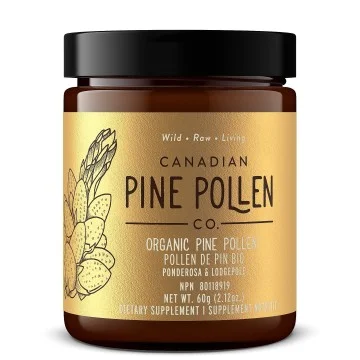
Powder is one of the simplest product formats. It contains processed pollen in a dry, finely ground form and can be incorporated into suitable foods or beverages according to product instructions.
Pine Pollen Extract
Pine pollen extracts are produced through additional processing intended to concentrate or extract selected botanical compounds. Their composition depends on the extraction method and manufacturing standards.
Pine Pollen Tincture
Tinctures are liquid preparations commonly made using an extraction process involving a suitable solvent. They are often packaged in dropper bottles and provide an alternative to powdered products.
Capsules and Tablets
Some manufacturers offer pine pollen in capsule or tablet form. These products provide a convenient way to consume a measured amount without handling loose powder.
Regardless of the format, consumers should follow the manufacturer's serving directions and review the complete ingredient list.
7. How to Choose Quality Lodgepole Pine Pollen
Selecting a quality pine pollen product requires more than looking at attractive packaging or promotional claims.
A reliable supplier should provide clear information about the botanical source, harvesting practices, manufacturing process, and quality standards.
Here are several factors worth considering:
1. Verify Botanical Identity
Look for products that clearly identify their source as lodgepole pine, scientifically known as Pinus contorta. This helps distinguish them from pollen collected from other pine species.
2. Review Sourcing Information
Check whether the manufacturer explains where the pollen comes from and whether it is wild-harvested or cultivated.
3. Look for Quality Testing
Independent laboratory testing can help assess product identity, purity, and potential contamination from heavy metals, microorganisms, or other unwanted substances.
4. Examine Processing Standards
Proper harvesting, cleaning, drying, and packaging procedures help maintain consistent product quality.
5. Choose Transparent Manufacturers
Trustworthy companies should provide accessible product information, clear ingredient lists, and appropriate usage instructions.
Consumers should also be cautious of products making exaggerated health claims or promising specific medical outcomes without reliable scientific evidence.
8. Storage and General Usage Considerations
Proper storage helps maintain the quality of lodgepole pine pollen products.
Powders should generally be kept in tightly sealed containers in a cool, dry location, away from direct sunlight and excessive moisture. Liquid extracts should be stored according to the manufacturer's instructions.
Always check the product's expiration date and follow its recommended serving directions.
Pine pollen is a botanical ingredient, but natural origin does not automatically mean it is suitable for everyone. Individuals with pollen allergies or sensitivities should exercise caution. People who are pregnant, breastfeeding, taking medication, or managing medical conditions should consult a qualified healthcare professional before using a pine pollen supplement.
Pine pollen products should not replace prescribed treatments, a balanced diet, or professional medical advice.
Conclusion
Lodgepole pine pollen is an interesting botanical ingredient derived from the male cones of Pinus contorta, a tree native to western North America. Its natural forest origins, seasonal harvesting process, and diverse plant compounds make it an appealing subject for people interested in botanical ingredients and plant-based supplements.
From traditional powder formats to modern extracts and tinctures, lodgepole pine pollen is available in several forms to suit different consumer preferences.
However, product quality depends on more than the tree species itself. Responsible harvesting, transparent sourcing, careful processing, and independent quality testing all play important roles in producing reliable botanical products.
For consumers exploring lodgepole pine pollen, the best approach is to prioritize verified botanical identity, responsible sourcing, and trustworthy manufacturers. Understanding these factors makes it easier to appreciate this naturally sourced forest ingredient and make informed purchasing decisions.
Disclaimer: This article is intended for educational purposes only and does not constitute medical advice. Pine pollen products have not been established as treatments for medical conditions. Consult a qualified healthcare professional if you have questions about their suitability.