
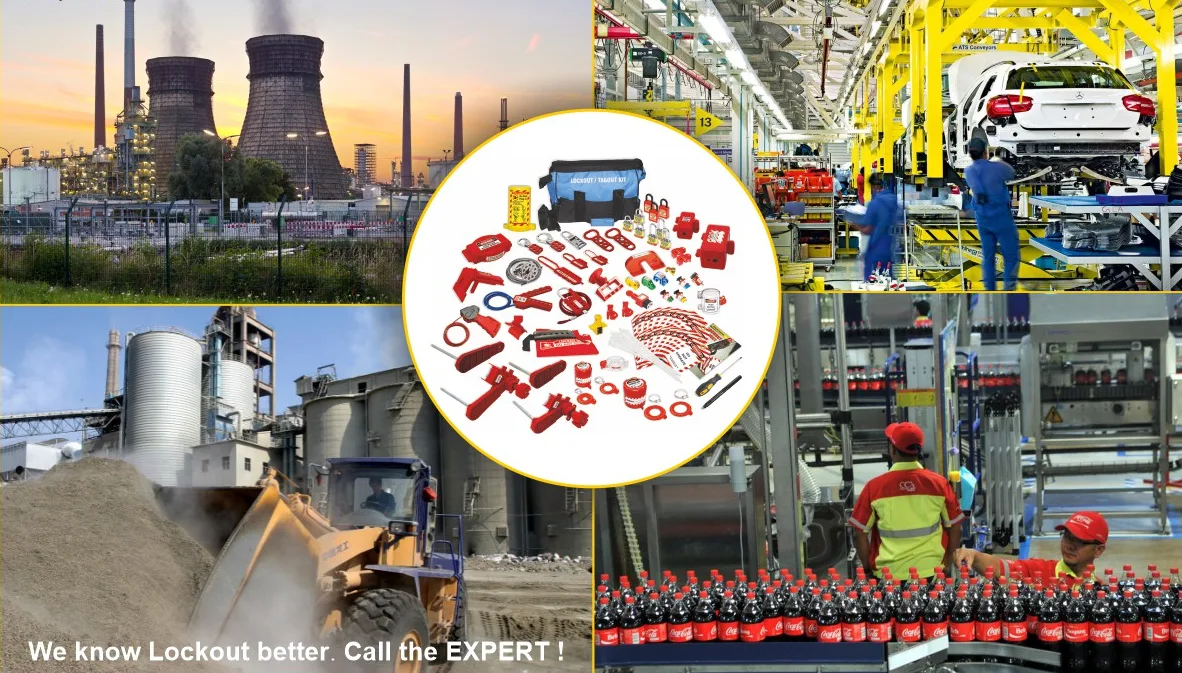
Industrial workplaces rely on powerful machinery, electrical systems, hydraulic equipment, and pressurized pipelines to maintain productivity. While these systems are essential for daily operations, they also present significant risks during maintenance and servicing. Unexpected machine startup or the release of hazardous energy can result in severe injuries, equipment damage, production delays, and costly regulatory penalties.
This is where Lockout Tagout programs play a vital role. A well-equipped Lockout Tagout kit provides workers with the essential devices needed to safely isolate hazardous energy before maintenance begins. Beyond protecting employees, using the right LOTO kit also helps organizations comply with OSHA's Lockout Tagout requirements, reducing the risk of workplace accidents and expensive compliance violations.
Understanding Lockout Tagout:
Lockout Tagout is a systematic safety procedure used to isolate hazardous energy sources before servicing or maintaining equipment. The process involves shutting down equipment, isolating all energy sources, applying lockout devices, attaching warning tags, and verifying that the equipment has reached a zero-energy state.
The primary objective is simple: prevent accidental energization or startup while workers are performing maintenance.
An effective LOTO program protects employees from hazards associated with electrical, mechanical, hydraulic, pneumatic, chemical, and thermal energy.
What is a Lockout Tagout Kit?
A Lockout Tagout kit is a portable collection of safety devices specifically designed to support hazardous energy control procedures. Instead of searching for individual lockout devices, maintenance teams have immediate access to all the equipment required to perform safe energy isolation.
A standard LOTO kit may include:
- Lockout Padlocks
- Lockout Hasps
- Circuit Breaker Lockouts
- Valve Lockout Devices
- Cable Lockouts
- Safety Tags
- Lockout Carry Bags or Boxes
- And many other products
Different kits are available for electricians, maintenance technicians, contractors, machine operators, and group lockout applications.
Having a complete kit improves efficiency while ensuring that workers always have the appropriate lockout devices available when needed.
Why OSHA Compliance Matters?
Workplace safety regulations require employers to establish effective hazardous energy control procedures. OSHA's Lockout Tagout standard is designed to protect employees from injuries caused by the unexpected release of stored energy during equipment servicing.
Compliance involves much more than simply purchasing lockout devices. Employers must also:
- Develop written energy control procedures
- Provide appropriate lockout equipment
- Train authorized and affected employees
- Conduct regular inspections of LOTO procedures
- Verify proper energy isolation before maintenance
Organizations that fail to implement effective Lockout Tagout programs increase their risk of workplace incidents, operational disruptions, and regulatory penalties.
More importantly, proper compliance demonstrates a company's commitment to protecting its workforce.
How Lockout Tagout Kits Support Compliance?
A complete Lockout Tagout kit simplifies compliance by ensuring workers have the right safety devices readily available.
Improves Hazardous Energy Isolation:
LOTO kits contain specialized devices designed to isolate different energy sources safely. Whether locking an electrical breaker or securing an industrial valve, workers can perform energy isolation correctly and consistently.
Standardizes Maintenance Procedures:
Using standardized lockout equipment helps organizations implement consistent maintenance practices across departments and facilities.
This reduces confusion and improves compliance during audits.
Minimizes Human Error:
When essential devices are organized in one kit, employees are less likely to skip safety steps or improvise with incorrect equipment.
Supports Faster Maintenance:
Maintenance personnel spend less time searching for safety equipment and more time completing work efficiently while maintaining safe practices.
Common OSHA Compliance Mistakes:
Many workplace incidents occur because organizations overlook basic Lockout Tagout requirements.
Common mistakes include:
- Failing to isolate every hazardous energy source
- Using incorrect lockout devices
- Missing or damaged safety tags
- Poor employee training
- Incomplete written procedures
- Skipping zero-energy verification
- Using worn or damaged lockout equipment
Routine inspections and properly maintained LOTO kits help reduce these risks significantly.
Workplace Injuries Prevented by LOTO Kits:
A properly implemented Lockout Tagout program protects workers from a wide range of industrial hazards.
These include:
- Unexpected machine startup
- Electrical shock
- Crushing injuries
- Hydraulic pressure release
- Pneumatic system failures
- Chemical exposure
- Thermal burns
By controlling hazardous energy before maintenance begins, LOTO kits help create a much safer working environment.
Choosing the Right Lockout Tagout Kit:
Not every workplace requires the same type of LOTO kit. Selecting the right LOTO kit depends on several important factors.
Identify Equipment Types:
Consider the machinery and energy sources used throughout your facility. Different applications require specialized lockout devices.
Choose Industrial-Grade Quality:
High-quality lockout devices offer greater durability and perform reliably in demanding industrial environments.
Look for products that resist corrosion, chemicals, impact, and harsh weather conditions.
Consider Workforce Requirements:
The number of maintenance personnel determines the quantity of padlocks, hasps, and lockout devices required.
Facilities with multiple maintenance teams often benefit from department-specific or group lockout kits.
Ensure Easy Portability:
Portable lockout kits allow technicians to carry all necessary safety equipment directly to maintenance locations, improving efficiency and organization.
Best Practices for Using Lockout Tagout Kits:
Purchasing a LOTO kit is only the first step. Organizations should also establish strong safety practices.
Follow these recommendations:
- Train all authorized employees regularly.
- Inspect lockout devices before every use.
- Replace damaged or worn equipment immediately.
- Keep kits organized and fully stocked.
- Update procedures whenever equipment changes.
- Verify zero-energy state before maintenance.
- Conduct routine Lockout Tagout audits.
These practices improve both compliance and workplace safety.
Benefits Beyond OSHA Compliance:
While regulatory compliance is important, the advantages of Lockout Tagout kits extend much further.
Organizations that invest in effective LOTO programs often experience:
- Fewer workplace injuries
- Lower accident-related costs
- Reduced equipment damage
- Less production downtime
- Faster maintenance operations
- Improved employee confidence
- Stronger workplace safety culture
- Better operational reliability
Safety investments often deliver long-term financial and operational benefits alongside regulatory compliance.
Quick Checklist: Is Your LOTO Kit Ready?
Before starting maintenance, confirm that your kit includes:
· Lockout Padlocks
· Lockout Hasps
· Valve Lockout Devices
· Circuit Breaker Lockouts
· Cable Lockouts
· Safety Tags
· Employee Instructions
· Inspection Records
A complete, well-maintained kit helps ensure safer and more efficient maintenance activities.
Conclusion:
Lockout Tagout kits are much more than a collection of safety devices, they are a critical part of every successful hazardous energy control program. By providing the devices needed to isolate electrical, mechanical, hydraulic, pneumatic, and other energy sources, these kits help protect workers from serious injuries while supporting compliance with OSHA's Lockout/Tagout requirements.
Organizations that combine high-quality LOTO kits with employee training, standardized procedures, and regular inspections are better equipped to prevent accidents, reduce operational risks, and maintain safer workplaces. Investing in the right Lockout Tagout kit is not simply about avoiding fines, it is about safeguarding people, improving operational efficiency, and building a lasting culture of workplace safety.