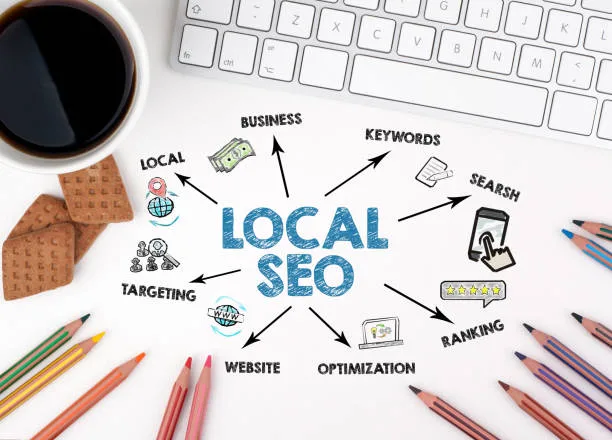
Learn how Local SEO works, improve Google Maps visibility, manage reviews, build local links, and understand the role of Off page seo.
When people search for a nearby service, they often choose from the businesses they see first. A restaurant, plumber, dentist, or shop can miss new customers if its online information is incomplete. Muhammad Ayaad helps businesses understand how search visibility connects with real customer needs. A clear local strategy can help your business appear in relevant searches, build trust, and bring more calls or visits. It is not limited to adding a city name to your website. You need accurate business details, useful local pages, genuine customer reviews, and a strong online reputation. The right approach depends on your location, industry, competition, and service area. In this guide, we explain the main steps, common options, expected costs, and ways to choose a suitable SEO provider.
Why local search visibility matters
Think about the last time you needed a nearby repair service or restaurant. You probably searched online, checked a few results, and compared their reviews. Your customers follow a similar process.
Local SEO helps a business appear when people search for products or services in a particular area. These searches may include a city, neighbourhood, postcode, or phrases such as "near me". Results can appear in Google Maps, the local three-pack, and regular organic listings.
Google says local results mainly depend on three factors: relevance, distance, and prominence. Relevance means how closely a business matches the search. Distance relates to how far the business is from the searcher. Prominence reflects how well-known the business is online and offline. Google's guidance on local search ranking factors explains these points.
Why does this matter to a small business? A nearby customer may be ready to call, book an appointment, or visit a shop. A clear profile and useful website information make it easier for that person to choose you.
Research supports the role of customer feedback. BrightLocal's 2026 Local Consumer Review Survey reports that 97% of consumers read reviews for local businesses. The same study found that 85% were more likely to use a business after reading positive reviews. These findings show why review quality and customer experience deserve attention. Read BrightLocal's 2026 review research.
Main services and options for local businesses
A good plan combines several tasks. You do not need every service at once. Start with the work that fixes your biggest gaps.
Google Business Profile management is a common starting point. It helps eligible businesses show details such as address, phone number, opening hours, services, photos, and customer reviews. Your profile should reflect your real business name and location. Google does not allow businesses to add extra keywords to their names just to influence rankings. Its business representation guidelines explain the rules.
Website location pages are another option. These pages explain which areas you serve and what customers can expect. A useful page for a plumber in Manchester, for example, can describe common plumbing jobs, service hours, and the neighbourhoods covered. Avoid creating dozens of near-identical pages with only city names changed.
Other useful tasks include local keyword research, review management, business directory listings, local content, and relevant links from community websites. These activities help customers and search engines understand your business.
Comparison of common service options
| Service option | Cost level | Best for | Main benefit |
| Google Business Profile setup | Low, one-off | New local businesses | Accurate business details |
| Local website optimisation | Medium, project-based | Businesses with an existing site | Better local relevance |
| Review and listing management | Medium, ongoing | Businesses building trust | Consistent public information |
| Full local SEO campaign | Higher, ongoing | Competitive markets | Wider search visibility |
The cost level depends on the number of locations, website size, competition, and work required. A small shop may need a profile update and one strong location page. A business with several branches may need separate pages, profile management, and regular reporting.
How the work is completed step by step
A practical campaign begins with research, not random changes. The provider should understand your business, customers, competitors, and service area before making recommendations.
The first step is a website and profile review. The SEO specialist checks your business details, website pages, current rankings, reviews, and existing listings. They look for errors such as old phone numbers, duplicate profiles, missing opening hours, and weak location pages.
Next comes keyword research. The aim is to find phrases customers use when looking for your service. Examples include "local SEO for small businesses", "Google Maps SEO for plumbers in Toronto", and "local SEO for dentists in London". These phrases should match the services and areas you genuinely cover.
The provider then improves your Google Business Profile and website. This may include selecting accurate categories, updating service details, writing useful page content, improving page titles, and adding clear contact information.
Review management follows. Customers can be asked for honest feedback after a real purchase or service. A business should reply politely to positive and negative reviews. Never buy reviews or ask people to post feedback they did not earn.
The final stage is tracking and improvement. The provider checks calls, website visits, direction requests, form submissions, and local search performance. Greg Gifford, SearchLab's Chief Strategy Officer and a speaker on local search, has stressed that businesses need to work on their website, Google Business Profile, local links, and reputation together. His advice supports a complete approach rather than relying on one profile alone.
Consider a family-owned dental clinic in Birmingham. Its profile has the wrong Saturday hours, and its website has no page explaining its services in the city. A campaign could correct the hours, improve the clinic's service pages, and set up a simple process for requesting genuine patient feedback. These changes help people get accurate information before booking.
Local SEO costs and factors that affect your budget
Pricing depends on the amount of work involved. A single-location business with a complete website usually needs less support than a company with branches in several cities.
The main cost factors include the number of locations, competition, website condition, content requirements, listing errors, and reporting needs. A business in a small town may face less competition than one targeting central London, New York, Sydney, or Toronto.
Providers may charge a one-off fee for an audit or profile setup. Ongoing campaigns often use a monthly fee because reviews, content, competitors, and business information need regular attention. Multi-location campaigns can cost more because each branch needs accurate details and location-specific work.
Before accepting a quote, ask what the fee covers. Does it include keyword research, website changes, profile management, review support, local listings, and reports? Ask whether content writing and technical fixes are charged separately.
A useful quote should list the work, expected schedule, reporting method, and any extra charges. Be careful with very cheap packages that promise hundreds of directory listings or guaranteed first-place rankings. Google states that businesses cannot pay for a better local organic ranking.
How to choose the right SEO provider
Choosing a provider is about more than comparing monthly fees. You need someone who understands your business model and the area you serve.
Ask for examples of previous local campaigns. A provider should explain what they changed, how they measured progress, and which results came from the work. Do not accept ranking screenshots without context. Calls, qualified enquiries, bookings, and store visits matter more than a single keyword position.
Check how the provider handles Google Business Profiles. They should use your real business name, accurate address or service area, correct categories, and genuine customer information. They should never create fake locations or use false reviews.
Ask who owns the website, profile, and tracking accounts. You should keep access to your business assets if the contract ends. Request a clear report that explains completed tasks and performance in plain language.
A specialist such as Muhammad Ayaad can help plan the work around local search needs, website content, and business reputation. Compare that approach with a general service provider by asking who will complete the work, how they handle local listings, and whether they can explain the reasons behind each recommendation.
You should understand how the campaign supports your business before you sign an agreement. A reliable provider will discuss realistic targets, explain limits, and avoid promises that no SEO professional can control.
Frequently asked questions
What does local SEO do for a small business?
It helps a business appear in searches made by people looking for nearby products or services. Work may include improving a Google Business Profile, updating website pages, managing reviews, and building relevant local links. The aim is to help nearby customers find accurate information and contact the business.
How long does local SEO take to show results?
The timeline depends on competition, location, website condition, and the amount of work required. Some profile corrections can improve customer information quickly. Better search visibility often takes several months of consistent work. A provider should set realistic targets and report progress rather than promise a fixed ranking date.
How do I improve my Google Maps visibility?
Use an accurate and complete Business Profile. Select the correct categories, add real business hours, describe your services clearly, and keep contact details current. Ask customers for honest reviews and respond to feedback. Your website should support the same business information and explain the services you provide.
Do customer reviews affect local search performance?
Reviews help people judge a business and can contribute to its prominence in local results. Google identifies reviews as one of the factors related to prominence. Ask real customers for honest feedback, reply in a professional way, and never buy or fabricate reviews.
What is the difference between local SEO and Off page seo?
Local SEO focuses on visibility for searches connected to a place or service area. Off page seo covers work outside your website, such as earning relevant links, building brand mentions, and managing online reputation. Local link building and genuine reviews can support a wider local search plan.