Online learning has made professional development more accessible than ever. Employees can develop new skills through expert-led videos, digital courses, and self-paced learning resources.
However, organizations often face an important question: Should they invest in an online learning library or a learning management system (LMS)?
Although these solutions support employee development, they serve different purposes.
What Is an Online Learning Library?
An online learning library provides access to ready-made educational content. Employees can explore courses on topics such as leadership, communication, project management, technology, and business skills.
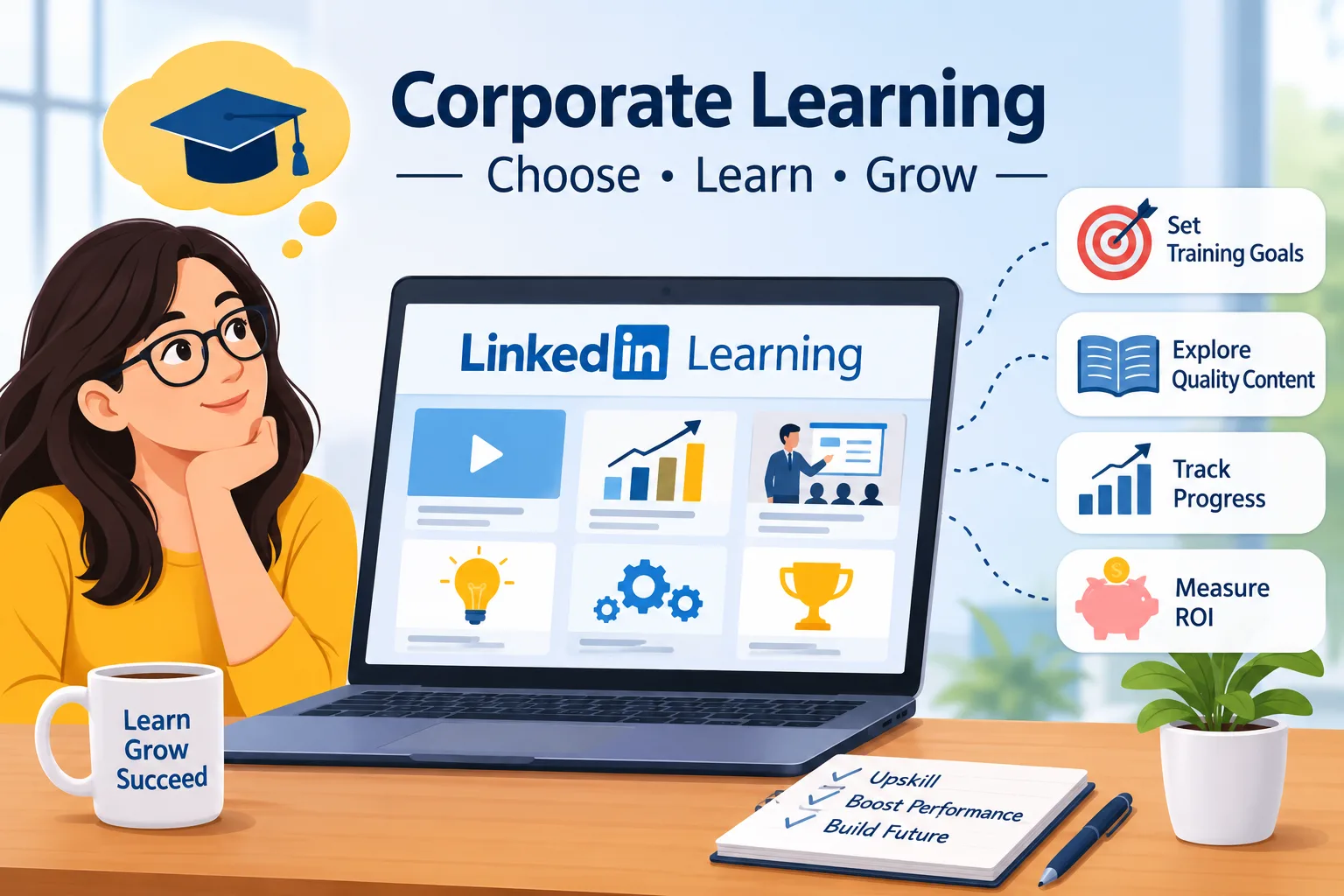
LinkedIn Learning is one example. It offers professional development courses and skills-related learning resources for individuals and organizations.
Organizations considering this option can explore its features, plans, integrations, and limitations in this LinkedIn Learning review.
These libraries are useful when businesses want to provide employees with access to a broad collection of existing courses without developing everything internally.
What Does an LMS Offer?
An LMS focuses on organizing, delivering, and tracking learning activities. Rather than simply providing course access, it helps administrators manage the complete training process.
Typical LMS capabilities include:
- Creating and uploading training courses
- Assigning learning programs to employees
- Managing learner accounts and enrollments
- Conducting assessments and tracking results
- Maintaining completion and certification records
- Generating training reports
- Supporting compliance and onboarding programs
An LMS can also support instructor-led and virtual instructor-led training, depending on the platform.
Can Organizations Use Both?
Absolutely. In many cases, combining an online learning library with an LMS offers greater flexibility.
For example, employees might access professional development courses through a content library while their organization uses an LMS to manage internal training, compliance programs, assessments, and learning records.
The important consideration is integration. Organizations should verify how course launches, learner activity, and completion records are transferred between systems.
Which Option Should You Choose?
An online learning library may be sufficient when your primary goal is to provide employees with ready-made professional development content.
An LMS is a better fit when you need centralized training administration, custom content delivery, learner tracking, and structured training programs.
Organizations with more complex requirements may benefit from using both solutions together.
Conclusion
Choosing between an LMS and an online learning library is not simply about comparing course counts. It is about understanding how your organization delivers, manages, and measures learning.
Evaluate your training objectives first, then select the technology that supports them most effectively.
FAQs
1. What is a corporate learning platform?
A corporate learning platform helps organizations deliver, manage, and track employee training and professional development programs.
2. What is the difference between an LMS and an online learning platform?
An LMS helps organizations manage courses, learners, assessments, and training records, while an online learning platform may primarily provide ready-made courses and learning content.
3. Is LinkedIn Learning suitable for corporate training?
Yes. LinkedIn Learning offers professional development courses covering business, technology, leadership, and creative skills. Its suitability depends on an organization's training needs and budget.
4. What features should a corporate learning platform have?
Important features include course management, learner tracking, assessments, reporting, certifications, integrations, and mobile learning support.
5. How can organizations measure the effectiveness of employee training?
Organizations can measure training effectiveness through course completion rates, assessment scores, employee participation, skill development, and improvements in job performance.
6. Can companies use LinkedIn Learning with an LMS?
Yes. Organizations can combine a content library like LinkedIn Learning with an LMS to provide professional courses while managing internal training programs and learner progress. Integration capabilities depend on the selected plans and systems.
7. How much does a corporate learning platform cost?
Pricing varies depending on the platform, number of learners, subscription model, and available features. Organizations should compare total costs before choosing a solution.