Video dominates headlines, but smart creators are quietly building empires through a medium that doesn't require anyone's eyes: pure audio broadcasting. While competitors scramble for visual content supremacy, a parallel revolution is unfolding—one that's more accessible, more intimate, and often more profitable.
As we approach 2026, the creators winning aren't necessarily producing the flashiest videos. They're the ones understanding when voice alone delivers superior value.
The Multitasking Advantage Nobody Talks About
Here's what makes audio uniquely powerful: your audience can consume it while doing literally everything else. Driving. Exercising. Cooking. Working. Even watching their kids at the playground.
Video demands attention. Audio accompanies life.
This fundamental difference creates massive opportunities for creators willing to embrace the format. You're not competing for screen time—you're filling the hours when screens aren't available.
Why Audio Broadcasting Is Exploding Right Now
Lower Production Barriers
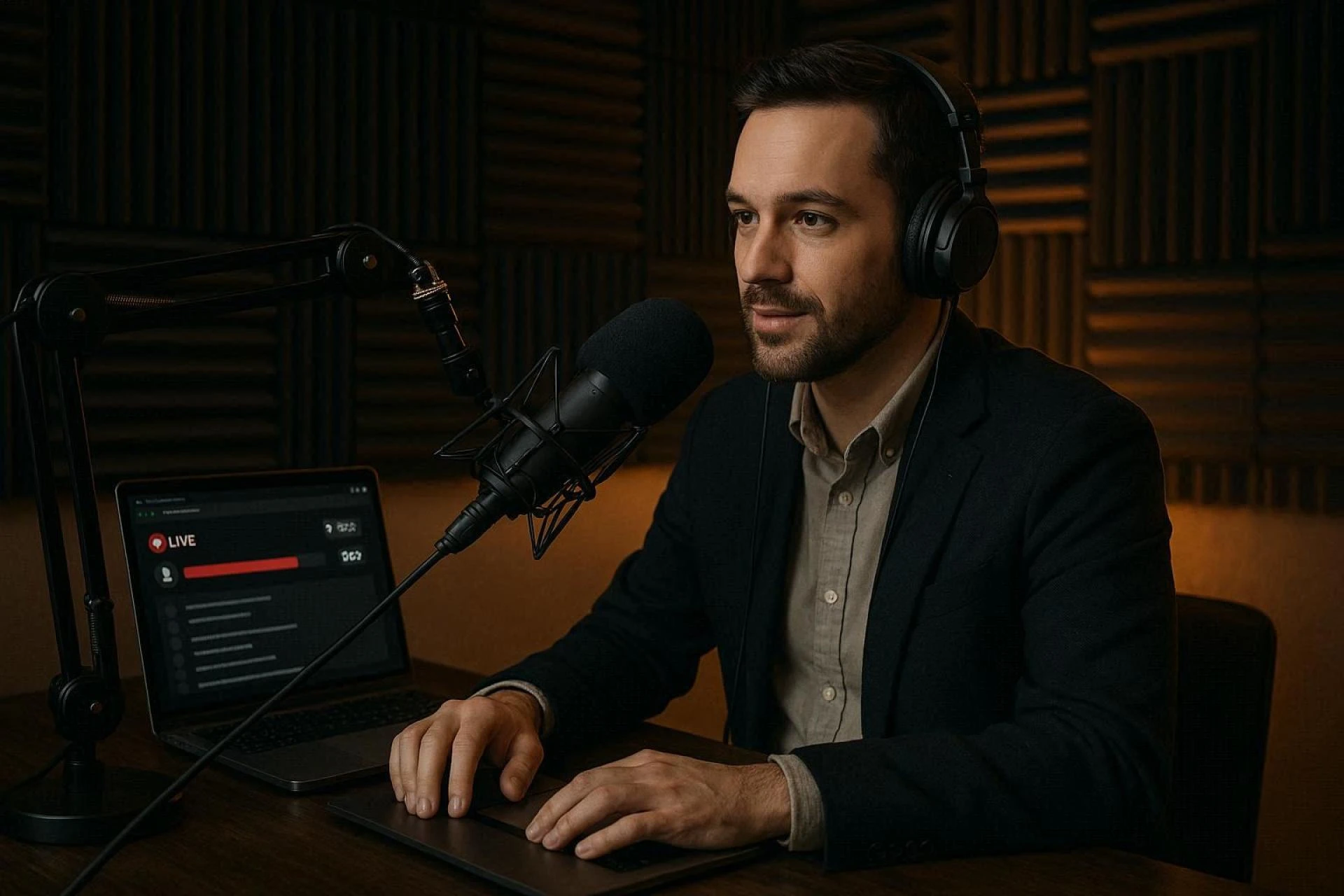
Creating quality live streaming audio requires minimal equipment compared to video setups. A decent microphone, quiet space, and authentic voice can produce content that rivals expensive studio productions.
No lighting concerns. No wardrobe decisions. No background staging. Just pure content delivery.
Reduced Bandwidth Requirements
Audio streaming consumes 90% less data than video alternatives. This accessibility matters enormously for audiences with limited connectivity or data caps—which describes billions of potential listeners globally.
Extended Engagement Windows
Studies consistently show that audio content holds attention significantly longer than video. Listeners stay engaged for entire 60-90 minute episodes, while video viewers often drop off within minutes.
Intimacy Through Voice
There's something uniquely personal about voice-only communication. Without visual distractions, listeners form deeper emotional connections with hosts. Radio personalities understood this decades ago. Modern podcasters are proving it daily.
Industries Transformed by Audio Broadcasting
Education and Professional Development
Language learning, business coaching, and skill development work exceptionally well in audio format. Learners integrate education into commute time, transforming "dead hours" into productive learning sessions.
Health and Wellness
Meditation guides, therapy sessions, fitness coaching, and sleep programming leverage audio's intimate nature. Listeners build consistent habits around audio content that wouldn't work with visual requirements.
News and Analysis
Deep-dive journalism, political commentary, and market analysis attract audiences tired of surface-level video content. Audio enables nuanced, thoughtful discussion without visual performance pressure.
Entertainment and Storytelling
True crime, fiction podcasts, comedy shows, and interview programs create theater of the mind. Listeners' imaginations fill visual gaps, often creating more engaging experiences than video could deliver.
Choosing the Right Infrastructure
Not all platforms deliver equal audio quality or reliability. A professional live streaming provider should offer specific capabilities for audio broadcasters:
Superior Audio Quality
Crystal-clear sound isn't negotiable. Your platform should support high bitrate audio encoding that preserves vocal clarity, music fidelity, and environmental nuance.
Smart Bandwidth Management
Adaptive streaming adjusts quality based on listener connectivity without dropping broadcasts entirely. This keeps your content accessible regardless of network conditions.
Cross-Platform Distribution
Listeners consume audio on dedicated podcast apps, streaming platforms, smart speakers, and car systems. Your infrastructure should distribute seamlessly across this fragmented ecosystem.
Engagement Without Video
Real-time chat, polling, Q&A features, and listener interaction tools let you build community without requiring visual presence.
Monetization Strategies That Actually Work
Subscription Tiers
Offer free public broadcasts with premium content behind paywalls. Audio audiences demonstrate higher willingness to pay for quality content compared to video consumers.
Sponsored Content
Audio advertising feels less intrusive than video interruptions. Host-read sponsorships integrate naturally into programming while generating substantial revenue.
Live Event Access
Broadcast exclusive audio from conferences, workshops, concerts, or speaking engagements to remote audiences willing to pay for real-time access.
Educational Programs
Structured courses, certification programs, and ongoing coaching delivered through audio command premium pricing while remaining accessible to global audiences.
The Multi-Format Strategy
Here's what the smartest creators do: they produce content in the format that serves it best, then intelligently repurpose.
Record video conversations but extract pristine audio for podcast distribution. Create audio-first programs but add simple visualizations for platforms requiring visual elements. This maximizes reach without compromising quality.
Technical Essentials for 2026
Modern audio broadcasting requires surprisingly little equipment but benefits enormously from getting fundamentals right:
- Quality microphones that capture vocal warmth without background noise
- Acoustic treatment even simple as blankets or foam panels
- Pop filters to eliminate harsh consonant sounds
- Audio interfaces that deliver clean signal without interference
- Monitoring headphones to catch issues in real-time
None of this requires studio budgets. A $200-300 investment delivers professional results.
Looking Ahead to 2026
Audio broadcasting isn't replacing video—it's reclaiming its rightful place as a primary content medium. The creators succeeding in the coming years understand that different messages demand different formats.
Your voice has power. Sometimes it doesn't need a face to create impact. Sometimes it just needs to be heard.