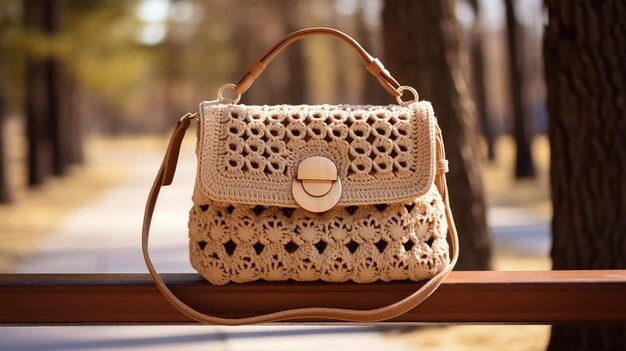
Big style doesn’t always come from big, loud pieces. Often, it’s the smaller details that turn a simple outfit into something intentional, something that looks styled rather than merely worn. The right add-ons can sharpen your silhouette, bring harmony to your colors, and give even a basic look a point of view.
Think of accessories as the finishing strokes: they can shift your mood from relaxed to polished, from classic to playful, without forcing you to replace your whole wardrobe. When chosen well, they also help you repeat outfits in fresh ways, because a new detail changes the entire impression.
The Power of Tiny Details
A tiny choice can create a ripple effect across your look. A crisp belt can define the waist and improve proportions; a minimal chain can make a neckline feel complete; a well-chosen hair piece can turn “quick and casual” into “effortlessly assembled. People frequently notice these minor choices when they think someone has style.
If you’re building an accessory strategy, start with what you wear most. Then add pieces that solve a problem: something to brighten neutrals, something to add structure to drapey outfits, something to elevate flats, or something to make denim feel intentional. For handbag lovers, it can be useful to order clutches for ladies at tiebags.com when you want a compact piece that instantly upgrades your evening basics without needing a full outfit change.
Earrings That Shape the Whole Face
Earrings do more than sparkle; they balance your features and guide attention. Small hoops bring softness to sharp tailoring, while geometric studs can make romantic fabrics feel modern. When you’re wearing your hair up, earrings become the focal point; when your hair is down, they act like subtle punctuation.
To keep your options flexible, build a mix: one sleek pair that works with office looks, one playful pair for weekends, and one statement pair for nights out. A smart trick is to match the earring shape to your collar line. Rounded shapes pair well with structured collars, while angular designs pop against draped necklines.
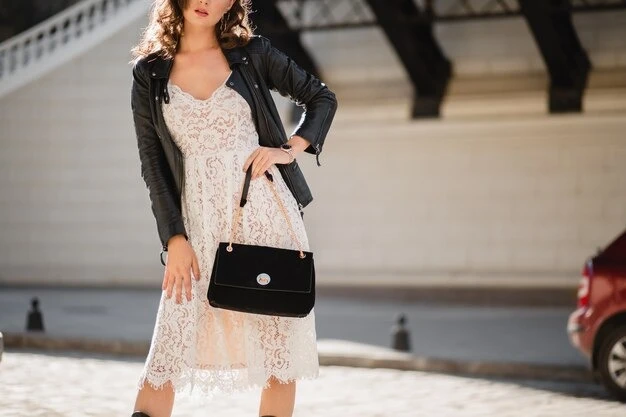
Neckwear That Adds Instant Intent
A necklace can be the bridge between top and bottom, especially when you’re wearing solid colors. A fine chain can make a plain crewneck feel purposeful; a pendant can add character to simple knits; layered lengths can create dimension without relying on bold prints.
Try choosing neckwear based on your outfit’s “visual temperature.” Cool-toned silver feels crisp and modern, while warm gold reads soft and luminous. If layering feels intimidating, use one anchor piece and add a second chain that’s either shorter or longer by a few inches; spacing is what keeps it from looking messy.
Wrist Pieces That Quietly Elevate
Bracelets and watches are often overlooked, but they can make an everyday look seem carefully assembled. A clean watch lends structure to casual outfits, while a delicate bracelet can soften a sharp blazer. If you type, write, or work with your hands, comfort matters. Pieces that snag will only end up living in a drawer.
Aim for a “one strong, one subtle” approach: one main wrist piece and one quiet companion, not a whole stack that competes for attention. This is especially effective when your outfit is minimal, and you want sophistication without flash.
Belts That Redefine Proportions
Belts are functional, but they’re also architectural. They can lengthen legs by defining the waist higher, or they can create a relaxed shape when worn lower on the hips. A belt also brings contrast, which is helpful when your outfit is a single shade from top to bottom.
Keep at least two styles: a slim belt for refinement and a slightly wider belt for structure. Texture matters too; smooth leather reads polished, while woven or suede options feel casual. When your outfit already has multiple elements, a simple buckle avoids visual clutter.
Shoes and Micro-Details That Matter
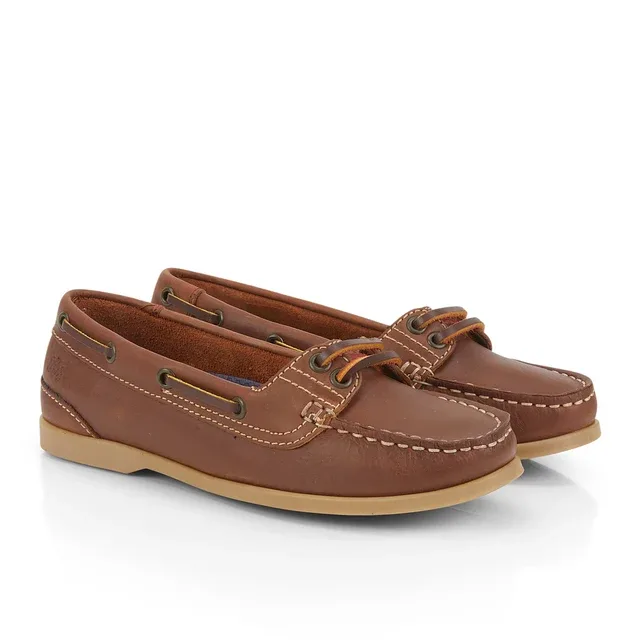
Even when you’re wearing the same pair of shoes, small upgrades can refresh them. Consider laces, buckles, or subtle metallic accents. A pointed-toe flat can make denim look sharper; a sleek loafer can turn a relaxed outfit into something city-ready.
If you prefer comfort-first footwear, focus on clean lines and good maintenance. Wiped leather, intact soles, and tidy silhouettes do more for style than a trendy shape that looks worn out. And if your outfit feels too plain, a shoe in a rich shade like burgundy or deep green adds depth without screaming for attention.
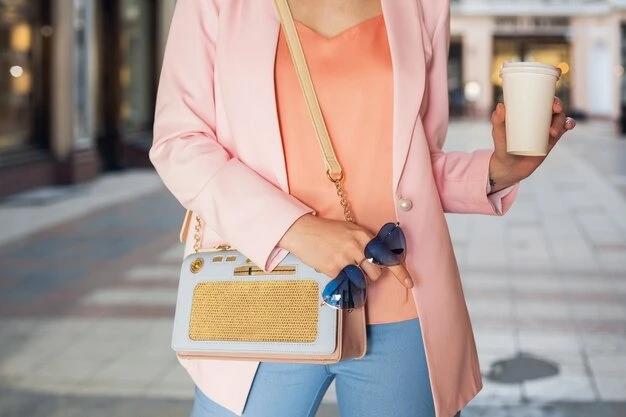
Mini Bags That Carry the Moment
Small bags are more than cute; they encourage editing. Carrying less creates a lighter, more intentional vibe, and it often changes the way you move and hold yourself. A compact bag also keeps attention on your outfit’s shape rather than a bulky tote dominating the look.
When styling for events, a petite option can complement dressy textures like satin, crepe, or velvet. It’s also where you can play with a pop of shine or an unexpected color. For nights out and celebrations, people often look for designer party bags that feel special but still work with multiple outfits, so the accessory becomes a repeat favorite rather than a one-time purchase.
Finishing Touches for Special Moments
When you’re dressing for a significant event, the goal is cohesion: every piece should feel like it belongs. That doesn’t mean matching everything; it means creating a consistent story, soft and romantic, sleek and modern, classic and refined, or bold and playful. The smallest touches can carry that story.
Instead of adding more, refine what’s already there. Choose one “lead” accessory and let the rest support it. This is especially helpful when selecting formal occasion bags, since a well-proportioned piece in the right finish can tie together shoes, jewelry, and the overall mood without overpowering the outfit.
Conclusion
Small accessories are style multipliers: they can sharpen, soften, brighten, modernize, and personalize what you already own. The best part is that you don’t need dozens of pieces; you need a thoughtful selection that works across your real life, from everyday errands to the moments you dress up for.
When you build a rotation of well-chosen details, you gain confidence and flexibility. Outfits become easier, repeat-wear becomes more creative, and your personal style looks clearer. Start with one upgrade you’ll use often, learn what it changes about your outfits, and let that guide the next small addition.