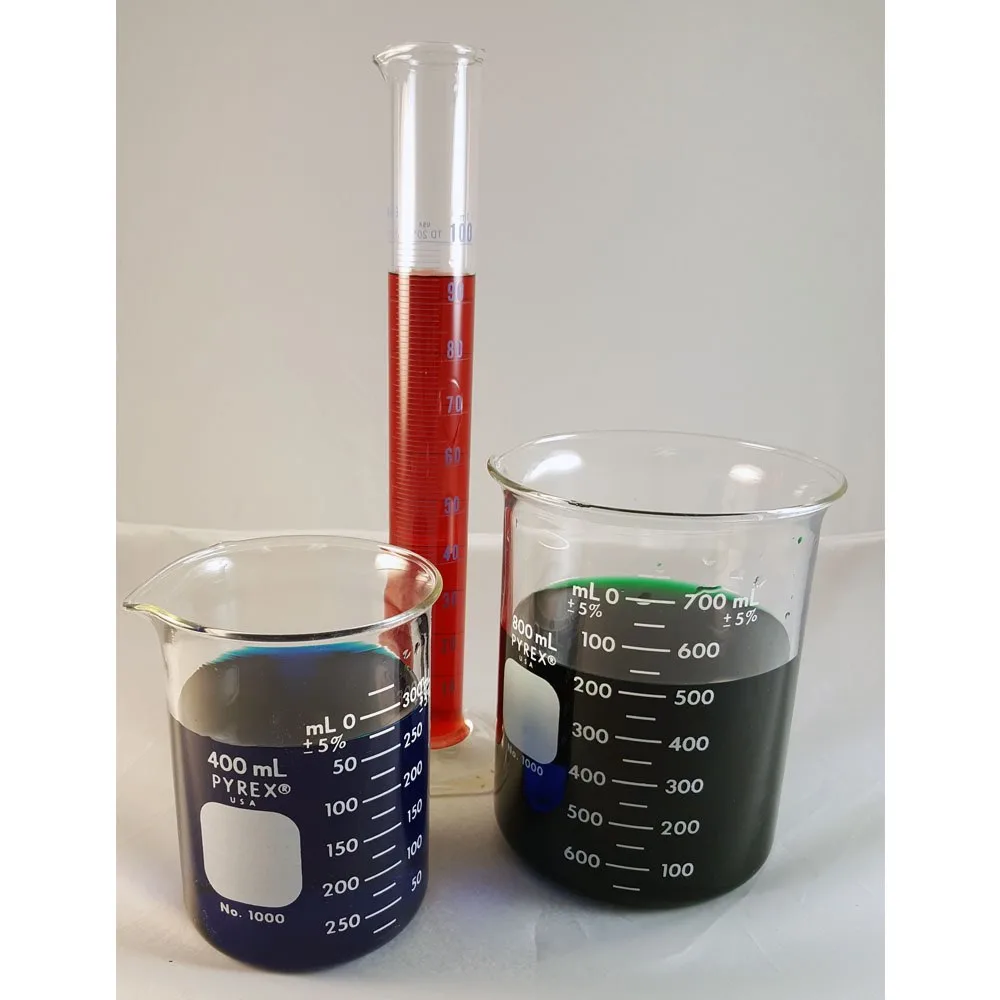
Choosing the right burnishing compound is essential for achieving clean, smooth, and bright surfaces during mass finishing operations. Whether processing stainless steel, aluminum, brass, or other metal components, the correct liquid compound helps improve surface quality, remove contaminants, and maintain consistent finishing results.
Liquid Compounds are commonly used in vibratory and barrel tumbling systems for cleaning, burnishing, degreasing, and polishing applications. Selecting the right burnishing compound for tumbler operations depends on the workpiece material, desired finish, finishing media, and equipment requirements.
This guide explains how burnishing compounds work, their different types, and how to choose the right formulation for your application.
Understanding Burnishing Compounds: What They Are and How They Work
A burnishing compound is a specialized chemical formulation used in mass finishing processes to improve the cleanliness and appearance of metal components. Typically diluted with water, these compounds work alongside finishing media to support surface refinement, lubrication, and contaminant removal.
While finishing media physically contacts the workpiece to remove material or improve surface smoothness, liquid compounds provide chemical support throughout the process.
Their primary benefits include:
- Surface Brightening: Helps achieve cleaner, brighter, and more uniform finishes.
- Contaminant Removal: Removes oils, grease, dirt, and manufacturing residues.
- Friction Reduction: Provides lubrication between finishing media and workpieces.
- Corrosion Protection: Certain formulations help prevent rust and surface staining.
- Process Consistency: Supports stable finishing conditions during mass finishing operations.
The effectiveness of a burnishing compound depends on its formulation, concentration, water quality, and processing conditions.
Key Factors to Consider When Choosing a Burnishing Compound
Selecting the right compound requires understanding the workpiece material and desired finishing results.
1. Workpiece Material
Different metals require different chemical formulations.
- Stainless Steel: Requires compatible compounds for cleaning, brightening, and corrosion protection.
- Aluminum: Benefits from non-ferrous metal formulations that minimize discoloration and staining.
- Brass and Copper: Require suitable compounds to remove contaminants while maintaining surface brightness.
- Zinc: Needs chemically compatible formulations to prevent unwanted surface reactions.
2. Desired Surface Finish
Your finishing objective determines the appropriate compound. Brightening compounds help improve surface appearance, while cleaning formulations remove oils and grease. Corrosion-inhibiting compounds provide additional protection against rust and staining.
3. Equipment Compatibility
Consider whether you are using a vibratory tumbler, rotary barrel tumbler, or centrifugal finishing machine. The compound should be compatible with the equipment, finishing media, and operating conditions.
4. Compound Concentration
Follow the manufacturer's recommended dilution ratios. Water hardness, pH, and contamination can also influence compound performance and finishing consistency.
Different Types of Burnishing Compounds and Their Applications
Burnishing compounds are available in different formulations to address specific finishing requirements.
1. Water-Based Burnishing Compounds
Water-based compounds are widely used in mass finishing because they are easy to dilute and rinse. They support cleaning, brightening, and lubrication during vibratory and barrel tumbling operations.
2. Alkaline Burnishing Compounds
These formulations help remove oils, grease, and manufacturing residues from metal components. They are commonly used for cleaning machined parts and preparing surfaces for subsequent finishing processes. Material compatibility is particularly important when processing aluminum and zinc.
3. Corrosion-Inhibiting Compounds
These compounds contain additives that help reduce corrosion and staining during and after finishing. They are useful for ferrous metal components that require temporary protection during handling and storage.
4. Specialized Brightening Compounds
Brightening compounds are designed to improve the appearance of metal surfaces during tumbling operations. They are commonly used for stainless steel, brass, copper, and other metals where surface brightness is important.
Tips for Applying Burnishing Compounds for Optimal Results
Proper application is essential for achieving consistent finishing results. Follow these practices to improve process efficiency:
- Clean Workpieces: Remove excessive grease, dirt, and loose contaminants before starting the tumbling process.
- Follow Dilution Ratios: Mix the compound with water according to manufacturer recommendations. Excessive concentration does not necessarily improve performance.
- Select Compatible Media: Stainless steel media supports burnishing and brightening, while ceramic media is commonly used for cutting and deburring applications.
- Monitor Processing Conditions: Maintain appropriate compound concentration, water flow, processing time, and media-to-workpiece ratio.
- Rinse and Dry Components: Thoroughly rinse finished parts and dry them properly to prevent water spots and corrosion.
Common Mistakes to Avoid When Using Burnishing Compounds
Incorrect compound selection and application can affect finishing quality and increase production costs.
- Using the Wrong Compound: Always select a formulation compatible with the workpiece material to prevent discoloration and unwanted chemical reactions.
- Excessive Compound Concentration: Too much compound can increase foaming, chemical consumption, and rinsing difficulties.
- Ignoring Water Quality: Hard or contaminated water can reduce compound effectiveness and contribute to inconsistent finishes.
- Selecting Incompatible Media: Incorrect media can result in inadequate burnishing or unwanted surface damage.
- Skipping Final Rinsing: Residual compound can cause deposits and staining. Proper rinsing and drying help maintain the finished surface.
How to Choose the Right Burnishing Compound for Your Tumbling Application
The right burnishing compound depends on the metal being processed, finishing objective, and equipment configuration.
| Finishing Requirement | Compound Selection |
| Stainless steel brightening | Compatible brightening compound |
| Aluminum finishing | Non-ferrous metal-compatible compound |
| Brass and copper cleaning | Copper alloy-compatible formulation |
| Oil and grease removal | Alkaline cleaning compound |
| Corrosion protection | Corrosion-inhibiting compound |
Always consult your compound supplier and conduct a small-scale trial before introducing a new formulation into production.
Conclusion
Choosing the right burnishing compound is essential for achieving consistent surface quality in vibratory and barrel tumbling operations. Understanding different Liquid Compounds, material compatibility, and application requirements helps manufacturers improve cleaning efficiency, maintain surface brightness, and achieve reliable finishing results.
Whether processing stainless steel, aluminum, brass, or other metal components, selecting a suitable burnishing compound for tumbler applications can help optimize your mass finishing process.