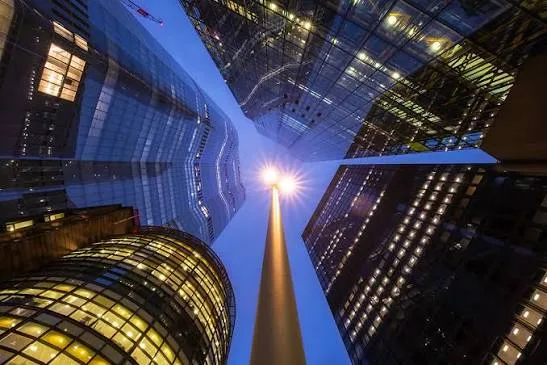
A great building photo does something quiet. It makes you feel the space. The weight of the walls. The shape of the roof. The way sunlight slides across a facade at the end of the day.
Capturing that feeling isn’t luck. It comes from three simple ideas that every strong architectural photographer understands: light, lines, and lenses. Get these right, and a plain structure can look remarkable.
Light Comes First
Light shapes everything in architectural photography. It reveals texture, creates depth, and sets the mood. The same building can look flat at noon and stunning an hour before sunset
Golden hour and blue hour
The hour after sunrise and the hour before sunset give warm, low, directional light. It rakes across surfaces and highlights texture in stone, concrete, and brick. Shadows become softer and more flattering.
Blue hour comes just after sunset, when the sky turns a deep blue. Interior lights glow against that color. Many photographers love it for the contrast between cool sky and warm windows.
Overcast and midday light
Cloudy skies spread soft, even light. That can be helpful for showing detail without harsh shadows, especially on complex facades. Midday sun creates strong shadows and sharp lines, which can work well for bold, graphic images when used on purpose.
Plan around the sun
Smart photographers visit locations in advance. They check which direction a building faces and when the sun will hit it. In places with strong, bright sun, picking the right time of day can matter even more.
Lines Give the Image Structure
Architecture is built from lines. Walls, beams, windows, steps, railings. A photographer’s job is to use them well.
Keep verticals vertical
When you point a camera upward at a tall building, vertical lines seem to lean inward. This is called keystone distortion, and it’s one of the most common mistakes in beginner architectural photography.
Fixing it is possible in several ways:
- Stand back and keep the camera level
- Use the grid and level tools on your camera
- Use a tilt-shift lens to correct perspective
Straighten verticals in editing software
Editing tools can fix converging lines, though you lose a little of the image edges in the process. Even a small tilt can feel off in architectural work, so careful shooting saves time.Use leading lines
Leading lines guide the viewer’s eye from the edge of the frame toward the main subject. Steps, railings, pavements, columns, and rooflines all work well.
A winding staircase pulls the eye upward. A row of columns creates rhythm. A long corridor creates depth. Look for these lines before you press the shutter.Symmetry and perspective
Symmetry gives a calm, powerful feel, especially in lobbies, galleries, and classical facades. One-point perspective, where lines meet at one spot, suits straight-on views. Two-point perspective adds drama by showing a corner from an angle, while keeping verticals straight.
Lenses Control the Story
- The right lens changes how a building feels.
- Wide-angle lenses, around 16 to 35mm, capture entire buildings and interiors. They show context but need careful handling to avoid distortion.
- Tilt-shift lenses let you correct perspective without tilting the camera. Professionals favor them because they keep lines straight. They’re usually manual-focus and expensive.
Telephoto lenses, around 100 to 200mm, isolate details like patterns, emblems, and textures.
A good set of images mixes all three. Wide shots set the scene. Detail shots add richness.Get the Technical Basics Right
Settings matter too. A common starting point is:
- Low ISO for clean detail
- An aperture around f/8 to f/11 for sharpness from front to back
- A tripod for stability and precise framing
Bracketed exposures for scenes with strong contrast
Slow, careful shooting usually beats quick snapshots. Take time to check the corners of the frame and fix distractions like signs, parked cars, or stray cables.Interiors Need Extra Care
Indoor spaces mix natural and artificial light, which can create odd color casts. Photographers often balance exposures or combine several images to keep windows from blowing out.
Straight lines matter even more indoors. A slight tilt in a hallway or a ceiling stands out right away. Neutral styling, clean surfaces, and thoughtful framing help rooms feel inviting and true to life.Editing Finishes the Image
Post-processing isn’t cheating. It’s part of the craft. Typical steps include correcting lens distortion, straightening lines, adjusting exposure, and balancing color.
The goal isn’t to change the building. It’s to make the photo match what the eye and mind remember. Heavy editing that misrepresents a space can damage trust, especially in real estate and commercial work.From Still Photos to Immersive Tours
Many of the same principles apply to 360-degree and 3D tours. Good light, level lines, and careful composition make a tour feel natural, while poor technique makes it feel awkward.
That’s why many agencies and developers choose established virtual tour solutions in Riyadh that combine strong photography skills with the right technology. Local experience also helps with lighting, building styles, and viewer expectations.Scaling Quality Across Projects
For large developments, consistency matters. Buyers compare units, and uneven quality hurts credibility. Across the region, many teams turn to virtual tour solutions Saudi Arabia clients already trust, so every unit gets the same standard of light, composition, and finish.
Practical Tips to Remember
If you want to improve your own architectural photos, start here:
- Scout the location and plan around the light
- Shoot level and use your camera’s grid
- Look for leading lines and symmetry
- Choose the lens that fits the story
- Use a tripod and a narrow aperture for sharpness
- Check the frame for distractions
Edit gently and keep the result honest
Final Thoughts
Exceptional architectural photography isn’t about expensive gear alone. It’s about understanding how light falls, how lines guide the eye, and how lenses shape perspective.
Master these three ideas, and your photos will do more than record a building. They’ll help people feel what it’s like to stand there.