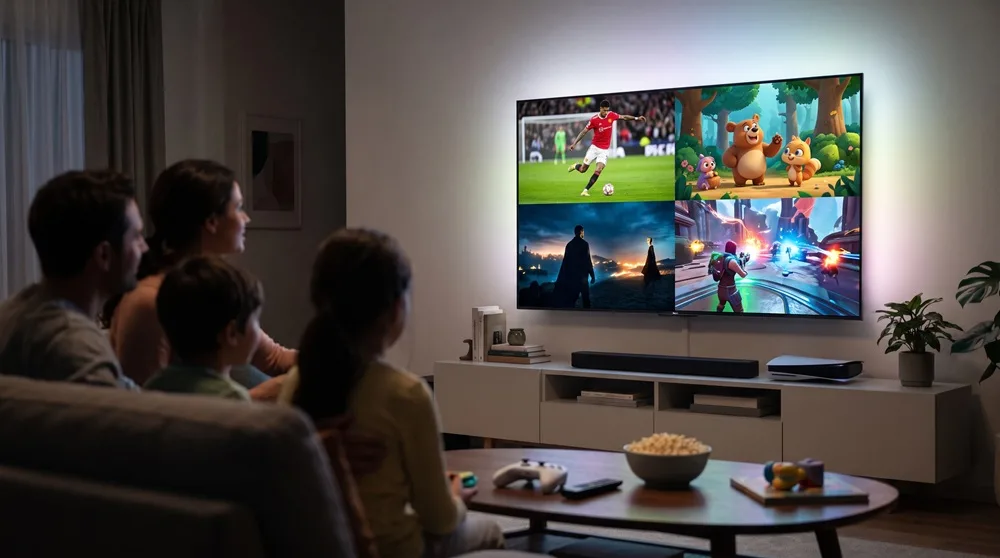
In today’s visual-first online world, product photos need to do more than show an item—they need to show how it fits into everyday life. That’s the idea behind lifestyle product photography. Instead of displaying a product on a plain background, lifestyle images place it in real situations that feel natural and relatable.
When done well, these photos help customers imagine using the product themselves. And that emotional connection often leads to stronger engagement and higher conversions.
The good news? You don’t always need a complex studio setup to create effective lifestyle images. With a few thoughtful choices, you can capture authentic moments that feel both professional and real.
What Makes Lifestyle Product Photography Different?
Traditional product images focus on clarity and detail. Lifestyle photography focuses on context.
Instead of asking, “What does the product look like?”, lifestyle imagery answers a different question: “How does this product fit into real life?”
For example:
· A coffee mug photographed on a plain table shows the design.
· The same mug photographed beside a morning newspaper and sunlight tells a story.
That story helps customers connect with the product on a personal level.
Choosing the Right Environment
A good setup starts with a setting that matches the product’s purpose. The environment should feel believable and natural.
Consider these simple location ideas:
· A kitchen counter for food or drink items
· A desk setup for office products
· A living room scene for home décor
· Outdoor settings for lifestyle or travel items
The goal is to create an atmosphere where the product feels like it naturally belongs.
Keep backgrounds simple. Too many objects can distract from the main subject.
Use Natural Light Whenever Possible
Lighting plays a huge role in lifestyle product photography. Natural light is often the easiest way to achieve a soft, authentic look.
Position your setup near a window where daylight is available. This helps create gentle shadows and realistic colors.
If the light feels too strong, try these adjustments:
· Use a thin curtain to soften sunlight
· Place a whiteboard opposite the window to bounce light
· Avoid direct overhead lighting that creates harsh shadows
Soft, even lighting keeps the scene looking calm and natural.
Add Props That Tell a Story
Props help bring the scene to life, but they should support the product—not compete with it.
A few thoughtful additions can create context. For example:
· Books, glasses, or notebooks for a workspace scene
· Fresh ingredients for kitchen-related products
· Towels or plants for home and wellness items
When selecting props, choose items that feel authentic to the situation. If something looks staged or unrelated, it can break the illusion.
Capture Natural Angles and Moments
One key element of strong lifestyle images is perspective. Instead of always shooting straight-on, try different angles that feel more dynamic.
Some effective options include:
· Slightly angled tabletop shots
· Overhead “flat lay” arrangements
· Close-ups that highlight texture or detail
These angles help viewers feel like they’re part of the scene rather than just observing it.
Keep the Product the Star
While lifestyle scenes add context, the product should always remain the main focus.
To maintain balance:
· Place the product near the center or foreground
· Use softer colors for surrounding props
· Avoid cluttered backgrounds
The viewer’s eye should naturally land on the product first.
Conclusion:
At its core, lifestyle product photography is about storytelling. It transforms simple product images into relatable moments that customers can imagine themselves experiencing.
By choosing the right environment, using natural light, and adding thoughtful props, even a simple setup can produce engaging lifestyle visuals. These images don’t just showcase a product—they show how it fits into everyday life.
In a crowded digital marketplace, that sense of authenticity can make a powerful difference. When customers see a product in a familiar setting, it becomes easier for them to picture it as part of their own story.