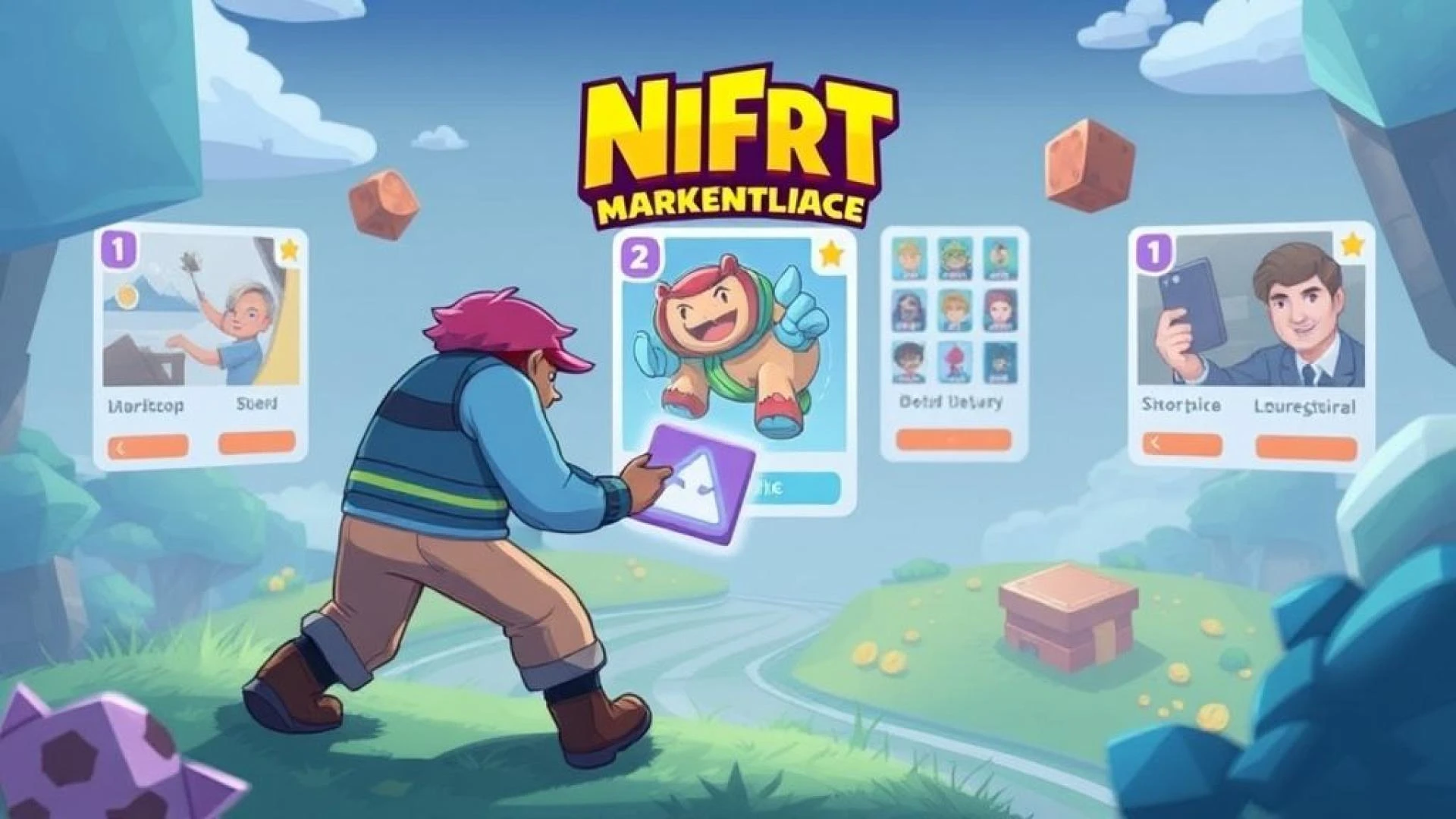
The evolution of digital engagement is entering a new era. For businesses, developers, andcontent creators across a wide range of industries, NFTs (non-fungible tokens) offer an unprecedented opportunity to build meaningful connections, boost revenue, and create immersive experiences. At the heart of this revolution is the concept of launching your own branded NFT marketplace—powered by a white label NFT marketplace solution.
As NFTs grow in popularity across art, gaming, fashion, entertainment, and sports, having a tailored platform that fits your brand’s aesthetic and functional needs is critical. Rather than relying on generic third-party platforms, more companies are investing in white label NFT marketplace development to establish autonomy, control, and a differentiated market presence.
In this article, we explore the value of creating your own branded NFT marketplace and how leveraging white label NFT marketplace development can transform your user engagement strategy.
What Is a White Label NFT Marketplace?
A white label NFT marketplace is a pre-built, ready-to-deploy digital platform designed to allow for complete branding, customization, and ownership. Businesses use white label NFT marketplace software to create unique digital storefronts where users can mint, buy, sell, and trade NFTs.
Unlike building a marketplace from scratch, white label NFT marketplace development saves time, reduces cost, and accelerates time-to-market—all while offering rich feature sets, scalability, and robust security.
Why Build a Branded NFT Marketplace?
Owning your own NFT marketplace is not just a tech trend—it’s a strategic asset. Here are a few key benefits:
- Total Control: From user experience to fees, moderation, and branding, you’re in control.
- Direct Engagement: Own the customer relationship with custom features like loyalty rewards, exclusive drops, and gamification.
- Increased Monetization: Monetize transactions, subscriptions, royalties, and exclusive memberships.
- Brand Recognition: Strengthen brand identity with a unique, immersive interface.
- Data Ownership: Get access to user behavior analytics, trading activity, and retention metrics.
Who Should Use a White Label NFT Marketplace?
White label NFT marketplace development is applicable across various industries:
- Gaming Companies: Offer in-game items, characters, and skins as NFTs.
- Musicians & Labels: Monetize songs, albums, and concert experiences.
- Sports Franchises: Launch collectible NFT trading cards or ticketing experiences.
- Fashion Brands: Showcase exclusive digital fashion drops.
- Art Galleries & Artists: Create curated digital art exhibitions and direct-to-collector sales.
Key Features of a White Label NFT Marketplace Software
When choosing a white label NFT marketplace software, make sure it includes:
- Wallet integrations (MetaMask, WalletConnect, etc.)
- NFT minting (ERC-721, ERC-1155 support)
- Smart contract integration
- Auction & bidding features
- Custom branding
- Multi-currency support (ETH, MATIC, BNB, etc.)
- Royalty configuration
- Admin dashboard & analytics
- Mobile responsiveness
These features ensure your marketplace delivers a seamless experience for creators and collectors alike.
Understanding White Label NFT Marketplace Development
White label NFT marketplace development involves working with a white label NFT marketplace development company to design, develop, and deploy a customized NFT platform. This process includes:
- Requirement Gathering: Understanding your brand, business goals, and user needs.
- Customization: Aligning UI/UX and backend architecture to your project.
- Smart Contract Development: Creating and integrating blockchain protocols.
- Testing: Ensuring the platform is secure, scalable, and bug-free.
- Deployment: Launching on your chosen blockchain (Ethereum, Polygon, Solana, etc.)
- Support: Ongoing updates, maintenance, and upgrades.
A reliable white label NFT marketplace development company can handle end-to-end execution, so your team can focus on growing your brand.
Choosing the Right White Label NFT Marketplace Development Company
To get the best results, partner with a company that has:
- A proven track record in blockchain and NFT development
- End-to-end services including consulting, design, development, and support
- A customizable white label NFT marketplace software stack
- Security protocols (smart contract audits, DDoS protection, etc.)
- Transparent pricing models and project timelines
Working with the right white label NFT marketplace development services partner will save time, reduce technical debt, and optimize your go-to-market strategy.
Building Player Engagement with a Branded NFT Marketplace
For gaming companies in particular, a white label NFT marketplace is a powerful engagement engine. Here’s how:
- Exclusive Drops: Release limited-edition assets that create hype and exclusivity.
- Loyalty Rewards: Incentivize player behavior with NFT badges or rare items.
- Peer-to-Peer Trading: Let players earn, trade, and grow their inventory organically.
- Event Integration: Host tournaments or seasonal campaigns with NFT rewards.
- User-Generated Content: Allow players to mint and sell their own assets.
These tools build long-term engagement and encourage a vibrant player economy.
Monetization Opportunities
With a branded white label NFT marketplace solution, monetization becomes multi-dimensional:
- Primary sales of NFTs
- Transaction fees on secondary trades
- Subscription plans for premium features
- Brand collaborations and co-branded drops
- Ad revenue via sponsored placements
Your NFT marketplace is not just a product—it’s a business model.
Scalability and Growth
A well-built white label NFT marketplace can grow alongside your brand. Whether you’re expanding to new user bases, onboarding creators, or introducing metaverse integrations, the right white label NFT marketplace software ensures long-term scalability.
Support for multi-chain deployment (Ethereum, BNB Chain, Avalanche, etc.) gives flexibility and ensures low fees and faster transactions.
Case Study Examples
- Fantasy Sports Platform: A platform used white label NFT marketplace development services to launch collectible athlete cards. Users could trade and use them in fantasy leagues.
- Indie Game Studio: Leveraged a white label NFT marketplace development company to create an immersive, brand-aligned in-game economy.
- Music Festival: Created NFT ticketing and VIP access features using white label NFT marketplace software, enhancing fan experience and reducing fraud.
Security and Compliance
Security is critical. Look for white label NFT marketplace software that includes:
- Two-factor authentication
- Smart contract audits
- Role-based access control
- GDPR and data protection compliance
- KYC/AML support (for regulated markets)
With white label NFT marketplace development, these features should be customizable to your target audience and geography.
Integration with Metaverse and Web3 Tools
Advanced white label NFT marketplace development services can include:
- Avatar customization and asset portability
- Interoperability with virtual worlds
- VR/AR display galleries
- DAO integration for community governance
These tools place your NFT marketplace at the center of the growing Web3 ecosystem.
Tips for a Successful Launch
- Build anticipation with teasers and exclusive previews.
- Educate your audience on NFT usage and benefits.
- Engage influencers and communities.
- Offer incentives for early adopters.
- Provide a seamless user experience.
Conclusion
The rise of NFTs has opened up a new dimension of brand interaction and monetization. A branded NFT marketplace built on white label NFT marketplace software offers unparalleled opportunities to engage users, empower creators, and drive revenue.
By investing in white label NFT marketplace development and working with a trusted white label NFT marketplace development company, you position your business at the forefront of the digital future.
Whether you’re in gaming, entertainment, fashion, or any other industry, a white label NFT marketplace solution can elevate your brand and provide long-lasting value to your users.