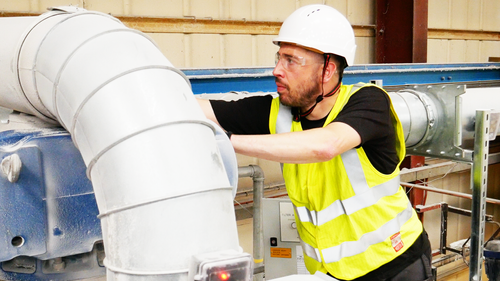
Maintaining safe air quality in industrial workplaces is a critical responsibility for employers. Many industries produce harmful dust, fumes, and airborne contaminants that can affect worker health if not properly controlled. This is where LEV testing services become essential.
Local Exhaust Ventilation (LEV) systems are designed to capture and remove hazardous airborne substances at the source. However, to ensure these systems continue to perform effectively, businesses must also carry out regular LEV servicing and maintenance.
In this guide, we’ll explore why LEV testing is important, how proper maintenance improves system performance, and how businesses can maintain compliance with workplace safety standards.
What Are LEV Systems?
Local Exhaust Ventilation systems are specialised ventilation setups designed to remove harmful airborne contaminants directly from industrial processes. These systems capture pollutants such as dust, smoke, vapours, and fumes before they spread into the workplace.
LEV systems are commonly used in industries including:
- Manufacturing and engineering
- Metal fabrication and welding
- Woodworking and furniture production
- Pharmaceutical manufacturing
- Chemical processing
A typical LEV system includes several key components such as extraction hoods, ducting, filters, and fans that work together to remove contaminated air from the work environment.
What Are LEV Testing Services?
LEV testing services involve inspecting and evaluating ventilation systems to ensure they are functioning correctly and safely. The goal of testing is to verify that the system effectively captures harmful contaminants and maintains proper airflow levels.
During a professional LEV inspection, engineers typically assess:
- Airflow performance
- System pressure levels
- Hood capture efficiency
- Filter condition
- Ductwork integrity
Testing also includes detailed reports that help businesses understand whether their ventilation system meets required performance standards.
Regular testing helps identify potential problems early, preventing ventilation failures that could compromise workplace safety.
Why LEV Servicing and Maintenance Is Important
While testing ensures the system is working properly, ongoing LEV servicing and maintenance ensures the system continues operating efficiently over time.
Industrial environments can place heavy demands on ventilation systems. Dust accumulation, clogged filters, or damaged ductwork can reduce system performance and allow contaminants to escape into the workplace.
Routine servicing usually includes:
- Cleaning ventilation components
- Inspecting fans and ductwork
- Replacing filters and worn parts
- Checking airflow performance
- Repairing damaged components
Regular LEV servicing and maintenance helps extend the lifespan of ventilation systems while ensuring they operate at maximum efficiency.
Benefits of Regular LEV Testing and Maintenance
Combining professional LEV testing services with routine maintenance offers several benefits for industrial workplaces.
Improved Worker Safety
Properly functioning ventilation systems remove harmful airborne contaminants, reducing the risk of respiratory illnesses and long-term health problems.
Better System Efficiency
Regular maintenance keeps airflow levels stable and prevents blockages that could reduce system performance.
Reduced Equipment Downtime
Early identification of issues allows businesses to repair or replace parts before major system failures occur.
Regulatory Compliance
Many workplace safety standards require regular ventilation system inspections to ensure businesses maintain safe working environments.
How Often Should LEV Systems Be Tested?
The frequency of testing depends on the type of industrial process and the level of airborne contaminants produced. However, regular inspections are recommended to ensure ventilation systems remain effective.
Alongside inspections, consistent LEV servicing and maintenance helps maintain system performance between testing periods. Preventative maintenance reduces the risk of sudden failures and ensures that systems continue to capture harmful substances effectively.
Industries That Require LEV Testing Services
Several industries rely heavily on LEV testing services to protect employees from airborne hazards.
Some of the most common sectors include:
- Engineering and metal fabrication
- Wood processing and furniture manufacturing
- Pharmaceutical and chemical industries
- Automotive repair workshops
- Construction and demolition environments
In these industries, ventilation systems play a vital role in controlling workplace exposure to hazardous substances.
Choosing the Right LEV Service Provider
When selecting a company for LEV testing services, businesses should choose providers with experience in ventilation systems and industrial safety standards.
A reliable provider should offer:
- Professional system inspections
- Detailed testing reports
- Preventative LEV servicing and maintenance
- Support for system upgrades and improvements
Working with experienced professionals ensures ventilation systems remain efficient and compliant with safety requirements.
Conclusion
Maintaining safe workplace air quality requires reliable ventilation systems and regular performance checks. LEV testing services help businesses verify that their ventilation systems are effectively controlling airborne contaminants, while ongoing LEV servicing and maintenance ensures these systems continue operating efficiently.
By investing in routine testing and preventative maintenance, businesses can protect their workforce, improve workplace safety, and maintain compliance with industry standards. For organisations looking for expert support in ventilation testing and system maintenance, Premier LEV provides professional solutions designed to help industrial workplaces maintain safe and efficient air control systems.