
There are few wardrobe decisions quite as deceptively difficult as choosing the right shoes. A pair can look excellent in isolation and still feel completely wrong once you put on the rest of the outfit.
That is particularly true when deciding between leather loafers for men and men’s casual trainers. Both have become staples of the modern wardrobe, but they solve rather different problems. Loafers can sharpen an outfit without making it feel overly formal, while trainers offer the relaxed practicality that has become increasingly normal for everyday dressing.
The trick is not deciding which style is universally better. It is understanding when each one earns its place.
Why the occasion should come first
Before thinking about colour, brand or even material, consider where you are actually going.
A smart-casual dinner, summer wedding or office with a relaxed dress code may call for something more refined than trainers. On the other hand, a weekend spent walking around town rarely requires the structure of a traditional smart shoe.
This sounds obvious, but it is an easy distinction to overlook when shopping. A versatile shoe is useful precisely because it works across several settings, not because it is suitable for absolutely everything.
There is also the question of how formal you want an outfit to feel. A dark leather loafer with tailored trousers creates a noticeably different impression from a clean white trainer worn with the same trousers. Neither is necessarily wrong. They simply communicate different levels of formality.
Leather loafers for men: where they work best
Loafers occupy an interesting middle ground. They are smarter than most trainers but less formal than many lace-up dress shoes.
That makes them particularly useful for occasions where you want to look put together without appearing as though you have dressed for a board meeting.
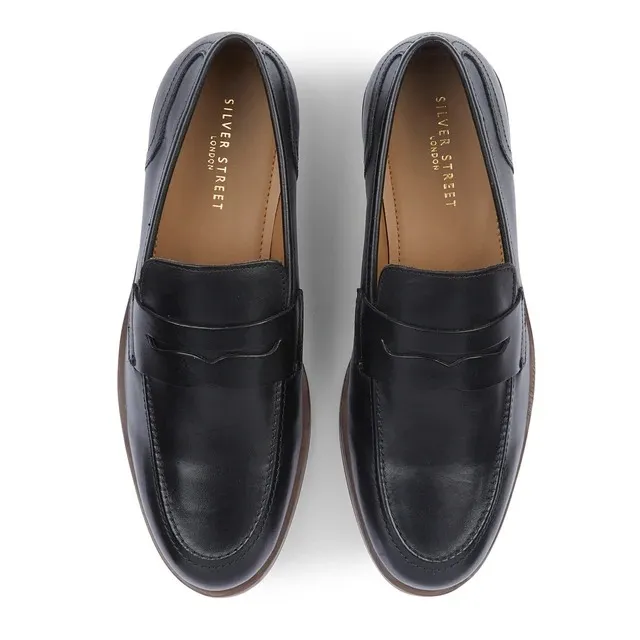
A classic penny loafer, for example, can work with tailored trousers, chinos and, depending on the cut and colour, even dark denim. A tassel loafer introduces a little more personality, while a driving loafer tends to have a more relaxed character.
Colour makes a significant difference, too. Black leather is naturally more formal and works particularly well with darker trousers. Brown and tan loafers can feel easier during the daytime, particularly when paired with navy, beige, olive or lighter-weight tailoring.
For men building a relatively small shoe collection, loafers can therefore be a surprisingly efficient choice. A well-made pair can cover work, dinners, events and many smart-casual occasions without looking out of place.
Men’s casual trainers: the everyday alternative
The rise of smart-casual dressing has made men’s casual trainers far more versatile than they once were.
The key distinction is between trainers designed primarily for sport and those intended for everyday wear. A performance running shoe may be excellent for exercise but can look rather conspicuous with tailored trousers. A minimalist leather or suede trainer, by contrast, can sit comfortably within a much wider wardrobe.
The simplest styles are often the most adaptable. Low-profile trainers in white, off-white, grey, navy or muted earth tones tend to work particularly well because they do not dominate the rest of an outfit.
They are especially useful with jeans, chinos, shorts and casual trousers. For travelling, commuting or weekends, their comfort can also be a deciding factor.
That does not mean every trainer belongs in every setting. Even a beautifully made minimalist trainer may feel too casual for a formal wedding or traditional business environment.
The useful question is not whether trainers are fashionable. It is whether that particular trainer suits the clothes and occasion.
How to choose between the two
When choosing between loafers and trainers, four things are worth considering.
1. Dress code
If an occasion has an explicit dress code, follow it first. Footwear should support the overall level of formality rather than fight against it.
For smart-casual settings, either loafers or understated trainers may work. For more formal occasions, loafers are usually the safer option.
2. The rest of your outfit
Look at the trousers before choosing the shoes.
Tailored trousers generally lean towards loafers, Derbies, or similarly refined footwear, although minimalist trainers can work when the overall outfit is deliberately contemporary.
Jeans and casual trousers naturally lend themselves to trainers, while chinos can comfortably go either way.
This is one reason loafers and trainers complement each other rather than compete with each other. They give you different options for the same basic wardrobe.
3. Comfort and how much walking is involved
Style matters, but there is little value in wearing an impressive pair of shoes if you are uncomfortable after an hour.
Think about the day's demands. A long commute, sightseeing trip or informal weekend may favour a supportive trainer. A dinner, meeting or event where you will spend more time standing still may make a loafer more practical.
The construction of the individual shoe matters here. Two pairs that look similar can feel completely different underfoot.
4. Your personal style
Some men naturally gravitate towards polished tailoring. Others prefer denim and relaxed layers. Most sit somewhere between the two.
There is no reason footwear has to push you towards a style you do not normally wear.
If your wardrobe is predominantly casual, a clean leather trainer may get considerably more use than a formal loafer. If you regularly wear tailored trousers, shirts and knitwear, a good pair of loafers may prove the more useful investment.
Matching shoes with jeans, chinos and trousers
A simple rule is to consider the visual weight of the outfit.
Slim or straight-leg jeans generally work well with relatively streamlined trainers. Chunkier footwear can make narrow trousers look unbalanced.
Chinos are probably the easiest trousers to style because they can move from casual to smart-casual with relatively little effort. Pair them with clean trainers for a relaxed look or leather loafers when you want to sharpen things up.
Tailored trousers require slightly more care. A sleek trainer can look intentional with a contemporary cut, particularly if the trousers are slightly cropped. Traditional or fuller-cut tailoring usually sits more naturally with loafers or other smart footwear.
Colour should also be considered. Matching shoes exactly to your trousers is rarely necessary. In fact, a little contrast often makes the outfit more interesting.
A practical two-shoe wardrobe
If you wanted to simplify things, a versatile wardrobe could start with just two pairs: one refined pair of loafers and one understated pair of trainers.
For the loafers, brown or dark tan is a useful starting point if your wardrobe contains plenty of navy, beige and denim. Black is a stronger choice if you regularly wear charcoal, black or formal tailoring.
For trainers, white, cream, grey or another restrained neutral will generally offer the most flexibility.
From there, you can expand according to your lifestyle rather than buying shoes simply because a particular style is trending.
A suede loafer might make sense if you spend summers in lightweight trousers. A darker leather loafer could be useful for work. A second pair of trainers might be worthwhile if you travel frequently or wear casual clothing most days.
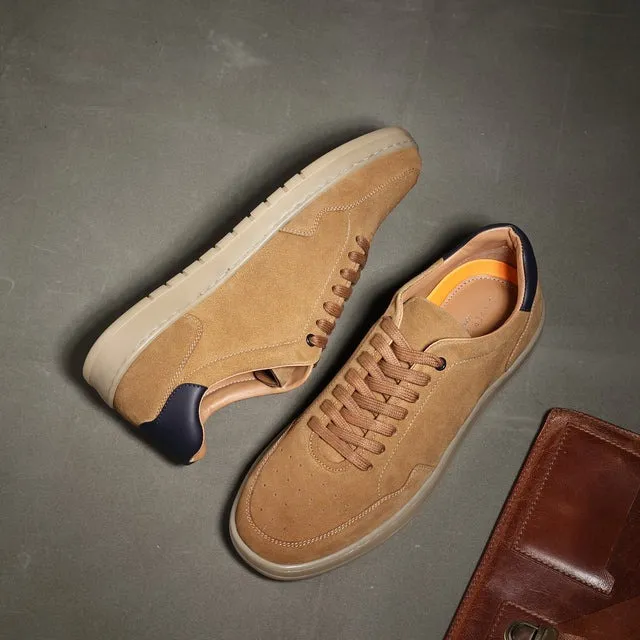
The same principle applies when browsing specialist footwear retailers. For example, Silver Street London’s range of men’s footwear includes both loafers and smart-casual trainers, illustrating how these categories can sit within the same broader wardrobe rather than being viewed as competing choices.
Looking after your footwear
Good footwear becomes considerably more valuable when it is looked after properly.
Leather shoes benefit from being kept clean and conditioned periodically. Give them time to dry naturally if they become wet, and avoid placing them directly against a radiator or other strong heat source.
Using shoe trees can also help leather footwear retain its shape, particularly with loafers that are worn regularly.
Trainers need attention too. Wiping marks away before they become ingrained is usually easier than trying to restore a neglected pair months later. The appropriate cleaning method depends on whether the upper is leather, suede, canvas or a synthetic material, so check the manufacturer's care guidance rather than treating every trainer in the same way.
One small habit makes a surprisingly large difference: rotate your footwear. Giving shoes a day to air between wears can help them last longer and remain more comfortable.
The best choice is usually the one you will actually wear
There is a temptation to search for a single pair that can do everything. In practice, footwear works better when you accept that different shoes have different jobs.
Leather loafers for men are at their best when an outfit needs polish without becoming overly formal. Men’s casual trainers make more sense when comfort, ease and a relaxed appearance take priority.
Neither needs to dominate your wardrobe.
The most useful approach is to choose footwear around your actual lifestyle, the clothes you already own and the situations you regularly find yourself in. A carefully chosen pair that gets worn every week is far more valuable than an impressive pair that spends most of its life in the wardrobe.
That is ultimately what good style comes down to: not having more choices, but having the right ones.
FAQs
Are leather loafers suitable for everyday wear?
Yes. A comfortable, well-constructed loafer can work very well for everyday smart-casual dressing, particularly with chinos, tailored trousers and dark denim. Driving loafers and softer constructions can offer a more relaxed option.
Can men’s casual trainers be worn with smart trousers?
Yes, provided the trainers are clean, relatively understated, and suit the cut of the trousers. Minimalist leather trainers tend to work better than heavily branded or performance-style trainers in smart-casual outfits.
Are loafers smarter than trainers?
Generally, yes. Loafers usually have a more formal visual character, although the distinction depends on the individual design. A suede loafer may be quite relaxed, while a sleek leather trainer can look surprisingly polished.
What colour loafers are most versatile?
Brown and tan are highly versatile for casual and smart-casual wardrobes, particularly when worn with navy, beige and denim. Black loafers are a strong option for more formal or monochrome outfits.
How many pairs of shoes should a man own?
There is no universal number. A useful starting point is one versatile smart pair and one versatile casual pair. From there, add footwear according to your work, social life, climate, and hobbies rather than following a fixed number.