Education is most powerful when it connects with real life, allowing children to discover the world through meaningful experiences rather than rote memorization. For families who value this philosophy, Montessori Schools in Madipakkam provide an environment where children learn not only from books but also from daily living. Rooted in respect for the child and guided by hands-on exploration, Montessori’s natural path transforms education into an enriching journey of growth, independence, and discovery.
Montessori Philosophy: Education Rooted in Real Life
Dr. Maria Montessori, a pioneering Italian educator, observed that children thrive when they are given opportunities to interact meaningfully with their environment. She believed that learning should be practical, connected to everyday experiences, and aligned with the child’s natural development.
The Montessori method is built on several key principles:
- Independence – Children are encouraged to do things on their own, from dressing themselves to completing academic tasks.
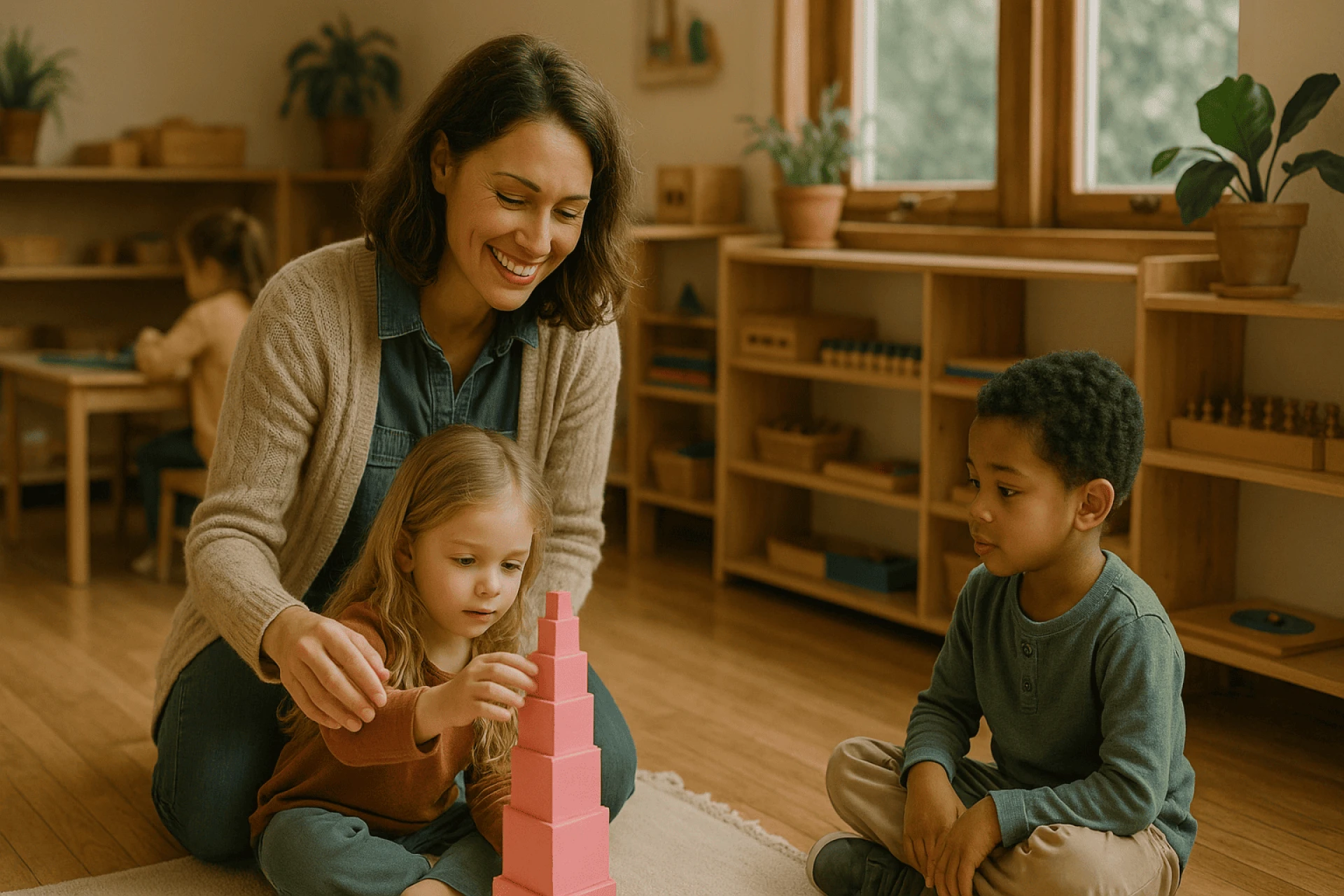
- Prepared Environment – Classrooms are designed to foster exploration, with child-sized furniture and accessible learning materials.
- Hands-On Materials – Specially designed tools make abstract concepts concrete and engaging.
- Respect for Individual Growth – Each child is seen as unique, progressing at their own pace.
- Integration of Daily Life Skills – Practical life activities are just as important as academics.
This philosophy creates a natural path where children learn through living, gaining both knowledge and confidence.
The Role of Practical Life Activities
One of the most distinctive features of Montessori education is its emphasis on practical life exercises. Activities such as pouring water, sweeping floors, preparing snacks, or caring for plants are integral parts of the curriculum. While these may seem simple, they are powerful learning experiences.
Practical life work develops:
- Fine and gross motor skills – Children refine coordination through repetitive tasks.
- Concentration – Focus deepens as children complete meaningful, real-world activities.
- Confidence – Each completed task reinforces the child’s sense of capability.
- Responsibility – Children learn to care for themselves and their environment.
These skills lay a foundation not only for academic learning but also for personal independence.
Hands-On Learning Across Subjects
Beyond daily living, Montessori materials bring subjects like math, science, and language to life. For example:
- Mathematics – Golden beads, number rods, and spindle boxes let children physically handle quantities, bridging the gap between the abstract and concrete.
- Language – Movable alphabets and sandpaper letters introduce phonics in a tactile, interactive way.
- Science and Culture – Children explore puzzle maps, botany cards, and simple experiments that connect them to the natural world.
By engaging directly with these materials, children don’t just memorize facts—they discover knowledge through exploration and practice.
The Prepared Environment: A Living Classroom
Montessori classrooms are often described as “living classrooms” because they are designed to mirror the real world. Everything is arranged with purpose, from low shelves that encourage independence to carefully chosen learning tools that support developmental needs.
Children move freely within this environment, choosing activities that align with their interests. This freedom of choice fosters a love of learning while also teaching self-regulation. By managing their own work and respecting others, children gain practical lessons in responsibility, collaboration, and respect.
Teachers as Guides, Not Directors
In Montessori, teachers are known as guides because their role is to support rather than direct learning. They observe each child, understand their unique needs, and introduce materials when the child is ready. Instead of standing in front of the classroom delivering lectures, they step aside and allow children to explore independently.
This approach instills confidence and curiosity. Children learn that their efforts are trusted and valued, which encourages them to take initiative and grow at their own pace.
Social Development Through Living Together
Montessori classrooms are multi-age communities, often spanning three years. This setup allows younger children to learn by observing older peers, while older children gain confidence and leadership skills by helping younger ones.
The classroom community mirrors real-life society, where collaboration and empathy are essential. Group activities, shared responsibilities, and peer interactions foster social confidence and prepare children for life beyond school.
Outdoor Exploration: Extending Learning Beyond Walls
Montessori’s natural path extends outdoors, where children explore nature, engage in gardening, and participate in free play. These experiences strengthen physical development while also deepening children’s connection to the natural world.
Outdoor exploration encourages:
- Curiosity – Observing insects, plants, and weather sparks scientific thinking.
- Respect for nature – Caring for gardens instills environmental responsibility.
- Gross motor skills – Running, climbing, and balancing build strength and coordination.
In this way, living and learning become inseparable, both inside and outside the classroom.
Building Lifelong Skills and Confidence
Montessori education is not only about academic achievement but about shaping capable, confident individuals. Through everyday activities, children develop essential life skills:
- Problem-solving – Figuring out how to complete tasks builds critical thinking.
- Time management – Choosing and completing activities independently fosters responsibility.
- Adaptability – Navigating a multi-age classroom builds flexibility and social intelligence.
- Self-discipline – Managing their own choices teaches focus and persistence.
These skills are invaluable for success in school and beyond.
Growing Popularity Among Families
Parents increasingly seek Montessori education for its holistic approach. It offers a balance of academics, life skills, and character development that traditional methods often lack.
Many families exploring Preschools in Velachery are drawn to Montessori environments because they see how children thrive when allowed to learn naturally through living. Montessori schools are becoming a preferred choice for parents who want their children to grow not only intellectually but also emotionally and socially.
Real-Life Transformations in Montessori
Parents often share inspiring stories of their children’s growth in Montessori settings. A once-shy child becomes more confident after mastering daily tasks independently. Another develops focus and concentration through practical life activities. Others blossom socially, learning to care for their peers and environment with genuine responsibility.
These transformations highlight how Montessori’s natural path builds more than academic success—it nurtures self-assurance, empathy, and resilience.
Conclusion: A Natural Path to Lifelong Learning
Montessori education demonstrates that learning is not separate from living—it is woven into the fabric of daily experiences. By integrating academics with practical life, respect, and exploration, Montessori creates an environment where children grow into confident, capable, and compassionate individuals.
The philosophy of learning through living ensures that children are not only prepared for academic challenges but also for the realities of life. They gain independence, responsibility, and curiosity—qualities that will serve them well throughout their journey.
For families seeking education that respects the child’s individuality while nurturing holistic growth, Montessori’s natural path offers the ideal foundation. By valuing both living and learning, Montessori schools plant the seeds for lifelong success, resilience, and joy in discovery.