Learning to play the piano is a rewarding experience for children and adults alike. Professional Piano lessons in katy provide students with structured musical education, personalized guidance, and opportunities to develop essential piano-playing skills. Whether parents are searching for an experienced children's piano teacher or adults want to begin their musical journey, private piano lessons offer a flexible and effective way to learn. Through professional instruction, regular practice, and step-by-step guidance, students can develop proper techniques, understand music theory, improve their musical expression, and gain confidence. With suitable adult piano lessons and children's programs, beginners and experienced learners can enjoy music education at their own pace.
Why Are Piano Lessons in Katy a Great Choice for Musical Learning?
Choosing the right music education program is an important step toward developing long-term musical skills. Quality Piano lessons in katy help students understand the fundamentals of music while building a strong foundation in piano performance.
Piano education involves more than learning to press keys. Students gradually develop an understanding of musical notes, rhythm, timing, hand coordination, scales, chords, and reading sheet music. Professional guidance makes these concepts easier to understand and apply.
Students can also explore different musical styles, including classical, contemporary, and popular music. This variety makes learning enjoyable and allows individuals to discover their musical interests.
For families in Katy, choosing a professional piano academy can provide children and adults with an organized learning environment. With consistent lessons and personalized instruction, students can progress from basic exercises to more challenging musical compositions.
 How a Children's Piano Teacher Helps Young Learners Develop Musical Skills
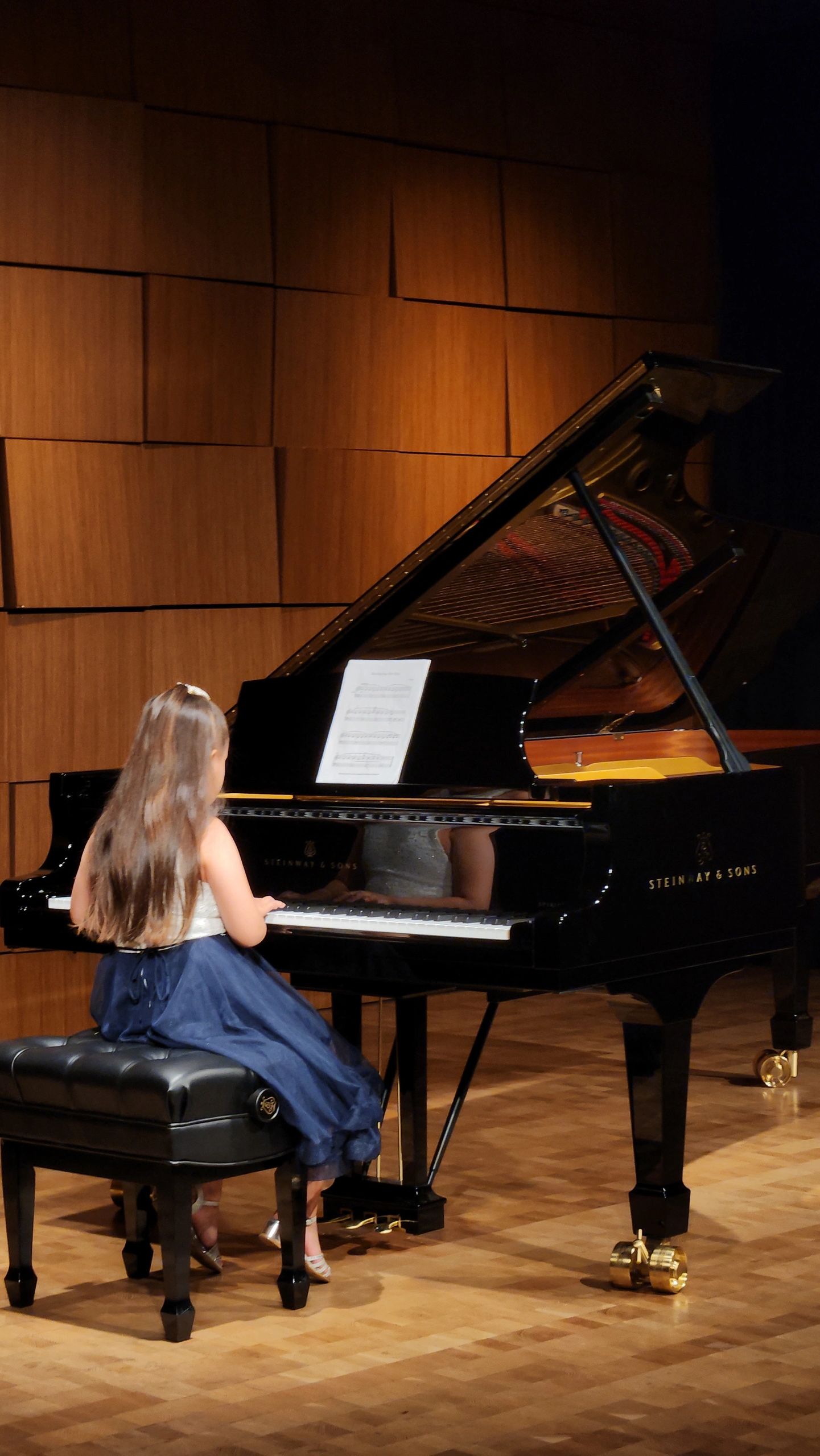
Finding the right children's piano teacher can make a significant difference in a child's early music education. Young learners benefit from an instructor who understands their learning abilities, interests, and developmental needs.
A professional teacher introduces musical concepts through age-appropriate activities and practical exercises. Instead of overwhelming children with complicated techniques, lessons generally begin with simple melodies, finger exercises, rhythm patterns, and basic music reading.
An experienced children's piano teacher can help children develop several important musical abilities:
- Music reading: Children learn to recognize musical notes, symbols, and rhythms.
- Hand coordination: Piano exercises encourage students to coordinate both hands.
- Listening skills: Students learn to identify different sounds, pitches, and musical patterns.
- Musical expression: Children explore dynamics, tempo, and the emotions behind music.
- Practice habits: Regular assignments encourage consistency and responsibility.
A supportive instructor also understands that every child learns differently. Some children respond well to visual demonstrations, while others learn through listening and repetition.
With appropriate teaching methods, a children's piano teacher can make lessons engaging while helping students build confidence. Encouragement, achievable goals, and positive feedback are essential parts of a successful learning experience.
Adult Piano Lessons: Why It Is Never Too Late to Learn Piano
Many people believe piano education is only suitable for children. However, learning an instrument can be a fulfilling activity at any age. Adult piano lessons provide an opportunity for beginners and returning musicians to develop their musical abilities.
Adults often have different reasons for learning piano. Some want to fulfill a childhood dream, while others enjoy music as a creative hobby or wish to improve their existing performance skills.
Professional adult piano lessons can be designed around individual goals, experience levels, and schedules.
Common areas covered in adult instruction include:
- Understanding piano keys and musical notation.
- Learning basic scales, chords, and melodies.
- Developing correct finger placement and posture.
- Practicing rhythm and timing.
- Playing familiar songs and musical compositions.
- Improving performance and musical interpretation.
One important advantage of adult learning is that students can communicate their preferences and goals clearly. Teachers can use this information to create lessons that match their interests.
For example, a beginner interested in popular music may start with simple chord progressions, while someone interested in classical music may gradually explore traditional compositions.
Consistent adult piano lessons help students build musical knowledge through practical instruction and manageable learning goals.
Private Piano Lessons for Personalized Music Education
Every student has different learning requirements. This is why private piano lessons are a valuable option for individuals who prefer focused, one-on-one instruction.
Unlike a general group learning environment, private instruction allows teachers to concentrate on one student's progress. Lessons can be adjusted according to musical experience, learning speed, strengths, and areas that require improvement.
Some important advantages of private piano lessons include:
Personalized instruction: Teachers can select exercises and musical pieces according to individual abilities.
Individual feedback: Students receive direct guidance about finger positioning, rhythm, technique, and performance.
Flexible progression: Learners can spend additional time understanding challenging concepts before moving forward.
Goal-oriented learning: Lessons can focus on specific objectives, such as playing a favorite song, improving music reading, or preparing for a performance.
Improved practice techniques: Instructors can demonstrate how to practice effectively between lessons.
For beginners, personalized instruction helps establish correct habits from the beginning. More experienced students can use private lessons to refine their techniques and explore advanced compositions.
Whether a student is a child or an adult, private piano lessons provide an organized learning experience that supports individual musical development.
What Skills Do Students Learn During Piano Lessons in Katy?
A structured music education program covers several areas of piano playing. Professional Piano lessons in katy generally combine practical exercises with music theory to help students understand how music works.
Understanding Music Theory
Music theory explains the structure of music. Students learn about notes, scales, chords, intervals, time signatures, and musical symbols.
These concepts help learners understand the relationship between written music and piano performance.
Developing Proper Piano Techniques
Correct posture, hand positioning, and finger movement are important for comfortable piano playing. Teachers introduce exercises that help students develop control and accuracy.
Reading Sheet Music
Reading sheet music allows students to understand musical compositions without depending entirely on demonstrations. Beginners gradually learn treble and bass clefs, note values, rests, and other musical symbols.
Improving Rhythm and Timing
Rhythm is an essential part of music. Students practice counting beats, following time signatures, and maintaining a steady tempo.
Building Musical Expression
Playing notes correctly is only one part of piano performance. Students also learn how dynamics, articulation, tempo, and phrasing influence the overall sound of a composition.
Together, these skills create a strong foundation for continued musical learning.
How to Choose the Right Children's Piano Teacher
Selecting a suitable instructor is an important decision for parents. The right children's piano teacher should understand how to introduce musical concepts in a clear, encouraging, and age-appropriate manner.
Parents can consider several factors when evaluating piano instruction.
Teaching experience: Look for an instructor with relevant piano teaching experience and an understanding of beginner-level education.
Personalized approach: Children have different interests and learning speeds, so lessons should accommodate individual needs.
Structured curriculum: A clear learning plan helps children progress through music reading, technique, rhythm, and performance.
Positive learning environment: Encouragement and constructive feedback help young students remain motivated.
Regular progress updates: Communication between instructors and parents can help everyone understand the child's development.
A good learning experience should balance structured education with enjoyment. Children are more likely to remain interested when lessons include achievable goals and music they enjoy playing.
 Why Adults Should Consider Professional Adult Piano Lessons
Starting piano as an adult can feel challenging, especially for individuals without previous musical experience. However, a structured teaching approach makes the learning process manageable.
Professional adult piano lessons help students avoid common beginner mistakes and establish good playing habits.
Adults can benefit from having clear musical goals. For instance, a student may want to learn a favorite song, understand music theory, or develop the confidence to perform in front of others.
A teacher can divide these objectives into smaller learning steps. Students can begin with basic keyboard familiarity and gradually progress toward more complicated pieces.
Research on music education has examined its relationship with cognitive skills and personal development, although findings about broader academic and cognitive benefits are mixed. The enjoyment of music, development of musical ability, and satisfaction of learning a new skill remain valuable reasons to pursue piano education.
How Regular Practice Improves Piano Learning
Attending lessons is important, but regular practice is equally essential for musical progress. Students who practice consistently have more opportunities to reinforce techniques and remember what they learn during instruction.
Here are some practical recommendations for developing an effective piano practice routine:
- Set realistic goals: Choose one or two skills to focus on during each practice session.
- Practice regularly: Short, consistent sessions can be more manageable than occasional long sessions.
- Start slowly: Play unfamiliar passages at a comfortable speed before increasing the tempo.
- Repeat challenging sections: Focus on difficult measures rather than repeatedly playing the entire composition.
- Review previous lessons: Revisit earlier exercises to strengthen musical understanding.
- Track progress: Keep a simple record of completed exercises and musical pieces.
Parents can support younger learners by providing a comfortable practice space and encouraging a consistent schedule.
Adults can also benefit from setting aside dedicated practice time that fits their daily routines.
Why Choose Krynski Piano Academy for Piano Education?
Choosing a professional music academy can help students establish a clear path toward musical development. Krynski Piano Academy offers professional piano classes in Katy, Texas, for children and adults of different skill levels.
The academy provides private piano lessons, in-person piano lessons, piano classes for kids, and adult piano lessons with personalized instruction.
Its educational approach focuses on helping students develop musical skills, confidence, and creativity through structured learning.
Students can benefit from instruction that considers their individual experience and musical goals. Whether someone is taking their first piano lesson or working to improve existing skills, a personalized learning approach can make music education more accessible and enjoyable.
For parents looking for a children's piano teacher or adults interested in beginning piano, selecting an academy that values individual progress is an important consideration.
With professional guidance and regular practice, students can gradually strengthen their techniques and enjoy the experience of making music.
Frequently Asked Questions
Q1. What is the best age for children to start piano lessons?
Many children can begin introductory piano lessons around ages five to seven, depending on their attention span, interest, and readiness. The appropriate starting age varies from child to child.
Q2. How do I find a good children's piano teacher?
Look for a teacher with relevant experience, a structured teaching approach, clear communication, and the ability to adapt lessons to a child's learning level. A positive and encouraging environment is also important.
Q3. Can adults learn piano without previous experience?
Yes. Adults can start learning piano without any previous musical experience. Beginner lessons introduce keyboard familiarity, basic notes, rhythm, music reading, and simple compositions.
Q4. What are the benefits of private piano lessons?
Private piano lessons provide individualized attention, personalized exercises, direct feedback, and flexible learning progression. They allow instructors to focus on each student's strengths and challenges.
Q5. How often should students practice piano?
Practice frequency depends on the student's age, experience, and goals. Beginners can start with short, regular practice sessions and gradually increase practice time as their skills develop.
Q6. What do students learn in piano lessons in Katy?
Students generally learn piano techniques, music reading, scales, chords, rhythm, timing, music theory, and performance skills. Lesson content depends on the student's experience and learning objectives.
Q7. Are adult piano lessons suitable for beginners?
Absolutely. Adult piano lessons are suitable for beginners, returning musicians, and experienced learners. Instruction can be adjusted according to individual interests and musical goals.
Q8. Why are private piano lessons helpful for children and adults?
Private instruction allows students to receive focused attention and guidance. Teachers can adjust lesson difficulty, provide feedback, and help learners develop at a comfortable pace.
Conclusion:
Learning piano is a meaningful way to explore creativity, develop musical knowledge, and enjoy the experience of making music. Quality Piano lessons in katy provide children and adults with opportunities to build their abilities through structured instruction and consistent practice.
Whether families need an experienced children's piano teacher, adults want to explore music through adult piano lessons, or beginners prefer personalized private piano lessons, choosing the right educational environment can make a positive difference.
Krynski Piano Academy supports musical learning for children and adults through personalized piano instruction in Katy, TX. With professional guidance, achievable goals, and regular practice, students can develop their musical abilities and enjoy their progress at every stage of learning.
A musical journey can begin at any age, and the right piano education can make every step more rewarding.