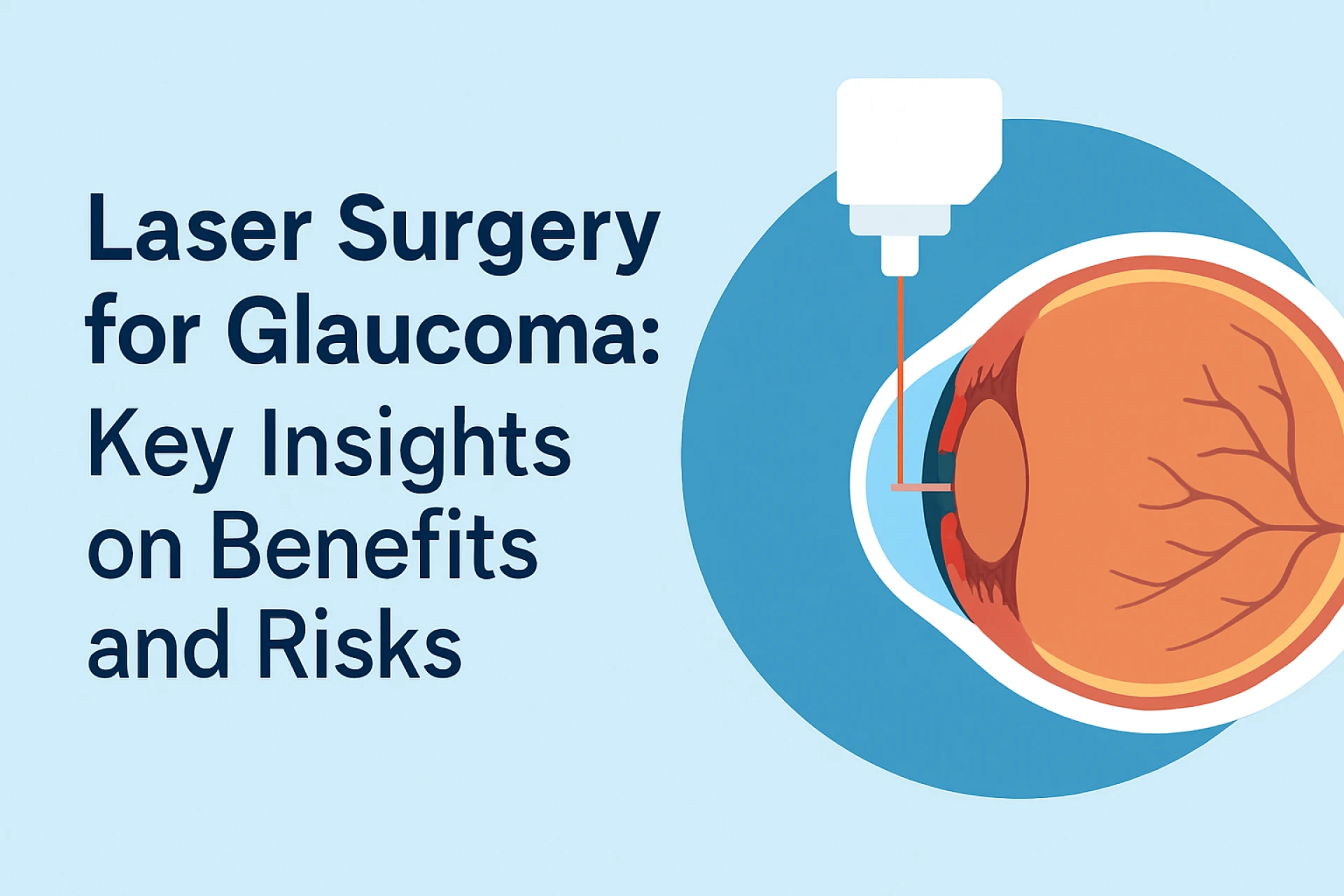
Glaucoma is a progressive eye condition that damages the optic nerve, often due to elevated intraocular pressure (IOP). If not treated in time, it can lead to irreversible loss of vision. While medications and traditional surgeries are commonly used to manage glaucoma, Glaucoma laser therapy options have emerged as minimally invasive and effective alternatives for many patients. This article explores the core aspects of laser treatment, including its types, benefits, risks, and expected outcomes.
Understanding Glaucoma and Its Impact
Glaucoma affects lots of citizens globally and is one of the major causes of blindness. The most common form, open-angle glaucoma, progresses gradually without noticeable symptoms in the early stages. As pressure builds up inside the eye, it begins to damage the optic nerve, leading to blind spots and, eventually, vision loss.
Timely diagnosis and proper treatment are essential in preserving vision. In cases where eye drops or oral medications are ineffective or poorly tolerated, laser surgery offers a valuable alternative.
Types of Laser Surgeries for Glaucoma
There are many ways of laser treatment controlling the type and severity of glaucoma:
- Selective Laser Trabeculoplasty (SLT):
- This procedure is typically used for open-angle glaucoma. It targets specific cells in the eye's drainage angle to improve fluid outflow and reduce pressure.
- Argon Laser Trabeculoplasty (ALT):
- ALT also enhances fluid drainage but is more thermal in nature. It's often used as an alternative when SLT isn’t available or hasn’t provided
- Laser Peripheral Iridotomy (LPI):
- LPI is designed for angle-closure or narrow-angle glaucoma, where a small opening is made in the iris to enhance fluid drainage. .
- Cyclophotocoagulation (CPC):
- Used for more advanced cases, this method reduces fluid production in the eye by targeting the ciliary body.
Although each type of laser surgery has a different application, all aim to lower intraocular pressure and prevent further optic nerve damage.
Benefits of Laser Surgery for Glaucoma
Laser therapy provides several advantages compared to other forms of glaucoma management:
- Minimally invasive: No slits are needed, lowering the chance of disease or scarring.
- Quick recovery: Most procedures are outpatient and take just a few minutes, with minimal downtime.
- Effective pressure control: Countless affected patients face a significant reduction in eye pressure post-procedure.
- May reduce dependence on medication: Some individuals can lower or stop using eye drops following laser treatment.
- Repeatable: Especially in the case of SLT, procedures can be safely repeated if necessary.
Risks and Side Effects to Consider
Although laser surgery is generally safe, like any medical procedure, it does come with potential risks:
- Temporary inflammation: After healing, slight worry, redness, or hazy vision can appear.
- Pressure spikes: Some patients may experience a short-term increase in eye pressure immediately following the procedure.
- Incomplete response: Not all patients respond to laser surgery, and some may require additional treatments or medication.
- Repeat procedures: The effects of laser therapy may diminish over time, particularly in chronic cases.
It’s important to discuss your individual condition and health status in detail with your ophthalmologist to determine whether laser treatment is appropriate.
Expected Results and Long-Term Outlook
Laser surgery can significantly lower eye pressure for many individuals, slowing the progression of glaucoma. However, it’s not a cure. Regular eye exams and ongoing monitoring remain essential. In some cases, laser therapy serves as an initial treatment, while in others, it complements ongoing medication or traditional surgery.
Many patients report improved quality of life after undergoing laser procedures, especially those who have struggled with medication side effects or adherence issues. With consistent follow-up and good eye care habits, the results of laser surgery can be long-lasting and highly effective in preserving vision.
When to Consider Laser Treatment for Glaucoma
Laser surgery might be an appropriate option if:
- Prescriptions are no longer operational or allowed
- You prefer a non-invasive treatment option
- Your glaucoma is progressing despite traditional care
- You’re at a stage of eyesight loss and need further vision care.
What to Expect During the Procedure
Laser treatments are typically performed in a clinic setting and follow a simple process:
- Preparation: Your eye is numbed with drops, and a special lens is placed to focus the laser.
- Laser application: The doctor uses targeted light to treat the drainage tissue or iris.
- Recovery: You may rest briefly afterward and use anti-inflammatory drops for a few days.
Many patients continue standard actions the same day or the following day.
Key Takeaways
- Laser surgery offers a safe and effective way to reduce elevated eye pressure caused by glaucoma
- It can ease the need for medications and reduce speed of disease progression.
- Not all patients respond the same, and regular check-ups are still required.
- Discuss your specific situation with an eye care professional to determine the best treatment path.