Looking good can boost your confidence. As you get older, damage from the sun, spots, blemishes and your environment can take their toll on your skin's appearance. As you get older, you may be concerned with fine lines and wrinkles, skin that is rough or pigmented.
Laser resurfacing Cape Town treatments offer an advanced approach to skin rejuvenation. By using controlled laser energy to remove or treat damaged skin layers, this procedure encourages the natural healing process and supports collagen production. Understanding what happens before, during and after treatment can help you make a more informed decision.
What Is Laser Resurfacing?
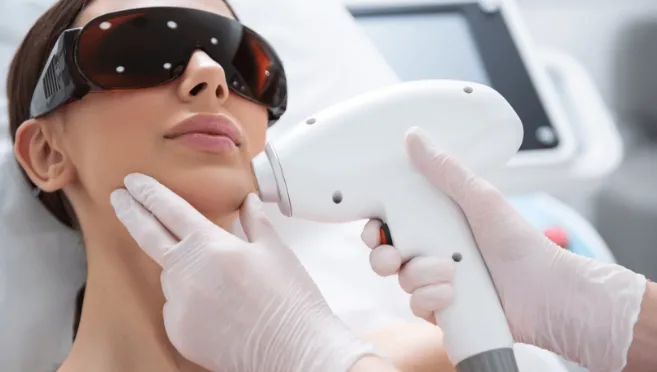
Laser resurfacing is the use of concentrated laser light to treat and remodel the skin. It may target the upper skin layers (ablative laser technology) or may stimulate collagen production under the surface of the skin (non-ablative laser technology).
This may support the improvement of a number of skin issues, such as:
- Fine lines and wrinkles
- Acne scars and other visible scars
- Sun-damaged skin
- Irregular skin texture
- Chosen pigmentation problems
- Deep lines around the mouth and eyes
At Atlantic Dermatology & Laser, we offer a wide range of treatment options including the laser-based treatment known as the Tunable Resurfacing Laser (TRL). Treatment depth may be tailored based on your unique skin care needs and treatment goals.
What to Expect Before Laser Resurfacing
Getting ready plays a big role in a safe and successful result. Prior to having the procedure performed, you will have a consultation with an experienced Cape Town, laser resurfacing provider.
As part of this appointment the practitioner will examine your skin to determine its current state, level of sensitivity, pigmented skin history and your skin concerns. They will also ask about your current use of skincare products, medical history and what your goals are.
You may receive personalised preparation instructions, which can include:
1. Keep Out of Direct Sunlight
Sun exposure can make you vulnerable to more pigmented marks before your treatment. If you have a tan or have sun damaged skin, you may be more susceptible to excess pigmentation. Use broad-spectrum spf when outside.
2. Mention Medications and Skincare
Inform your practitioner of all the medicines, vitamins and skin care products you are using. Some products and medicines can cause your skin to be more sensitive or affect the healing process. Do not stop any medication until after speaking with your doctor.
3. Follow Your Pre-Treatment Skincare Plan
Some of your skins can be prepped with some skin care products on the lead up to your treatment based on your skin type. It is advised not to add any other actives that your clinic did not advise you to without their guidance.
4. Determine Your Time To Recover
There is some downtime after ablative laser resurfacing. Make sure to set aside time in your schedule to recover-particularly if you are receiving a deeper treatment.
What Happens During the Treatment?
The treatment area is cleansed and prepped on the scheduled day. You may be given a topical anaesthetic cream to numb the area depending on the type of laser, depth and treated area.
Ablative laser resurfacing involves the use of precise laser energy to eliminate specific layers of damaged skin. It also triggers the body's healing response and boosts collagen development.
The depth of treatment can be tailored to the patient's skin needs and treatment goals using the TRL technology at Atlantic Dermatology & Laser.
The length of the procedure is determined by the treatment area and the number of passes required. Your practitioner will discuss what to expect prior to treatment.
What to Expect After Laser Resurfacing
Your skin requires time to heal and recover following treatment. It is common to have some redness, swelling, temperature and sensation, comparable to a sunburn. Peeling, crusting and some brief sensation are common following the deeper type of treatment.
During recovery, follow these important aftercare recommendations:
- Maintain the cleanliness of your treated area following your practitioner's advice.
- Apply recommended moisturizers or healing ointments.
- Avoid picking, scratching or peeling loose skin.
- Never let your skin be exposed to the sun while it's healing.
- Don't use exfoliating products or strong actives until the OK.
- Switch to a broad spectrum sunscreen once your practitioner has approved.
Recovery time varies by individual. The more ablative the treatment, the longer your downtime is likely to be, when compared to lighter resurfacing treatments. Notify your practitioner if you are experiencing increased pain, extending redness, fever, pus or other signs of potential infection.
When Will You See Results?
Laser resurfacing will take time to see results as your skin heals and new collagen is formed. As the peeling and healing phase are over, you might start to notice improved appearance, texture and skin smoothness.
Collagen Remodelling will be occurring for weeks and months after your treatment. Depending on your skin type and the depth of your treatment, your practitioner will be able to advise you as to when you will see results and whether further treatments will be necessary.
Results may be different. Laser resurfacing cannot prevent the effects of ageing, and has no effect on very deep scars or lines.
Is Laser Resurfacing Suitable for Everyone?
Not all skin types or skin issues are appropriate for laser resurfacing. Your natural skin color, history of pigmentation, current skin problems, medications, and healing capabilities will all be taken into account prior to treatment.
Individuals with darker skin types or prior post-inflammatory hyperpigmentation should take additional precautions as some resurfacing techniques may carry a higher risk of pigmentation or other undesirable side effects. Other side effects may include infection, reactivation of cold sores and, in rare cases, scarring.
It is possible to evaluate whether a handpiece for ablative resurfacing, a handpiece for non-ablative laser treatments or an alternative form of skin rejuvenation is a better choice.
Choose Professional Laser Resurfacing in Cape Town
It's not just about the laser Treatment decision making is only part of the equation. Skin evaluation, appropriate technology, treatment parameters and tailored post-care are all steps to ensure a great experience.
We offer the newest solutions for skin rejuvenation at Atlantic Dermatology & Laser so that our patients can decide what best meets their needs.
Book a consultation if you are thinking about Laser resurfacing Cape Town to determine the condition of your skin, the results, possible risks and recovery.