Introduction
Lower back pain is a widespread health concern that affects millions of people worldwide. While many cases of back pain are temporary and improve with rest, persistent or severe discomfort may be linked to spinal disc problems. One common condition affecting the lower spine is an L5-S1 Disc Bulge.
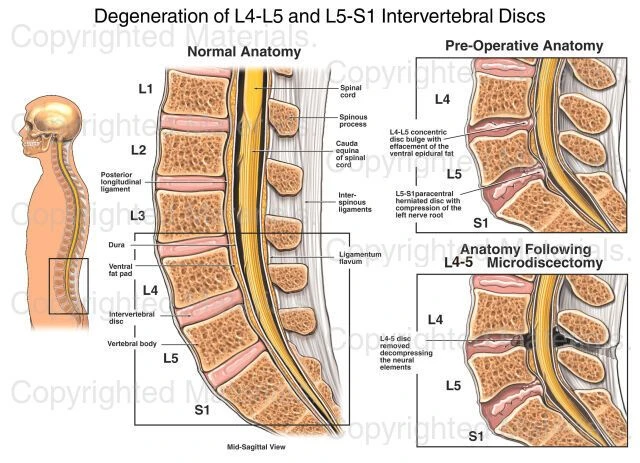
The L5-S1 segment is located at the base of the lumbar spine where the lower back connects with the sacrum. This spinal level supports a large portion of the body’s weight and is involved in everyday movements such as bending, twisting, and lifting. Because of the constant pressure placed on this region, the disc located at this level is particularly vulnerable to damage.
Understanding What is L5-S1 disc bulge, recognizing early symptoms, and learning about available treatment options can help patients manage the condition effectively and support long-term spinal health.
What Is L5-S1 Disc Bulge?
Many patients experiencing persistent back pain often ask their doctor What is L5-S1 disc bulge and how it develops.
The human spine consists of vertebrae separated by soft intervertebral discs that act as cushions. These discs absorb shock and allow the spine to move smoothly during daily activities.
An L5-S1 Disc Bulge occurs when the disc between the fifth lumbar vertebra and the first sacral vertebra protrudes outward beyond its normal position. This bulging disc may irritate nearby spinal nerves, causing pain, numbness, or weakness in the lower back and legs.
Because the L5-S1 level carries significant body weight and movement stress, it is one of the most common locations where disc bulges develop.
L5-S1 Disc Bulge Causes
Several factors contribute to disc bulging in the lower spine. Understanding the L5-S1 disc bulge Causes can help individuals adopt preventive lifestyle habits.
Age-Related Disc Degeneration
As people age, spinal discs naturally lose water content and elasticity. This process weakens the outer layer of the disc, making it more susceptible to bulging.
Repetitive Physical Stress
Occupations and activities involving repetitive bending, lifting, or twisting can place excessive strain on the lower spine.
Common examples include:
• Construction work
• Warehouse jobs
• Heavy manual labor
Over time, these activities may contribute to an L5-S1 Disc Bulge.
Poor Posture
Poor posture can significantly increase pressure on the lumbar spine.
Examples include:
• Slouching while sitting
• Sitting for long hours without proper back support
• Improper workstation ergonomics
These habits can gradually damage the spinal discs.
Injury or Sudden Trauma
Accidents, sports injuries, or sudden twisting movements may damage the spinal discs and lead to bulging.
Excess Body Weight
Carrying excess body weight increases pressure on the lower spine and may accelerate disc degeneration.
Recognizing these L5-S1 disc bulge Causes is important for preventing spinal problems.
Symptoms of L5-S1 Disc Bulge
The symptoms of L5-S1 disc bulge can vary depending on the severity of the disc protrusion and nerve involvement.
Some individuals may experience mild back discomfort, while others may develop severe pain affecting daily activities.
Common Symptoms
Typical symptoms of L5-S1 disc bulge include:
• Persistent lower back pain
• Pain radiating to the buttocks or legs
• Tingling sensation in the legs or feet
• Numbness in the lower limbs
• Muscle weakness in the legs
These symptoms may worsen with prolonged sitting, bending, or lifting heavy objects.
Sciatica Symptoms
Because the L5-S1 disc lies close to the sciatic nerve, a bulging disc may compress this nerve and cause sciatica.
Common sciatica symptoms include:
• Sharp pain radiating from the lower back to the leg
• Burning sensation along the nerve path
• Numbness or tingling in the foot
• Difficulty walking or standing for long periods
Early diagnosis is important to prevent worsening nerve compression.
Diagnosis of L5-S1 Disc Bulge
Accurate diagnosis helps determine the severity of the condition and guide appropriate treatment.
Doctors usually use a combination of physical examination and imaging tests to diagnose an L5-S1 Disc Bulge.
Physical Examination
During the consultation, the doctor may:
• Evaluate the patient’s posture and spinal movement
• Check muscle strength in the legs
• Test reflexes and nerve responses
Imaging Tests
Advanced imaging tests help confirm the diagnosis and assess disc damage.
Common tests include:
• MRI scans to detect disc bulging and nerve compression
• CT scans for detailed spinal imaging
• X-rays to examine spinal alignment
These diagnostic tools help doctors design an effective treatment plan.
L5-S1 Disc Bulge Treatment Options
Treatment depends on the severity of symptoms and the degree of nerve compression. Many patients recover with conservative treatment methods.
Non-Surgical Treatment
Most patients improve with L5-S1 disc bulge treatment without surgery.
Common conservative treatments include:
• Pain relief medications
• Physiotherapy and rehabilitation exercises
• Anti-inflammatory medications
• Heat and cold therapy
Physiotherapy helps strengthen muscles around the spine and improve flexibility.
Lifestyle Modifications
Lifestyle changes can support recovery and reduce stress on the spine.
Helpful lifestyle changes include:
• Maintaining a healthy body weight
• Practicing correct posture
• Avoiding heavy lifting
• Performing regular back-strengthening exercises
These measures improve the effectiveness of L5-S1 disc bulge treatment.
Surgical Treatment
If conservative treatments fail to relieve symptoms, surgery may be recommended.
Common surgical procedures include:
• Microdiscectomy
• Spinal decompression surgery
• Minimally invasive spine surgery
Patients seeking advanced treatment may consult the Best Hospital for Spine Surgery in Delhi NCR for expert care and modern surgical facilities.
Recovery Tips for L5-S1 Disc Bulge
Recovery depends on the severity of the condition and adherence to treatment.
Helpful recovery tips include:
• Follow the physiotherapy program recommended by your doctor
• Maintain proper posture during daily activities
• Avoid prolonged sitting or heavy lifting
• Perform regular stretching and strengthening exercises
These steps can help individuals recover more effectively from an L5-S1 Disc Bulge.
Preventing L5-S1 Disc Problems
Although not all spinal conditions can be prevented, certain habits can reduce the risk of disc injury.
Preventive measures include:
• Maintaining correct posture while sitting and standing
• Exercising regularly to strengthen core muscles
• Taking breaks during long periods of sitting
• Using safe lifting techniques
These habits help protect the spine and reduce the risk of developing an L5-S1 Disc Bulge.
Conclusion
Lower back pain can greatly affect mobility and overall quality of life. One of the common spinal conditions responsible for persistent back pain is the L5-S1 Disc Bulge, which occurs at the base of the lumbar spine.
Understanding What is L5-S1 disc bulge, recognizing the symptoms of L5-S1 disc bulge, and identifying the L5-S1 disc bulge Causes can help patients seek early treatment and prevent complications. Many individuals recover successfully with conservative treatments such as physiotherapy, medications, and lifestyle modifications. In severe cases, surgical intervention may be required.
If symptoms continue to worsen, consulting a spine specialist or visiting the Best Hospital for Spine Surgery in Delhi NCR can help ensure proper diagnosis and effective treatment for long-term spinal health.