Becoming a Java Full Stack Developer is a rewarding career path that combines expertise in both front-end and back-end development using Java, one of the most versatile and widely-used programming languages. This comprehensive roadmap outlines the essential steps, skills, and resources, including insights into Java Course in Delhi, Full Stack Java Developer Training, and Java Course Fees, to guide you toward mastering this in-demand profession.
Introduction to Java Full Stack Development
A Java Full Stack Developer is proficient in building end-to-end web applications, handling everything from user interfaces to server-side logic and databases. Java’s robustness, scalability, and extensive ecosystem make it a top choice for enterprise-level applications, e-commerce platforms, and more. The demand for skilled Java Full Stack Developers is high, especially in tech hubs like Delhi, where opportunities abound in startups, IT firms, and multinational corporations.
To embark on this journey, you need a structured plan that covers foundational programming, front-end and back-end technologies, and practical experience. Whether you’re a beginner or an experienced developer looking to upskill, this roadmap will help you navigate the path to success.
Step 1: Understand the Role and Skill Requirements
Before diving into technical skills, familiarize yourself with the responsibilities of a Java Full Stack Developer. You’ll need to:
- Design interactive front-end interfaces using HTML, CSS, JavaScript, and frameworks like Angular or React.
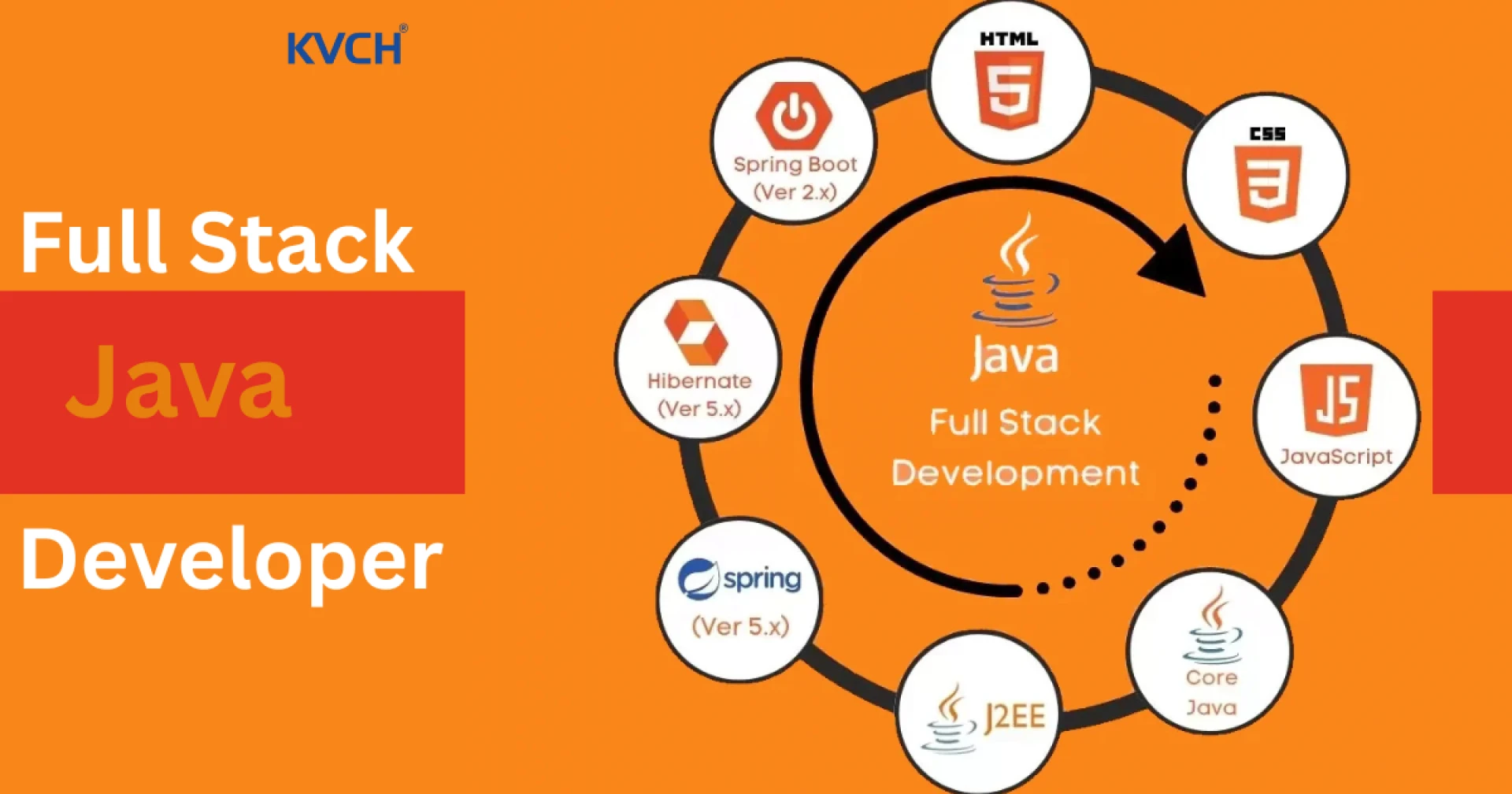
- Develop robust back-end systems using Java, Spring Boot, and Hibernate.
- Manage databases with SQL or NoSQL systems like MySQL or MongoDB.
- Integrate APIs, ensure security, and optimize application performance.
- Deploy applications using cloud platforms like AWS or Azure.
Key skills include problem-solving, version control (Git), and familiarity with Agile methodologies. Understanding these requirements will help you choose the right Full Stack Java Developer Training program.
Step 2: Learn Core Java Programming
Java is the backbone of full stack development, so start by mastering Core Java. Focus on:
- Basics: Variables, data types, operators, loops, and conditionals.
- Object-Oriented Programming (OOP): Classes, objects, inheritance, polymorphism, encapsulation, and abstraction.
- Collections Framework: Lists, Sets, Maps, and their implementations.
- Exception Handling: Try-catch blocks, custom exceptions.
- Multithreading: Threads, synchronization, and concurrency.
Resources:
- Online platforms like Codecademy, Udemy, or Coursera offer beginner-friendly Java courses.
- Books like “Head First Java” by Kathy Sierra and Bert Bates or “Java: The Complete Reference” by Herbert Schildt.
- Consider enrolling in a Java Course in Delhi for hands-on guidance. Many institutes in Delhi, such as NIIT, Aptech, or Coding Ninjas, offer structured programs with experienced instructors.
Java Course Fees in Delhi typically range from ₹15,000 to ₹50,000, depending on the institute, course duration (3-6 months), and whether it’s online or offline. Some institutes bundle Core Java with advanced topics, making it cost-effective.
Step 3: Master Advanced Java Concepts
Once comfortable with Core Java, dive into Advanced Java to handle enterprise-level applications. Key areas include:
- Java EE (Enterprise Edition): Servlets, JSP (JavaServer Pages), and JDBC for database connectivity.
- Spring Framework: Learn Spring Core, Spring MVC, and Spring Boot for building scalable web applications.
- Hibernate: Understand ORM (Object-Relational Mapping) for seamless database interactions.
- RESTful Web Services: Create APIs using Spring REST.
Resources:
- Official Spring documentation and tutorials on spring.io.
- Online courses like “Spring & Hibernate for Beginners” on Udemy.
- Full Stack Java Developer Training programs often cover Advanced Java alongside front-end technologies, providing a holistic learning experience.
Step 4: Build Front-End Development Skills
A Java Full Stack Developer must create user-friendly interfaces. Start with:
- HTML & CSS: Learn to structure and style web pages. Explore CSS frameworks like Bootstrap or Tailwind CSS for responsive designs.
- JavaScript: Master DOM manipulation, events, and ES6 features (arrow functions, destructuring, etc.).
- Front-End Frameworks: Choose Angular, React, or Vue.js. Angular integrates well with Java back-ends, while React is popular for its flexibility.
Resources:
- FreeCodeCamp for HTML, CSS, and JavaScript tutorials.
- Official documentation for Angular or React.
- Many Java Course in Delhi programs include front-end modules, ensuring you gain full stack expertise. Check institutes like Ducat or Croma Campus for comprehensive curricula.
Step 5: Explore Database Management
Databases are critical for storing and retrieving application data. Learn:
- SQL Databases: MySQL or PostgreSQL for relational database management. Focus on queries, joins, indexes, and normalization.
- NoSQL Databases: MongoDB for handling unstructured data.
- JDBC and Hibernate: Connect Java applications to databases efficiently.
Resources:
- W3Schools for SQL tutorials.
- MongoDB University for NoSQL courses.
- Full Stack Java Developer Training often includes database modules, with practical projects to reinforce learning.
Step 6: Learn DevOps and Deployment
To deploy applications, familiarize yourself with DevOps tools and practices:
- Version Control: Use Git and GitHub for code management.
- Build Tools: Learn Maven or Gradle for Java project automation.
- CI/CD: Understand Jenkins or GitHub Actions for continuous integration and deployment.
- Cloud Platforms: Explore AWS, Azure, or Google Cloud for hosting applications.
- Containerization: Use Docker and Kubernetes for scalable deployments.
Resources:
- YouTube tutorials on Git and Docker.
- AWS Free Tier for hands-on cloud experience.
- Some Java Course in Delhi programs include DevOps basics, especially in advanced full stack tracks.
Step 7: Work on Real-World Projects
Hands-on experience is crucial. Build projects to apply your skills and create a portfolio. Ideas include:
- E-Commerce Platform: Implement product listings, cart functionality, and payment integration using Spring Boot and React.
- Blog Application: Create a CRUD (Create, Read, Update, Delete) app with Java EE, MySQL, and Angular.
- Task Management System: Develop a full stack app with user authentication, REST APIs, and a front-end dashboard.
Tips:
- Host projects on GitHub to showcase your code.
- Deploy applications on Heroku, Vercel, or AWS for live demos.
- Many Full Stack Java Developer Training programs offer capstone projects, guided by mentors, to simulate real-world scenarios.
Step 8: Enroll in a Structured Training Program
While self-learning is valuable, a structured course accelerates your progress. Java Course in Delhi options are abundant, with institutes offering both online and classroom training. Benefits include:
- Expert Guidance: Learn from industry professionals.
- Comprehensive Curriculum: Covers Core Java, Advanced Java, front-end frameworks, databases, and DevOps.
- Placement Assistance: Many institutes, like Simplilearn or Javatpoint, partner with companies to help graduates secure jobs.
When evaluating programs, consider:
- Course Content: Ensure it covers full stack development, including Spring Boot, Hibernate, and a front-end framework.
- Duration and Flexibility: Part-time or weekend batches suit working professionals.
- Java Course Fees: Compare costs and check for EMI options or scholarships. Fees for full stack courses in Delhi range from ₹30,000 to ₹1,00,000, depending on the institute and course depth.
Top institutes for Full Stack Java Developer Training in Delhi include:
- NIIT: Known for industry-aligned curricula and placement support.
- Coding Blocks: Offers intensive bootcamps with project-based learning.
- Ducat: Specializes in Java and full stack development with experienced trainers.
Step 9: Prepare for Job Interviews
As you near the end of your learning journey, prepare for interviews to land a Java Full Stack Developer role. Focus on:
- Technical Skills: Be ready to code in Java, solve DSA (Data Structures and Algorithms) problems, and explain Spring Boot or Hibernate concepts.
- System Design: Understand how to design scalable applications, including microservices architecture.
- Soft Skills: Communicate your thought process clearly during coding interviews.
Resources:
- Practice on LeetCode, HackerRank, or GeeksforGeeks for coding challenges.
- Study system design concepts on Educative.io or YouTube.
- Mock interviews offered by Java Course in Delhi programs can boost confidence.
Step 10: Stay Updated and Keep Learning
Technology evolves rapidly, so continuous learning is essential. Follow these practices:
- Stay Updated: Read blogs on Medium, DZone, or the Spring blog for Java trends.
- Contribute to Open Source: Participate in GitHub projects to gain experience and network.
- Certifications: Pursue certifications like Oracle Certified Professional: Java SE Programmer or Spring Professional Certification to enhance your resume.
Full Stack Java Developer Training programs often provide lifetime access to resources, helping you stay current.
Why Choose Delhi for Java Full Stack Training?
Delhi is a thriving tech hub with a robust IT ecosystem, making it an ideal location for aspiring developers. Benefits include:
- Access to Top Institutes: Renowned centers offer Java Course in Delhi with cutting-edge curricula.
- Networking Opportunities: Connect with industry professionals through meetups and tech events.
- Job Market: Delhi’s proximity to Noida and Gurgaon, home to tech giants like TCS, Infosys, and Accenture, ensures ample job opportunities.
When budgeting, factor in Java Course Fees and living expenses if relocating. Online courses are a cost-effective alternative, with fees as low as ₹10,000 for self-paced programs.
Conclusion
Becoming a Java Full Stack Developer requires dedication, but the rewards—lucrative salaries, diverse projects, and career growth—are worth it. By following this roadmap, mastering Core and Advanced Java, building front-end and back-end skills, and enrolling in a Java Course in Delhi or Full Stack Java Developer Training, you’ll be well-equipped to excel in this field. Evaluate Java Course Fees, choose a reputable institute, and start building your portfolio today. With persistence and continuous learning, you’ll transform into a confident, job-ready Java Full Stack Developer.