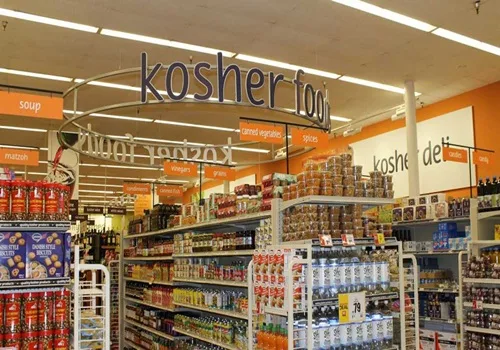
Snacks and beverages are among the fastest-moving categories in Indian food. Namkeen, chips, extruded snacks, biscuits, juices, energy drinks and ready-to-drink products all compete for shelf space at home and abroad. As these brands expand into international markets, more buyers ask for kosher certification before they agree to stock them. This guide explains what snack and beverage brands should know about the process, which ingredients get extra attention, and how to prepare.
If you want to begin with expert support, you can explore Kosher Certifications Services built for Indian food and beverage businesses.
Why Snack and Beverage Brands Should Care
Both categories sell on trust and repeat purchase. A shopper who picks up a snack or a drink abroad often has only the label to go on. A kosher symbol tells them, and the retailer, that an independent body has reviewed the ingredients and the process. For the brand, certification can mean:
- Access to international retailers that require certified products.
- A wider customer base, including kosher-observant shoppers, vegetarians and people who prefer verified labelling.
- Stronger positioning in a crowded market.
- Easier approval with distributors and private-label partners.
A valid Kosher Certificate in India lets you answer a buyer's request immediately instead of starting the process only after the enquiry arrives.
Snacks: Where the Attention Goes
Snacks look simple, but their ingredient lists are often long. Here are the areas an agency will review.
Frying oils and fats. The type and source of oil matters, and so does what else has been fried in the same fryer. Shared fryers need documented cleaning and clear rules.
Seasonings and coatings. Spice blends, flavour powders, cheese-style seasonings and sauces often contain many small ingredients from different suppliers. Each one needs verification.
Flavour enhancers and colours. These have complex sources and are among the most common reasons for corrections.
Dairy ingredients. Cheese powders, whey, milk solids and butter flavours can change a snack's category from pareve to dairy.
Release agents and processing aids. Oils or sprays used on belts, trays and moulds must also be approved.
Shared lines. Extruders, ovens, seasoning drums and packing machines used for several products need a clear cleaning and separation plan.
A trusted Kosher Certification Agency will go through these points before the inspection so you know what to fix in advance.
Beverages: Where the Attention Goes
Beverage makers face their own set of questions.
Flavours. Natural and artificial flavours can contain many components, and each needs a known source.
Colours and sweeteners. These must be reviewed just like any other ingredient.
Grape-derived ingredients. Grape juice, grape concentrates and some clarifying agents follow stricter rules than most other ingredients, so they get closer scrutiny.
Stabilisers and clarifying agents. Used in juices and clear drinks, these processing aids can come from sources that need checking.
Vitamins and functional additives. Energy and health drinks often contain vitamins, amino acids and botanical extracts from varied suppliers.
Tanks, pipelines and filling lines. Cleaning between different products, especially flavoured or dairy-based drinks, should be documented.
Because beverages are often produced in shared facilities, careful planning with your agency helps avoid surprises during the audit.
The Certification Process
- Application: share company, product and facility details.
- Documentation: provide ingredient lists, supplier information, flow charts and equipment lists.
- Ingredient review: every ingredient, additive and processing aid is checked.
- Facility inspection: an inspector visits your plant to verify what you declared.
- Corrections: complete any changes, such as replacing an ingredient or adding a cleaning step.
- Certificate issued: you receive approval and symbol guidelines.
- Supervision and renewal: audits and annual renewal keep the certificate valid.
Many brands prefer a local Kosher certification agency in india for this work, because it understands Indian suppliers, plant setups and production schedules.
What Good Support Looks Like
Not every provider offers the same level of service. Reliable Kosher certification services india for snack and beverage brands should include:
- Ingredient and formula review
- Facility inspection and corrective guidance
- Category classification (dairy or pareve)
- Label and symbol approval
- Help when you launch new flavours or variants
- Renewal reminders and support with buyer documents
Since snack and beverage brands often launch new flavours and limited editions, quick responses from your agency matter a great deal.
Keeping Costs Under Control
Fees depend on the number of products, the complexity of formulas, the size of the plant and how often supervision is needed. A brand with a short range will cost less than one with dozens of flavours. Companies searching for Kosher india services at affordable rates can manage cost by:
- Certifying core products and best-selling flavours first.
- Limiting the number of sensitive ingredients in new formulas.
- Preparing complete documents before applying.
- Fixing known equipment or cleaning issues in advance.
- Grouping new flavour launches into fewer review rounds.
Regional Notes for Snack and Beverage Businesses
Production hubs and supply chains differ across India, and local knowledge speeds up inspections and follow-up.
Delhi: The capital region has a large concentration of snack makers, packaged-food companies and beverage brands. Businesses here can look at Kosher certification in Delhi to support domestic growth and exports.
Bangalore: Startups, health-drink makers and specialty snack brands are common here, and many plan for global shelves early. Explore Kosher certification in Bangalore for support that keeps pace with frequent launches.
Chennai: With a busy port and strong packaged-food and beverage industries, Chennai suits exporters. Learn about Kosher certification in Chennai if you ship from the south.
Bhopal: Central India's food-processing sector is growing, including grain-based snacks and juices. Producers can consider Kosher certification in Bhopal without relocating operations.
Common Problems and How to Avoid Them
Unchecked seasoning blends. Ask suppliers for full ingredient and source details, not just a product name.
Shared fryers and lines. Write down cleaning steps and make sure operators follow them every time.
Grape-derived ingredients in beverages. Flag these to your agency early, since they follow stricter rules.
Wrong category on the label. A snack with a dairy seasoning cannot be marked pareve. Confirm the category before printing.
New flavours launched without approval. Every variant needs review before it carries the symbol.
Supplier substitutions. Ask suppliers to notify you before changing any ingredient or source.
Expired certificate. Track your renewal date and act early.
Practical Tips for Growing Brands
- Build a kosher check into your product development process, so new flavours are reviewed before launch.
- Keep a master sheet of approved ingredients and suppliers.
- Train production and packing staff on cleaning and separation routines.
- Store approved label artwork in one folder and reuse only the latest versions.
- Send your certificate and certified product list to buyers as soon as you have them.
Snack and Beverage Readiness Checklist
- Complete ingredient list for every product and flavour
- Supplier and source details for seasonings, flavours, colours and additives
- Equipment list showing shared and dedicated items
- Written cleaning procedures for fryers, lines, tanks and filling machines
- Dairy and pareve separation plan, where relevant
- Label artwork ready for review
- Staff briefed on procedures
- Renewal date noted in the calendar
Final Thoughts
Snack and beverage brands move fast, and kosher certification needs to keep up. The businesses that do best treat it as part of their product development and quality routine, not as a last-minute document. With organised records, careful ingredient control and a responsive partner, certification becomes a tool for winning buyers instead of a hurdle.
When you are ready, get in touch with a trusted Kosher Certification India provider and start preparing your snacks and beverages for global markets.