India’s beverage industry covers a wide range of products: packaged juices, coconut water, soft drinks, energy drinks, flavored milk, lassi, tea and coffee blends, instant drink premixes, sherbets, syrups and ready-to-mix powders. Brands in this space supply supermarkets, hotels, airlines, cafés, quick-commerce platforms and export buyers.
Liquids and powders are often more complex than they look. A bottle of juice may contain concentrates, flavors, colours, acids, stabilizers and preservatives, and a drink mix may combine dozens of components. This guide explains how beverage and ready-mix makers can approach kosher certification, what gets reviewed and how to prepare.
Why Beverage Brands Look at Kosher Certification
Beverages are widely distributed and often used as ingredients in cafés and food service. A kosher certificate can help by:
- Supporting approvals from importers, distributors and retail chains
- Making supply to hotels, airlines and event caterers easier
- Appealing to observant consumers as well as vegetarians, people managing allergies and quality-conscious families
- Giving a young or regional brand a clear, independent trust credential
What Gets Reviewed in a Beverage Business
Juice Concentrates and Purees
Fruit and vegetable concentrates, purees and pulps are reviewed for source and processing, including any treatments before they reach your plant.
Flavors and Colours
Natural and artificial flavors and food colours are among the most closely reviewed items. A single flavor can contain several components, so full details from suppliers are important.
Acids, Sweeteners and Stabilizers
Citric acid, other acidulants, sugar, syrups, sweeteners, pectin, gums and emulsifiers each need clear specifications.
Preservatives, Vitamins and Functional Additives
Energy drinks and fortified beverages often include vitamins, amino acids, herbal extracts and other functional ingredients. These are reviewed component by component.
Dairy-Based and Dairy-Containing Drinks
Flavored milk, lassi, buttermilk, milkshakes and drinks with milk powder receive close attention, including cultures, enzymes and shared equipment.
Tea, Coffee and Herbal Blends
Blends with added flavors, spices, herbs or sweeteners need ingredient-level documentation.
Processing Equipment
Blending tanks, pasteurizers, homogenizers, fillers, capping machines and carbonation units are often shared. Cleaning-in-place routines and changeover steps matter.
Packaging
Bottles, cans, pouches, sachets and cartons carry the symbol, so artwork should be approved before printing.
Ready Mixes and Premix Powders
Instant drink mixes and premixes can combine many ingredients in one sachet. To prepare:
- List every component in each mix, including carriers and anti-caking agents
- Collect written details from every supplier of flavors, colours and additives
- Keep formulation records locked once approved
- Tell your certifier before changing any component or supplier
- Document how blending equipment is cleaned between different mixes
How Businesses in Different Cities Can Prepare
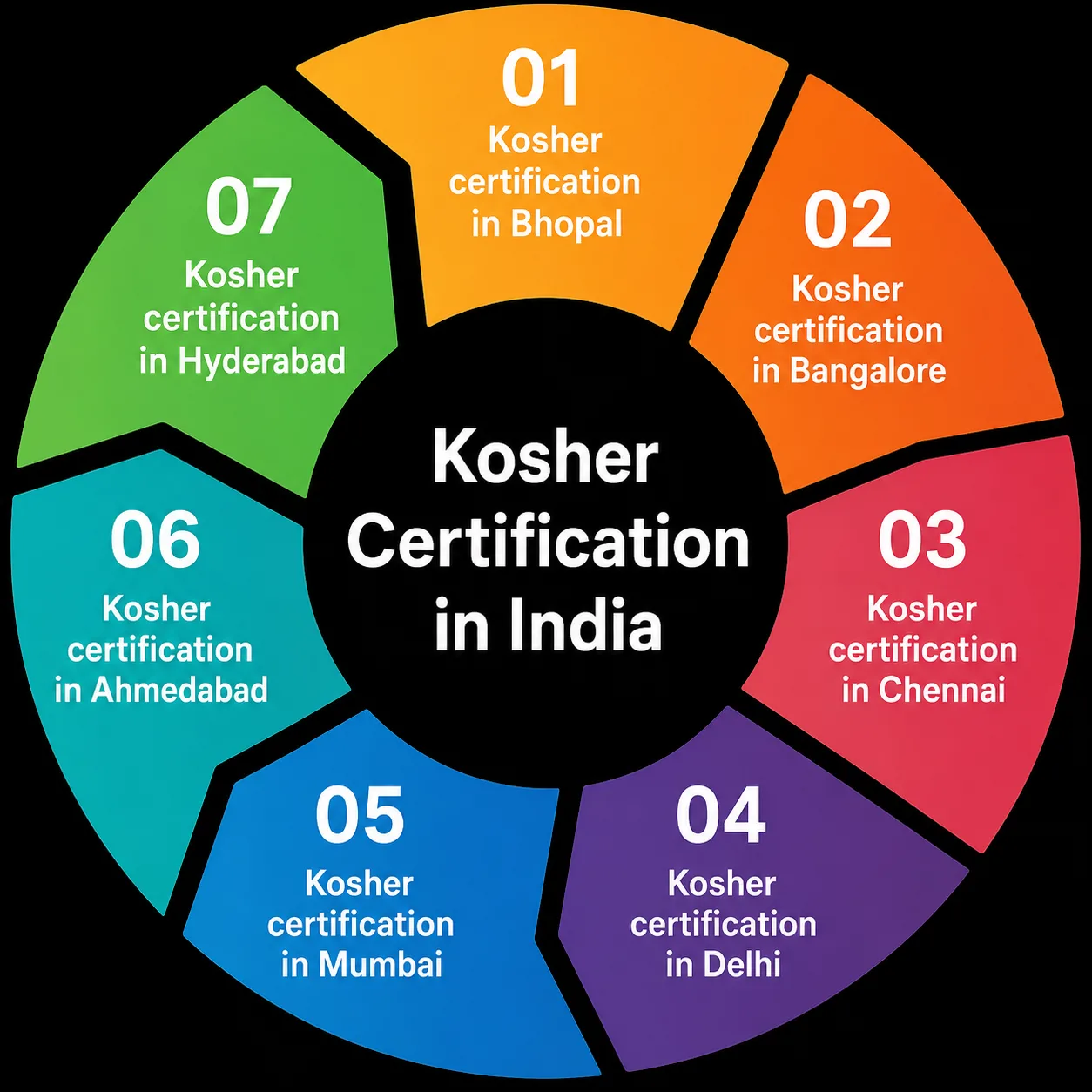
Beverage makers operate across India with different strengths and customers.
In Mumbai, juice, drink and mixer brands often serve cafés, hotels, retail chains and export buyers. For Kosher certification in Mumbai, prepare detailed flavor and colour specifications, since overseas buyers frequently ask for them.
In Delhi, beverage and ready-mix makers supply retail, hospitality and institutional buyers. Businesses planning Kosher certification in Delhi should decide which products to certify first and keep product names consistent across invoices and labels.
In Bangalore, many newer beverage brands focus on functional drinks, cold-pressed juices and premium mixes, and some rely on co-packers. For Kosher certification in Bangalore, confirm that your filling partner follows your approved recipes and cleaning rules.
In Chennai, beverage and packaged drink makers often connect with port logistics for export. Planning Kosher certification in Chennai means keeping label artwork and certificate copies ready before shipments are booked.
In Hyderabad, processors are expanding into juices, drink bases and ready mixes. For Kosher certification in Hyderabad, update your equipment map whenever a new product shares a line.
In Ahmedabad, makers of sherbets, syrups, flavored milk and instant mixes often work with seasonal peaks. Those pursuing Kosher certification in Ahmedabad should plan dairy-containing drinks and shared equipment carefully.
In Bhopal, regional producers of juices, tea blends and traditional drinks are reaching beyond their home markets. For Kosher certification in Bhopal, start with a small range of well-documented products.
How to Prepare a Beverage Business
- List your products and every flavor, variant and pack size.
- Build a master ingredient sheet covering concentrates, flavors, colours, acids, sweeteners, stabilizers, vitamins and processing aids.
- Ask suppliers for written details on source and composition, and for kosher certificates where available.
- Map your equipment, including tanks, pasteurizers, fillers and capping machines, and note what is shared.
- Write down cleaning and changeover routines, including cleaning-in-place steps.
- Keep batch records and invoices organized.
- Name one coordinator for the certifier and for buyers.
Planning New Flavors and Seasonal Drinks
Beverage brands often launch seasonal and limited-edition flavors.
- Submit new flavors for approval before production begins
- Group several flavors into one request where possible
- Avoid last-minute flavor or supplier substitutions
- Tell your certifier before changing a concentrate or a flavor blend
- Do not announce a drink as kosher until it is approved
Packaging and Labelling
- Use the kosher symbol only on approved products
- Follow the certifier’s rules on size, placement and wording
- Share artwork for approval before printing labels, caps, sleeves and cartons
- Confirm that the rules apply to multipacks, sample packs and bulk cartons
- Update labels when a recipe, supplier or status changes
How the Certification Process Works
- Application: Submit your company details and product list.
- Ingredient review: Each raw material, additive, flavor and processing aid is checked.
- Facility inspection: An inspector reviews equipment, production lines, storage and cleaning routines.
- Corrections, if needed: You receive clear guidance on any changes.
- Certificate issuance: You receive the certificate and symbol usage rules.
- Supervision and renewal: Periodic inspections and annual renewals keep it valid.
Keeping Costs Reasonable
Beverage makers can control costs by:
- Certifying only the products they plan to sell as kosher
- Keeping ingredient and supplier documents organized from the start
- Submitting new flavors in batches
- Preparing the plant and filling lines before each inspection
- Asking for a clear written fee breakdown at the beginning
A low price is only useful if buyers accept the certificate, so confirm which certifying bodies your target importers and retailers recognize before you decide.
Choosing the Right Partner
Look for a partner who understands liquids, blends and premixes. Ask:
- Is your certificate accepted by importers and retailers in my target markets?
- Have you worked with beverage and ready-mix manufacturers?
- How do you review flavors, concentrates and functional additives?
- Are fees, timelines and renewal terms explained in writing?
- Who answers buyer questions after certification?
Common Mistakes Beverage Brands Make
- Assuming a juice or drink is automatically kosher. Flavors, colours, concentrates, processing aids and equipment can change a product’s status, even when the main ingredient is simple.
- Accepting vague flavor descriptions such as “natural flavor” without detail
- Overlooking functional additives in energy and fortified drinks
- Ignoring shared filling lines and unclear changeover routines
- Changing suppliers or recipes without informing the certifier
- Printing labels before artwork approval
- Choosing only on price without checking buyer acceptance
- Letting the certificate expire during a seasonal or export cycle
Beverage Business Readiness Checklist
Before you apply, confirm that you have:
- A final list of products, flavors and pack sizes
- A master ingredient sheet with supplier details
- Written flavor, colour and additive specifications
- Kosher certificates for raw materials where available
- A map of tanks, pasteurizers, fillers and capping machines
- Written cleaning and changeover procedures
- Batch records and invoices within reach
- Packaging artwork ready for approval
- A named coordinator for all kosher matters
Final Thoughts
Beverages and ready mixes are easy to enjoy and surprisingly complex to document. Kosher certification asks you to know every concentrate, flavor, colour and additive in your products, to control your filling lines and to report every change. Businesses that do this well find that the same discipline improves quality and speeds up buyer approvals.
Whether your company is in Mumbai, Delhi, Bangalore, Chennai, Hyderabad, Ahmedabad or Bhopal, start with your best-selling products, organize your supplier records and choose a certifying partner whose certificate your buyers recognize. A well-documented drink is ready to be poured anywhere.