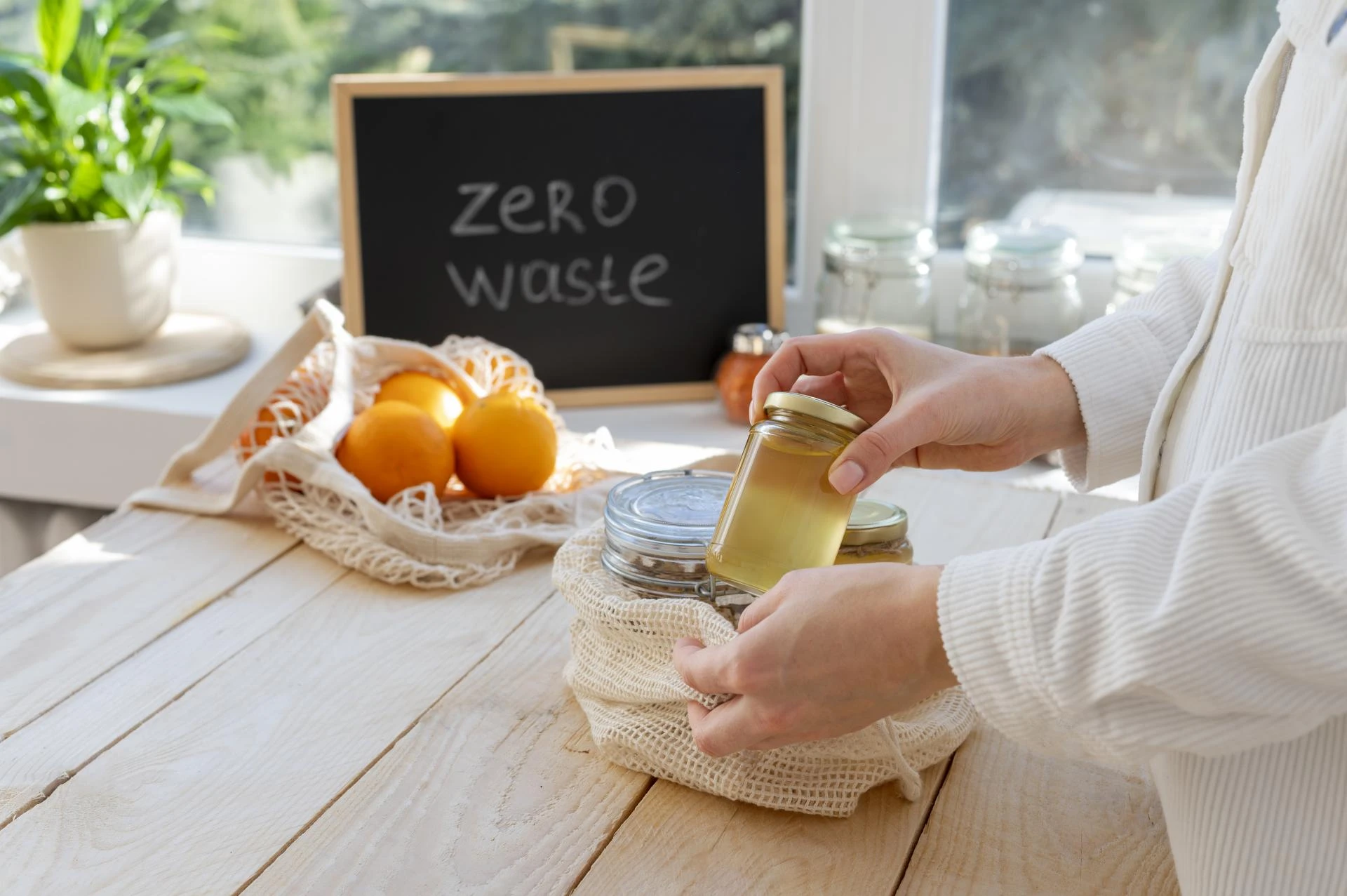
Ever felt that quiet guilt when you throw away wilted spinach or a forgotten tub of leftovers?
We’ve all been there! The truth is, most kitchens waste more food than we realize.
It’s not because we don’t care, but because of how we store, plan, and stock groceries in our fridges. We live in a system that isn’t designed for awareness.
However, there’s good news: things are changing across homes and restaurants alike. Today, there’s greater awareness of zero waste in restaurants, with more reusable bags and bamboo staws.
Besides, it’s now entering the heart of every home: the kitchen.
Therefore, this blog takes a closer look at sustainable kitchen products for zero waste and smarter food storage. Let’s get started.
Understanding the Problem: Where Food Waste Actually Happens
Food waste rarely looks ideal. It happens slowly: a few strawberries here, half a loaf there. Statistics from the Food and Agriculture Organization suggest that around one-third of food globally goes uneaten each year.
In homes, the main culprits are:
- Buying more than needed (thanks to big packaging or impulse sales).
- Forgetting what’s in the fridge.
- Improper storage reduces the life of food items.
- Confusion around the food labels (“best before”, ≠ “bad after”).
Interestingly, that’s where smarter kitchen tools help you leverage simple tools, build habits, and shift how we see our food.
The Shift Toward Smarter Kitchens
Technology is no longer just for chefs and gadget lovers.
Everyday households are now adopting “smart kitchen ecosystems,” a fancy term for connected tools and thoughtful storage designs that reduce waste.
Imagine your fridge reminding you when the milk is about to expire. Or containers that track how long food has been inside. Some systems already do that. But even without high-tech gear, small behavioral changes can make a massive difference.
At the core, a zero-waste kitchen isn’t about buying more products. It’s about designing flow: how food moves from purchase to plate.
Smarter Food Storage: It Starts with Visibility
You can’t save what you can’t see.
Open most refrigerators, and you’ll find produce tucked behind jars, leftovers buried under milk cartons, and mystery containers in the back. Visibility is everything.
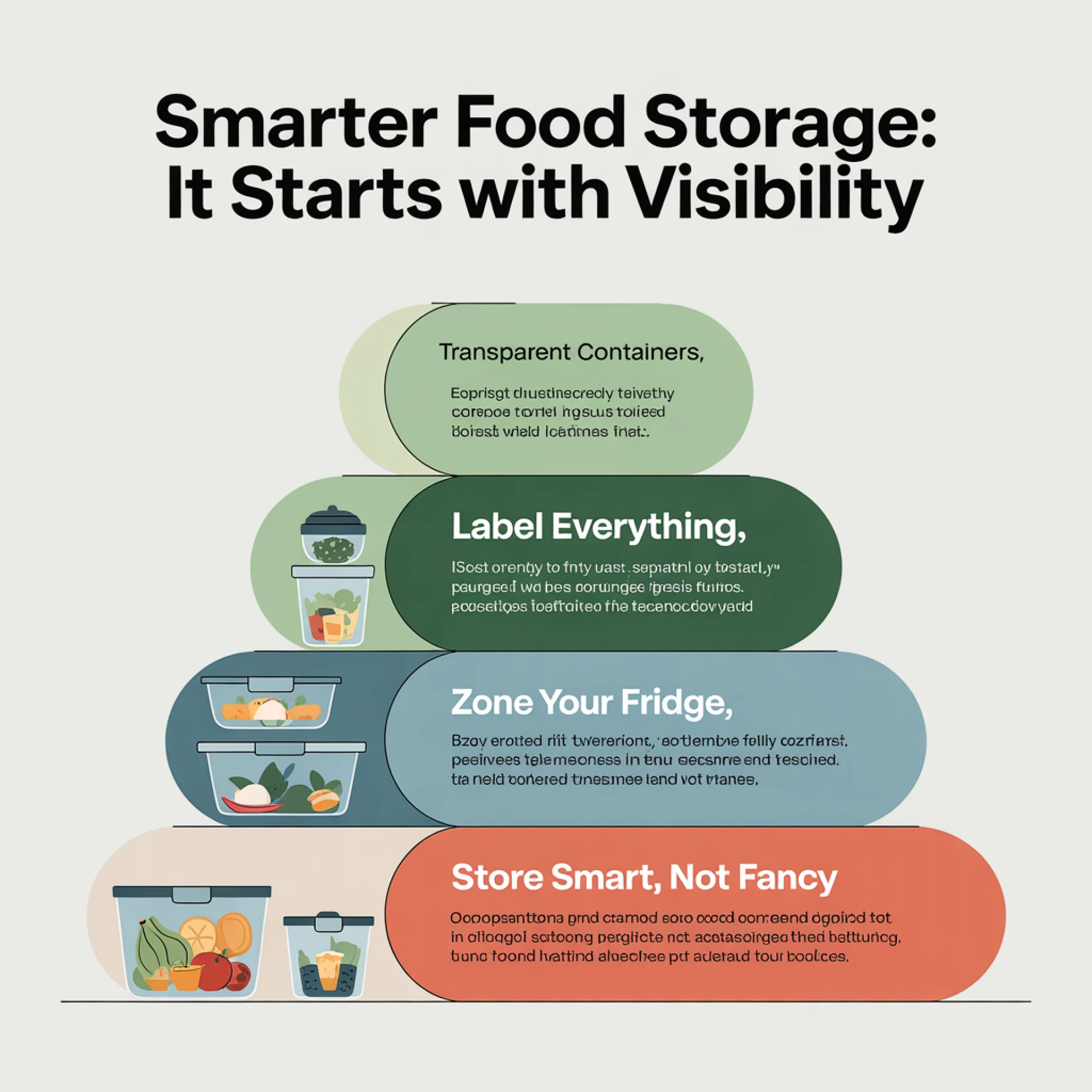
Here’s how to rethink your setup:
1. Transparent Containers
Simple, stackable glass or BPA-free plastic containers do wonders. Seeing food makes you more likely to eat it. Plus, they prevent the “out of sight, out of mind” problem.
2. Label Everything
Write dates directly on containers. Use a dry-erase marker on glass or tape on plastic. It takes seconds but saves hours of guessing later.
3. Zone Your Fridge
Top shelf: Ready-to-eat items.
Middle: Store dairy and leftovers.
Bottom drawers: Use this space wisely to store everyday items.
4. Store Smart, Not Fancy
Use airtight jars for grains, breathable baskets for onions, and cloth bags for herbs. It’s not about aesthetic Pinterest setups: it’s about airflow, moisture, and access.
Tools That Help You Waste Less
You don’t need a kitchen full of gadgets, but a few clever additions can make sustainability easier:
- Vacuum sealers extend shelf life for meats, soups, and sauces.
- Silicone food bags are a better choice than single-use plastic bags since they keep food fresher for longer.
- Compostable containers make it easier to dispose. They let you throw things in the bin without worrying about the potential adverse effects.
- Beeswax wraps and other reusable wraps keep fruits and vegetables fresh without trapping moisture.
Keep in mind that the key is to choose tools that fit with what you already do, not ones that require you to change your routines.
Planning: The Real Game Changer
If smart storage is the engine, smart planning is the steering wheel.
Here’s a truth few admit: food waste is often a planning issue, not a moral one.
You might have good intentions, but without a clear flow:
buy → prep → store → use = food gets lost.
Practical habits to try:
- Plan meals around what you already have. Check your fridge before shopping.
- Shop twice a week instead of bulk-buying. Fresh food lasts, but your memory doesn’t.
- Prep immediately after buying. Wash and chop veggies the day you get them; it makes cooking effortless later.
- Batch cook and freeze smartly. Label portions and dates. Rotate older containers forward.
Remember, it’s all about closing the loop between intention and reality.
Zero Waste Beyond Storage
Food waste isn’t only about what you throw away; it’s also about what you could use but don’t.
Food waste isn’t only about what you throw away; it’s also about what you could use but don’t and choosing eco-friendly products from the sustainable marketplace can help reduce that waste.
- Regrow Scraps: Green onions, lettuce, and celery; they all regrow in water. A small windowsill garden is both aesthetic and functional.
- Reuse Cooking Water: The water you boil pasta or vegetables in is full of nutrients. Cool it down and use it for soups or plants.
- Creative Leftovers: Think of your fridge as a challenge, not a chore. Leftover rice? Turn it into fried rice or soup. A few roasted veggies? Blend them into the sauce.
- Composting: Even the best planners produce scraps. Composting completes the cycle, turning waste into nourishment for something new.
If you dn’t have a garden, many cities now have local compost pickup programs or community drop-offs.
The Psychology of Waste
Here’s something people rarely talk about: food waste isn’t just a logistical problem. It’s emotional.
Throwing food away feels bad because it is bad, not just financially, but symbolically as well. It represents effort, care, and intention lost. That’s why zero-waste living isn’t a trend. It’s a quiet return to respect for what we buy, cook, and consume.
Once you start paying attention, you notice how much calmer your kitchen feels. Less clutter, fewer half-used items, more control. It’s not about being perfect; it’s about being aware.
A Small Step, Big Impact
If you change just one thing this week, start with visibility. Open your fridge and rearrange it so everything’s in plain sight. Write dates. Stack clearly.
It sounds too simple to matter, but it’s the start of every sustainable habit. Awareness leads to intention. Intention leads to action.
Over time, small improvements within your kitchen help you waste less and save more.
Final Thought
A zero-waste kitchen isn’t built overnight. It evolves, one container, one habit, one leftover at a time.
Remember, smarter living isn’t about futuristic kitchen gadgets. It’s a thoughtful, consistent, and quietly human effort to save more, waste less.