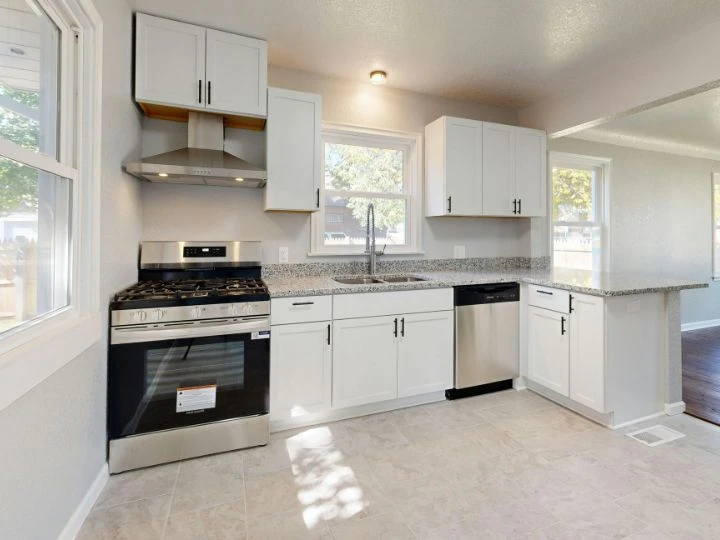
A kitchen renovation is one of the most valuable upgrades for any home, improving both functionality and lifestyle. However, without proper planning, it can also become stressful and costly. Many homeowners make avoidable mistakes that affect the final result. Understanding these issues before starting a kitchen renovation helps ensure a smoother process and a better outcome.
Poor Planning and Unrealistic Expectations
One of the most common mistakes in a kitchen renovation is starting without a clear plan. A kitchen is a highly functional space, so every detail matters, from layout to storage and appliance placement. Without proper planning, it is easy to overlook important elements that affect daily use.
Unrealistic expectations can also lead to disappointment. Some homeowners expect a complete transformation without considering space limitations or budget constraints. A successful kitchen renovation requires balancing design goals with practical limitations.
Ignoring the Importance of Layout
The layout is the foundation of any kitchen renovation. Poorly positioned appliances, limited bench space, or inefficient workflow can make the kitchen difficult to use. The working triangle between the stove, sink, and fridge should be carefully considered for maximum efficiency.
Rushing the layout stage often results in costly changes later. Taking time to plan a functional design ensures the kitchen supports everyday cooking and movement.
Choosing Style Over Function
While aesthetics are important, prioritising style over functionality is a common mistake. A visually appealing kitchen renovation may still fail if it lacks practicality. For example, glossy surfaces may look modern but can be difficult to maintain in busy households.
Durability should always be a priority. Materials such as quality cabinetry, moisture resistant surfaces, and strong benchtops ensure the kitchen remains functional over time. A balance between design and usability is essential.
Underestimating Storage Needs
Insufficient storage is another frequent issue in kitchen renovation projects. A cluttered kitchen reduces efficiency and makes daily tasks more difficult. Without proper storage planning, even a large kitchen can feel disorganised.
Smart storage solutions such as deep drawers, corner cabinets, and overhead shelving can greatly improve functionality. Planning storage early in the renovation process helps avoid space related issues later.
Overlooking Lighting and Ventilation
Lighting and ventilation are often underestimated in a kitchen renovation. Poor lighting can make cooking tasks difficult, while inadequate ventilation can lead to moisture and odour build up.
A combination of task lighting, ambient lighting, and natural light creates a well balanced environment. Proper ventilation ensures a healthier and more comfortable cooking space.
Not Setting a Realistic Budget
Budget mismanagement is a major mistake in kitchen renovation projects. Costs can quickly increase if there is no clear financial plan. Unexpected expenses such as plumbing adjustments or material upgrades can affect the overall budget.
Setting a realistic budget with a contingency allowance helps manage costs more effectively. Careful planning ensures the renovation stays on track financially.
Summary
A successful kitchen renovation requires careful planning, practical decision making, and attention to detail. Avoiding common mistakes such as poor layout, lack of storage, and unrealistic budgeting can make a significant difference. With the right approach, a kitchen renovation can deliver a functional, durable, and enjoyable space for everyday living.
FAQs
1. What is the most common mistake in a kitchen renovation?
Poor planning and an inefficient layout are among the most common mistakes.
2. Why is kitchen layout so important?
A good layout improves workflow, efficiency, and overall usability.
3. How can I avoid storage issues in a kitchen renovation?
Plan storage early using smart solutions like drawers, cabinets, and shelving.
4. Should I prioritise design or function in a kitchen renovation?
Function should always come first, with design supporting practical use.