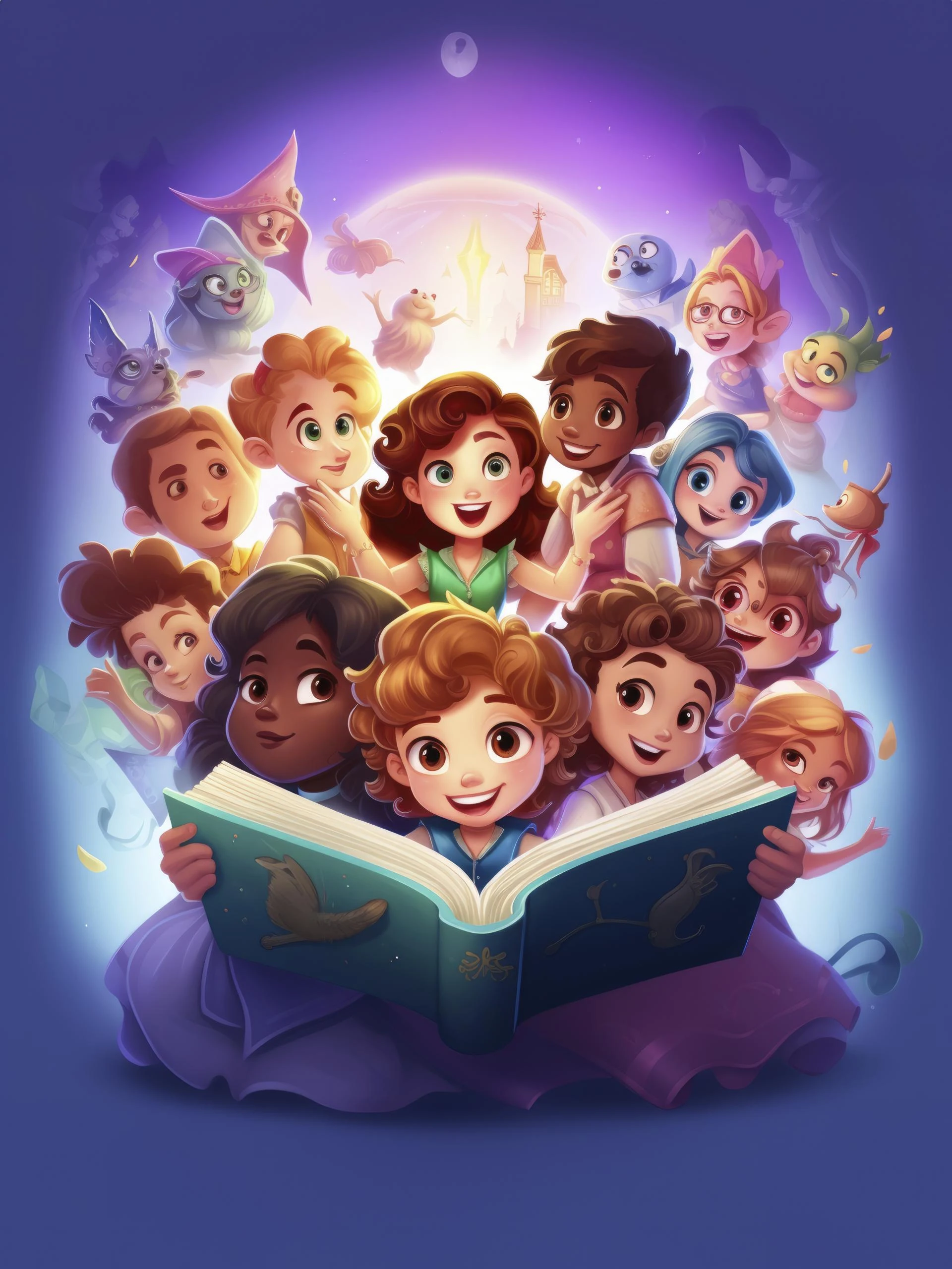
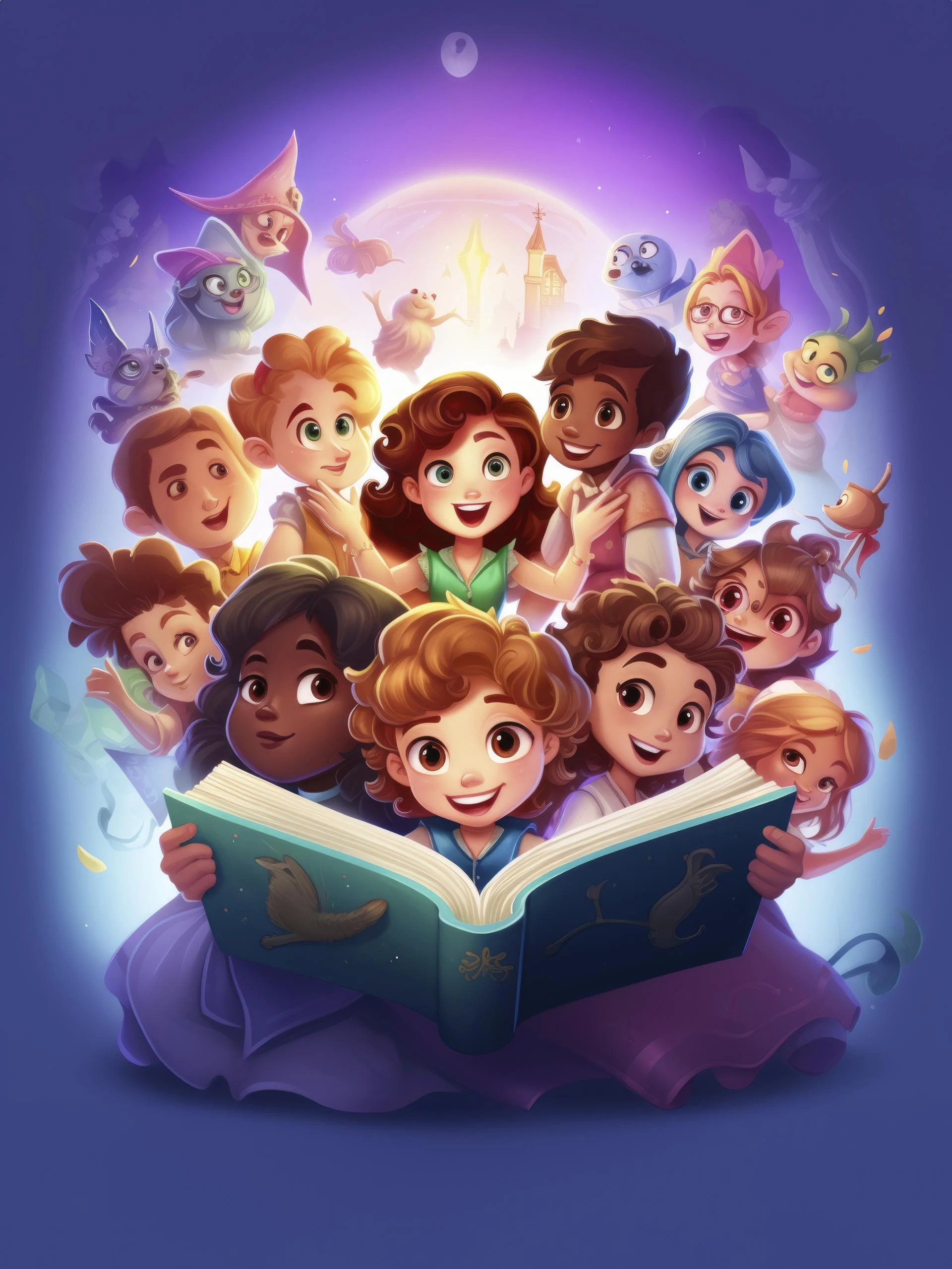
Children and adults both treasure stories from children's books. They stimulate creativity, provide significant lessons, and unlock gateways to magical universes. Young minds view these books as adventures ready to unfold rather than merely words on a page. This guest article examines why children's storybooks are so vital, how they foster development, and what qualifies a story to be really engrossing for young readers.
Why Kids' Storybooks Matter
First and foremost, kids' storybooks help children learn about the world around them. When kids listen to or read stories, they discover new ideas, feelings, and places. This helps them understand people and situations better. For example, a story about friendship can teach kindness, while a tale about animals can introduce facts about nature.
Moreover, storybooks improve language skills. When children hear new words in stories, they learn how to use them in real life. This builds their vocabulary and makes reading easier. Teachers often read aloud to children because it helps them hear the sounds and rhythms of language. This practice supports vocabulary growth and makes learning fun.
In addition, kids' storybooks encourage creativity. When children imagine the characters and settings, they practice thinking in new ways. This creative thinking is important for problem-solving and learning in school and beyond.
What Makes a Kids' Storybook Captivating?
A captivating kids' storybook grabs attention from the very first page. It uses simple, clear language that young readers can understand. Stories for children in early elementary grades usually have short sentences and easy words. This helps kids follow along without getting confused.
Next, a good story has interesting characters. Children love to read about heroes, animals, or magical creatures they can relate to or admire. These characters often face challenges or adventures that keep the story exciting. For example, a brave little mouse or a curious child exploring a forest can make readers eager to turn the page.
Also, the story should have a clear beginning, middle, and end. This structure helps kids understand what is happening and what the story is about. Teachers often teach narrative writing by focusing on this simple structure, which makes stories easier to follow.
Pictures are another important part of kids' storybooks. Bright, colorful images help explain the story and keep children interested. For very young readers, picture books with fewer words and more images are perfect. They allow kids to "read" the pictures and tell the story in their own words
.
How Kids' Storybooks Help Learning
Kids' storybooks do more than entertain—they support learning in many ways. Reading stories aloud in classrooms or at home helps children hear new words and understand their meanings. This is especially helpful for children who are still building their vocabulary.
Furthermore, stories can teach important social skills. When children read about sharing, honesty, or teamwork, they learn how to behave in real life. Stories also help kids understand emotions like happiness, sadness, or fear. This emotional learning is key to developing empathy and kindness.
In addition, reading stories before bedtime can help children relax and prepare for sleep. Some studies show that children remember new words better when they hear them close to bedtime. This means that Storytime is not only fun but also good for brain growth.
Tips for Choosing the Best Kids' Storybooks
When picking kids' storybooks, it is important to think about the child's age and interests. Books for younger children usually have fewer words and more pictures. For example, picture books are great for kids in preschool and early elementary grades. They often have simple stories that are easy to understand.
For older children, chapter books with longer stories and more complex characters are better. These books help kids practice reading longer texts and improve their skills. A middle-grade novel might have around 18,000 words and is aimed at children in grades 3 to 5.
Also, choose books that match the child's interests. If a child loves animals, find stories about pets or wild creatures. If they enjoy magic, look for fairy tales or fantasy books. When children are interested in the story, they are more likely to read and enjoy it.
How to Encourage Kids to Love Storybooks
Parents and teachers play a big role in helping children love kids' storybooks. Reading aloud to children every day is one of the best ways to do this. It creates a special time for bonding and learning. When adults show excitement about the story, children feel excited too.
Another way to encourage reading is to let children choose their own books. When kids pick stories they like, they feel more in control and motivated. Libraries and bookstores often have sections just for kids, making it easy to find fun books.
Also, talking about the story after reading helps children think more deeply. Ask questions like, "What was your favorite part?" or "What would you do if you were the character?" These questions make reading interactive and help kids understand the story better.
The Magic of Storytelling for Young Minds
Storytelling is a powerful tool that has been used for thousands of years. Kids' storybooks continue this tradition by bringing stories to life in a way that children can enjoy and learn from. They help young minds grow by teaching language, values, and creativity.
In fact, many famous authors encourage children to write their own stories. Writing stories helps kids practice their language skills and express their ideas. Contests like the BBC 500 Words invite children to create stories they would love to read, inspiring young writers everywhere With the rise of technology, new tools like AI story generators also help create personalized stories for kids. These tools can spark creativity and make Storytime even more exciting.
Conclusion
In conclusion, kids' storybooks are more than just fun—they are essential for young minds. They teach language, build imagination, and help children understand the world. By choosing the right books and sharing stories regularly, adults can help children develop a lifelong love of reading.
So, whether it is a picture book about animals or a chapter book about adventures, kids' storybooks open doors to endless possibilities. They invite children to dream, learn, and grow. Let’s celebrate these captivating tales that light up young minds every day