
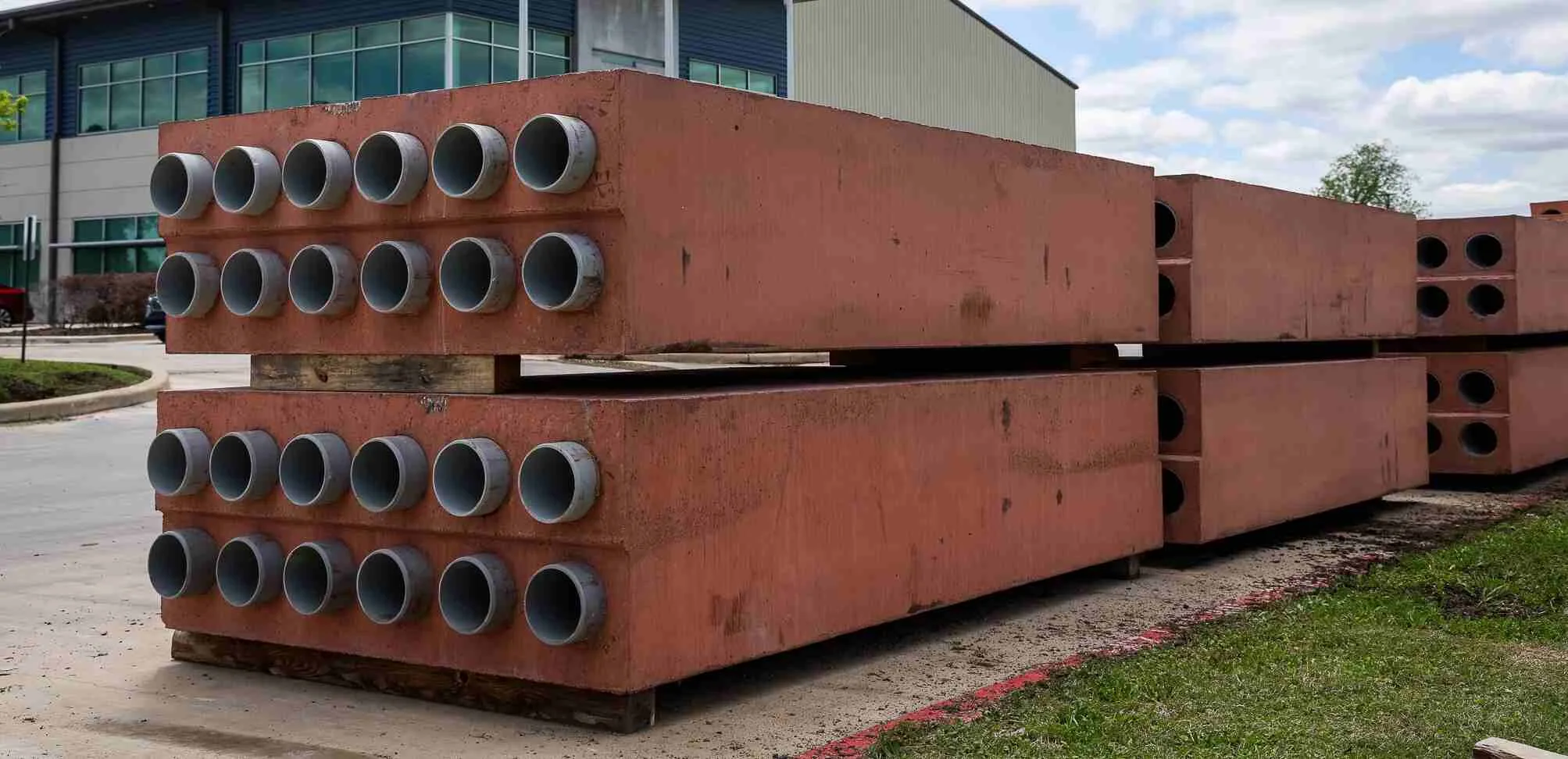
A duct bank system is an essential part of modern electrical construction. It helps carry and protect electrical cables underground. You can find duct bank systems in cities, industrial areas, commercial buildings, and even residential developments.
In this blog, you will learn about the key components of a duct bank system in simple and easy English. Each part plays an important role in making the system safe, strong, and long-lasting.
What Is a Duct Bank System?
A duct bank system is a group of conduits (pipes) that carry electrical cables underground. Workers arrange these conduits in a specific pattern and often cover them with concrete for extra protection.
The system allows multiple cables to run safely in one place. It also protects cables from damage caused by soil pressure, water, and heavy loads from above.
Why Duct Bank Systems Are Important
Duct bank systems are widely used because they offer many advantages:
- They protect cables from physical damage
- They organize cables neatly
- They increase safety in underground systems
- They reduce maintenance and repair costs
- They improve the lifespan of cables
Without duct bank systems, underground cables would be exposed to many risks.
Main Components of a Duct Bank System
A duct bank system includes several important components. Let’s understand each one in detail.
1. Conduits (Ducts)
Conduits are the main part of a duct bank system. These are pipes that carry electrical cables from one point to another.
Common Types of Conduits:
- PVC (Polyvinyl Chloride)
- HDPE (High-Density Polyethylene)
- Steel
- Fiberglass
What Conduits Do:
- Protect cables from damage
- Provide a safe path for cables
- Allow easy cable installation and replacement
Why Conduits Are Important:
Without conduits, cables would be directly exposed to soil, moisture, and pressure. This could lead to damage, short circuits, or system failure.
2. Concrete Encasement
Concrete encasement surrounds the conduits in many duct bank systems. It adds strength and protection.
What It Does:
- Protects conduits from external pressure
- Keeps conduits in place
- Prevents movement and damage
Benefits:
- Increases durability
- Protects against heavy traffic loads
- Provides fire resistance
Example:
In roads and highways, engineers use concrete encasement to protect duct banks from vehicle loads.
3. Duct Spacers
Duct spacers are small supports placed between conduits. They keep the conduits properly spaced.
What Spacers Do:
- Maintain equal spacing between conduits
- Keep conduits aligned during installation
- Allow proper flow of concrete around ducts
Why They Matter:
If conduits touch each other, heat can build up and affect cable performance. Proper spacing helps prevent overheating.
4. Manholes
Manholes are large underground chambers that provide access to the duct bank system.
Features:
- Large enough for workers to enter
- Built at regular intervals
- Covered with heavy lids
What Manholes Do:
- Allow cable pulling and installation
- Provide access for inspection and maintenance
- Help manage cable routing
Example:
You often see manhole covers on roads. These give access to underground systems like duct banks.
5. Pull Boxes
Pull boxes are smaller than manholes. They provide access points where full-size manholes are not needed.
What Pull Boxes Do:
- Help pull cables through conduits
- Reduce tension during cable installation
- Allow changes in cable direction
Advantages:
- Cost-effective
- Easy to install
- Require less space
Example:
Engineers use pull boxes in smaller projects or tight spaces where manholes are not practical.
6. Electrical Cables
Electrical cables are the most important part of the system. They carry power from one place to another.
Types of Cables:
- Power cables
- Communication cables
- Fiber optic cables
What Cables Do:
- Transmit electricity
- Carry signals and data
Why They Are Important:
The entire duct bank system exists to protect and support these cables.
7. Cable Supports
Cable supports are installed inside manholes or pull boxes. They hold cables in place.
What They Do:
- Prevent cables from sagging
- Keep cables organized
- Reduce stress on cables
Importance:
Proper support increases the life of cables and reduces the risk of damage.
8. Warning Tape
Workers place warning tape above the duct bank in the soil.
What It Does:
- Warns people during excavation
- Prevents accidental damage to cables
Benefits:
- Improves safety
- Reduces repair costs
Example:
If someone digs in the area, the tape alerts them before they reach the duct bank.
9. Backfill Material
Backfill is the material used to refill the trench after installing the duct bank.
Common Types:
- Sand
- Gravel
- Soil
What Backfill Does:
- Supports the duct bank
- Protects it from movement
- Helps with drainage
Why It Is Important:
Proper backfill prevents settlement and keeps the system stable.
10. Grounding System
The grounding system protects the duct bank and electrical system from faults.
What It Does:
- Sends fault current safely into the ground
- Protects equipment and people
- Reduces risk of electric shock
Example:
Ground rods and grounding wires are connected to the system.
11. Drainage System
Water can damage cables and conduits. A drainage system removes water from the duct bank.
What It Does:
- Prevents water buildup
- Protects cables from moisture
- Reduces corrosion
How It Works:
Engineers may use gravel layers or drain pipes to allow water to flow away.
12. Expansion Joints
Expansion joints allow the duct bank to expand and contract with temperature changes.
What They Do:
- Prevent cracks in concrete
- Allow movement without damage
Importance:
They increase the durability of the duct bank system.
Design Considerations for Duct Bank Systems
Engineers must carefully plan duct bank systems. They consider several factors:
1. Load Conditions
The system must handle soil pressure, traffic loads, and building loads.
2. Heat Management
Electrical cables produce heat. Proper spacing and materials help reduce overheating.
3. Soil Type
Different soils affect stability and drainage.
4. Depth of Installation
The depth must be enough to protect the system from damage.
5. Future Expansion
Engineers often include extra conduits for future use.
6. Safety Standards
The system must follow electrical and construction codes.
Advantages of a Duct Bank System
A well-designed duct bank system provides many benefits:
- Strong protection for cables
- Long service life
- Easy maintenance
- Safe underground installation
- Better cable organization
Common Problems in Duct Bank Systems
Problems can occur if the system is not designed or installed properly.
Common Issues:
- Water leakage
- Cable overheating
- Conduit damage
- Poor alignment
- Soil settlement
How to Prevent Problems:
- Perform proper soil testing
- Use high-quality materials
- Follow design standards
- Ensure skilled installation
Conclusion
A duct bank system is a key part of underground electrical infrastructure. It protects cables, organizes them, and ensures safe power distribution.
The system includes many important components such as conduits, concrete encasement, spacers, manholes, pull boxes, cables, supports, warning tape, backfill material, grounding, drainage systems, and expansion joints. Each component has a specific role and helps the system work efficiently.