
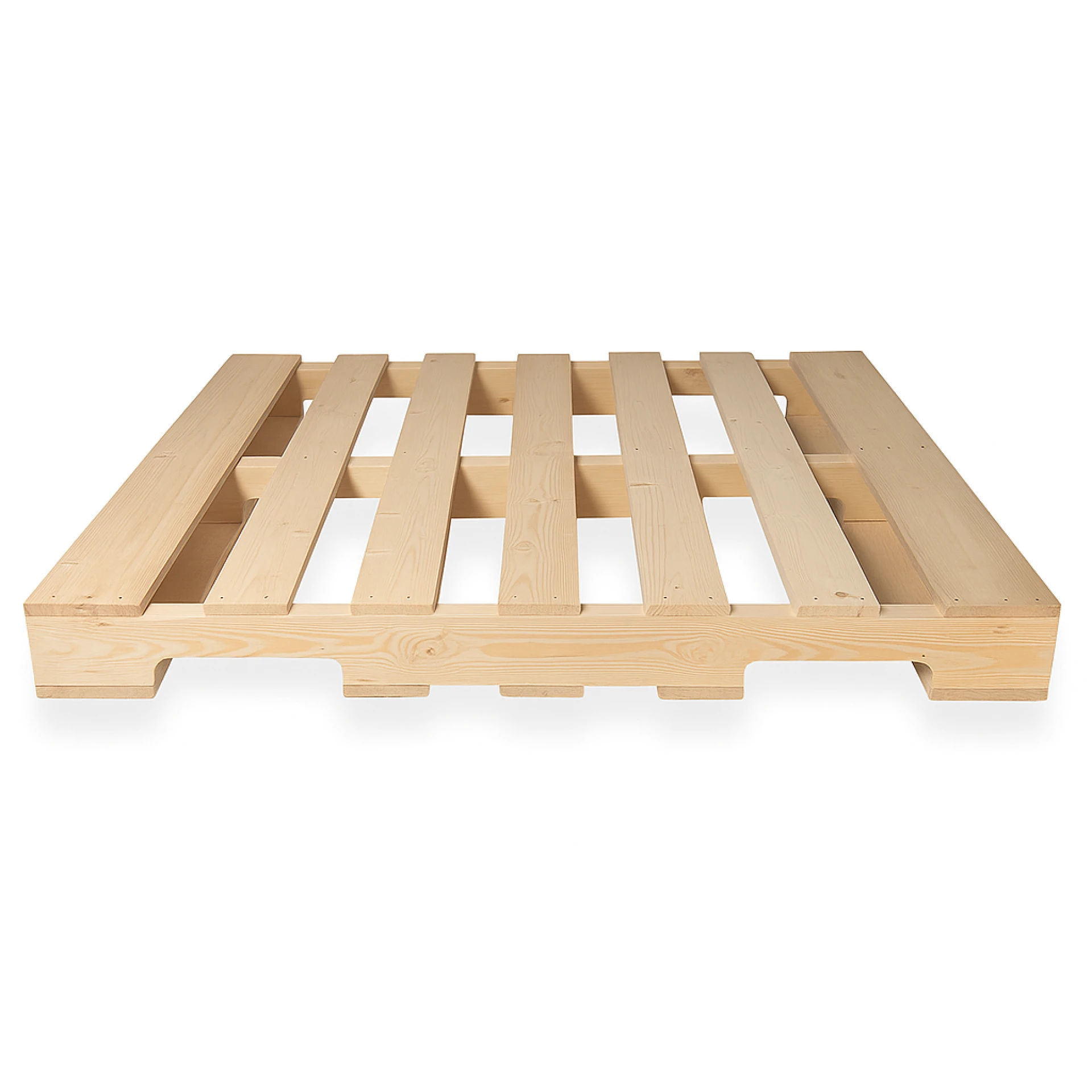
Summary:Wooden pallets play a crucial role in industrial logistics by improving product safety, handling efficiency, and warehouse workflows. This article explores their practical value and why quality manufacturing matters for better material movement.
In modern industrial logistics systems, wooden pallets continue to be one of the most important yet underappreciated elements. Whether in manufacturing plants, warehouses, or transport hubs, these simple wooden platforms ensure that goods can be stored, moved, and managed efficiently.
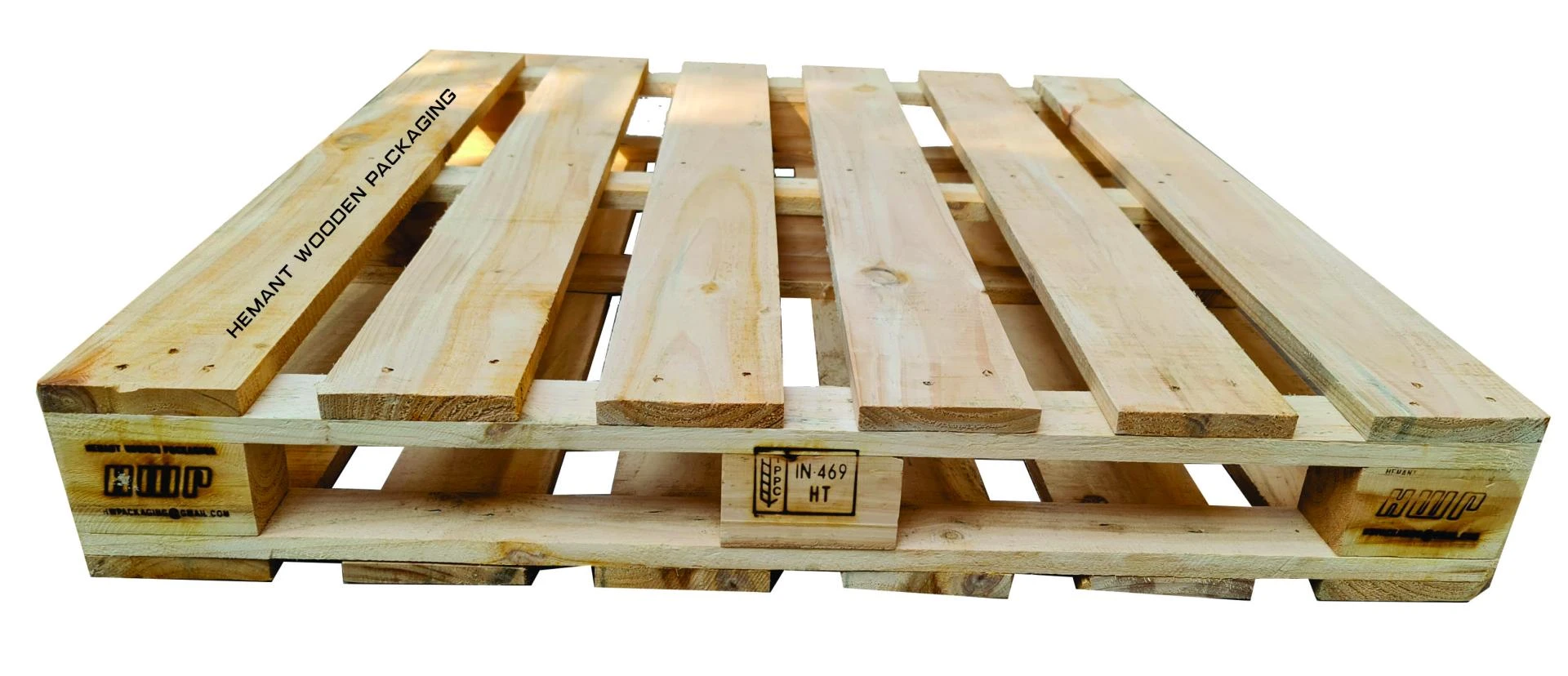
One of the most significant advantages of wooden pallets is their contribution to load stability. Industrial shipments often involve products that vary widely in size, weight, and fragility. Well-manufactured wooden pallets are engineered to distribute weight evenly, reducing pressure on goods and minimizing the risk of damage during lifting, stacking, and transit.
Beyond stability, compatibility with handling equipment is another reason wooden pallets remain indispensable. These pallets are designed with industry-standard dimensions that work seamlessly with equipment such as forklifts, pallet trucks, and warehouse racking systems. When pallets are consistent in size and structural strength, routine logistics tasks become faster and safer, improving overall workflow on the warehouse floor.
Cost-effectiveness is also a key factor driving the continued use of wooden pallets. Compared with many alternative materials, wood strikes a balance between durability and affordability, making pallets a practical solution for businesses looking to optimize packaging expenditures without sacrificing performance. Additionally, if a wooden pallet gets damaged, it can frequently be repaired or repurposed instead of being discarded, further enhancing sustainability and reducing waste.
Sustainability itself is an increasingly important consideration in logistics today. Wooden pallets are made from renewable resources, and when responsibly sourced, they represent an environmentally conscious choice. Many wooden pallet manufacturers now focus on producing pallets that can be reused, repaired, and eventually recycled at the end of their lifecycle, supporting long-term environmental goals.
Understanding these practical aspects helps clarify why wooden pallets remain central to logistics operations. They are not merely wooden platforms; rather, they are engineered tools that improve handling safety, operational efficiency, and cost control throughout the supply chain. Quality manufacturing ensures that businesses can rely on their pallets to meet the demands of regular use while supporting worker safety and goods protection.
In my professional experience with Hemant Wooden Packaging Private Limited, I have observed firsthand how thoughtfully designed pallets can make a measurable difference in daily operations. Whether it is reducing breakage rates during transport or streamlining load handling in busy warehouses, the impact of quality pallets is evident. These observations inform my belief that understanding logistics fundamentals—including pallet usage—can help industries refine their material handling strategies and enhance overall productivity.