Kenya is not one landscape but many. A single country holds sweeping savannah, volcanic highlands, soda lakes turned pink by flamingos, dense forest, and a warm Indian Ocean coastline. This variety is exactly why Kenya tours differ so much from one traveler's itinerary to the next a trip built around the Maasai Mara looks nothing like one centered on Lake Nakuru or the coast, because each region has its own climate, terrain, and resident wildlife.
Understanding these regional differences is the first real step in planning any trip to Kenya, whether you're comparing Kenya safari packages or simply trying to picture what the country actually looks like beyond the postcard images.
Why Kenya's Regions Vary So Much
Kenya sits on the equator, but its geography swings from near sea level at the coast to over 5,000 metres at the peak of Mount Kenya. The Great Rift Valley cuts through the country from north to south, creating a chain of lakes, escarpments, and volcanic soils that support very different ecosystems within short driving distances of one another. This is why a traveler can start a morning in dry, dusty acacia scrub and end the afternoon beside a freshwater lake thick with birdlife.
The Rift Valley's Role in Shaping Wildlife Habitats
The Rift Valley lakes Nakuru, Naivasha, Bogoria, and others sit at different altitudes and mineral compositions. Some are alkaline and support massive flamingo populations; others are freshwater and favor hippos, waterbuck, and fish-eating birds. This single geological feature explains much of the ecological diversity found across central and southern Kenya.
The Maasai Mara: Grassland and the Great Migration
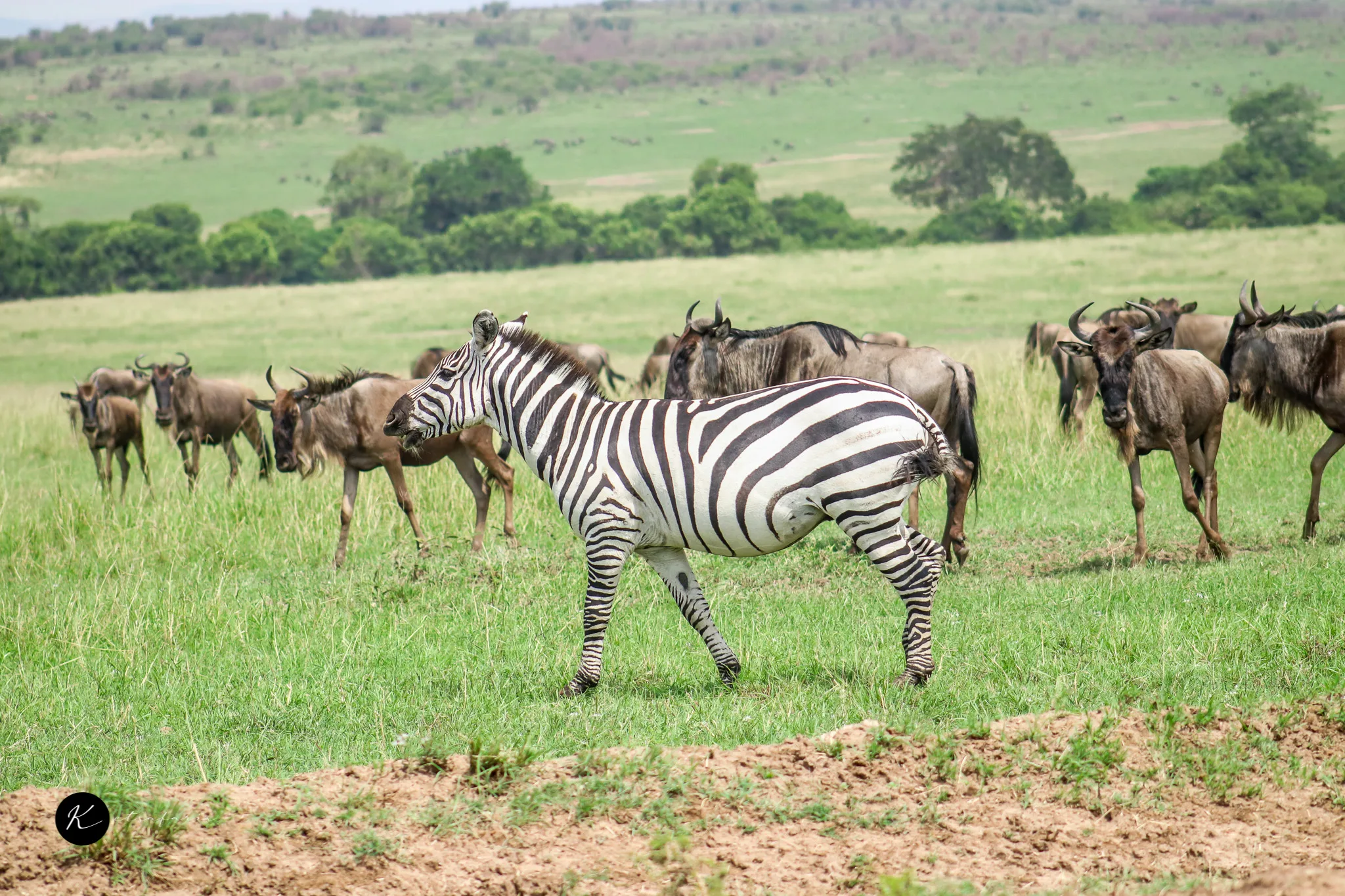
The Maasai Mara, in southwestern Kenya, is the country's most recognized savannah ecosystem. Open grassland stretches to the horizon, broken by acacia trees and the Mara River. It forms the northern extension of Tanzania's Serengeti, and the two ecosystems share the same wildlife corridor.
What Makes the Mara Distinct
The Mara is best known for hosting the Great Migration, when roughly two million wildebeest and zebra cross from the Serengeti between July and October in search of fresh grazing. Outside migration season, the Mara still holds resident lion prides, leopards, cheetahs, and large elephant herds year-round, making it a viable destination in almost any month.
Amboseli: Elephants Beneath Kilimanjaro
Amboseli National Park lies in southern Kenya, bordering Tanzania, in the shadow of Mount Kilimanjaro. Unlike the Mara's rolling grassland, Amboseli's terrain is flatter and drier, with seasonal swamps fed by underground water from Kilimanjaro's snowmelt.
Wildlife and Scenery Specific to Amboseli
Amboseli is best known for its elephant herds, some of the largest and most studied in Africa, along with a rare open sightline to Kilimanjaro's snow-capped summit on clear mornings. The swamp areas draw buffalo, hippos, and abundant birdlife, making it a strong contrast to the drier plains that surround them.
Tsavo: Kenya's Largest and Wildest Park
Tsavo, split into Tsavo East and Tsavo West, is Kenya's largest protected area by far. Its terrain is rougher and less manicured than the Mara or Amboseli, characterized by red volcanic soil, scrubland, and lava rock formations.
Tsavo East vs. Tsavo West
Tsavo East is flatter and more open, known for its "red elephants" that take on the color of the local soil after dust-bathing. Tsavo West is hillier and more varied, with natural springs, volcanic cones, and denser vegetation. Together, the two parks support large populations of elephants, lions, and one of Kenya's most important black rhino sanctuaries.
Lake Nakuru: A Soda Lake Ecosystem
Lake Nakuru sits within the Rift Valley and is protected as a national park in its own right. Its defining feature is its alkaline water chemistry, which historically supported enormous flamingo populations, though numbers fluctuate with water levels year to year.
Beyond the Flamingos
Lake Nakuru National Park is also a rhino sanctuary, home to both black and white rhino, along with Rothschild's giraffe and healthy lion populations. The surrounding escarpment and acacia woodland give it a noticeably different visual character from the open plains further south.
The Kenyan Coast: A Different Kind of Landscape Entirely
Kenya's Indian Ocean coastline, anchored by towns like Mombasa, Diani, and Lamu, is a complete departure from the inland savannah. Coral reefs, mangrove forests, and white sand beaches define this region, with a humid, tropical climate rather than the semi-arid conditions common inland.
How the Coast Fits Into a Broader Trip
Many travelers combine an inland wildlife circuit with a few days on the coast, pairing game drives with reef snorkeling, dhow sailing, or time in Lamu's Old Town, a UNESCO World Heritage site with Swahili architectural roots dating back centuries.
How Climate Affects What You'll See
Kenya's regions don't just differ in terrain, they follow different rainfall patterns. Inland parks like the Mara and Amboseli have a long dry season (roughly June to October) and a wetter period (November to May), while the coast follows a more tropical, humid pattern with its own rain cycles. This is why wildlife visibility, vegetation density, and even road conditions can vary significantly depending on when and where you travel within the same trip.
Bringing It Together
No single park or region captures everything Kenya offers. The Mara delivers open grassland drama, Amboseli pairs elephants with mountain views, Tsavo offers rugged wilderness at scale, Lake Nakuru concentrates rare rhino and bird sightings in a compact space, and the coast provides an entirely different sensory experience.