Traffic control training is vital to delivering large infrastructure projects safely and on schedule. It makes sure teams follow safety procedures and that workers are prepared for the realities of working on busy sites. This article looks at the certifications and safety rules that matter, the strategies that improve traffic management, and how new technology is changing training. Read on to learn how strong traffic management planning boosts both safety and project performance as projects become more complex.
Key traffic control certifications — what they are and why they matter
Certifications give personnel the practical skills and knowledge needed to control traffic safely around worksites. Different credentials target specific roles — for example, flaggers, supervisors and site managers. Knowing which certifications apply to your team is essential for meeting regulations and keeping your site safe.
Which certifications are essential for flaggers and supervisors?
Flaggers and supervisors are central to site safety. Common, essential certifications include:
- Flagger Certification: Confirms flaggers can use correct signalling, positioning and procedures to direct traffic without creating extra risk.
- Traffic Control Supervisor Certification: Prepares supervisors to read and implement traffic management plans and responsibly lead crews on site.
- OSHA Safety Training: Ensures workers meet mandatory workplace-safety expectations and understand their duties under applicable regulations.
These qualifications not only raise on-site safety standards but also keep projects compliant with regulatory requirements, reducing the chance of incidents and costly delays.
How do certification authorities regulate training standards?
Certification authorities, such as OSHA and state transportation agencies, set the training content and delivery standards for traffic control personnel. They publish guidelines, run audits and require assessments to confirm programs meet industry expectations. Non-compliance can lead to fines or revoked certifications — so following these rules is essential for maintaining credible, safe operations.
How do safety protocols and regulatory compliance affect project outcomes?
Safety protocols and regulatory compliance protect workers and the public, and they also help projects run more smoothly. Sticking to established standards leads to fewer incidents, less downtime and lower legal and financial risk — all of which support on-time, on-budget delivery.
What OSHA and MUTCD standards govern work zone safety?
The Occupational Safety and Health Administration (OSHA) and the Manual on Uniform Traffic Control Devices (MUTCD) are key references for work zone safety. Important elements include:
- OSHA Regulations: Define employer responsibilities for worker safety, including training, personal protective equipment and safe work procedures.
- MUTCD Guidelines: Specify how signs, cones and other devices should be designed and placed so traffic is managed predictably and visibly around worksites.
Following these standards is fundamental to reducing risk for both crews and road users.
How does compliance reduce accidents and improve efficiency?
Projects that follow OSHA and MUTCD guidance typically see fewer work-related incidents. Fewer accidents mean less disruption, faster recovery from incidents and a stronger track record — which in turn supports better project schedules and future contract opportunities.
What traffic management planning strategies work best on large infrastructure projects?
Good traffic management planning limits disruption and protects people. A clear, well-documented traffic management plan sets out how traffic will be moved, how works will be isolated, and how risks will be mitigated throughout the project.
How are traffic control devices and equipment used in planning?
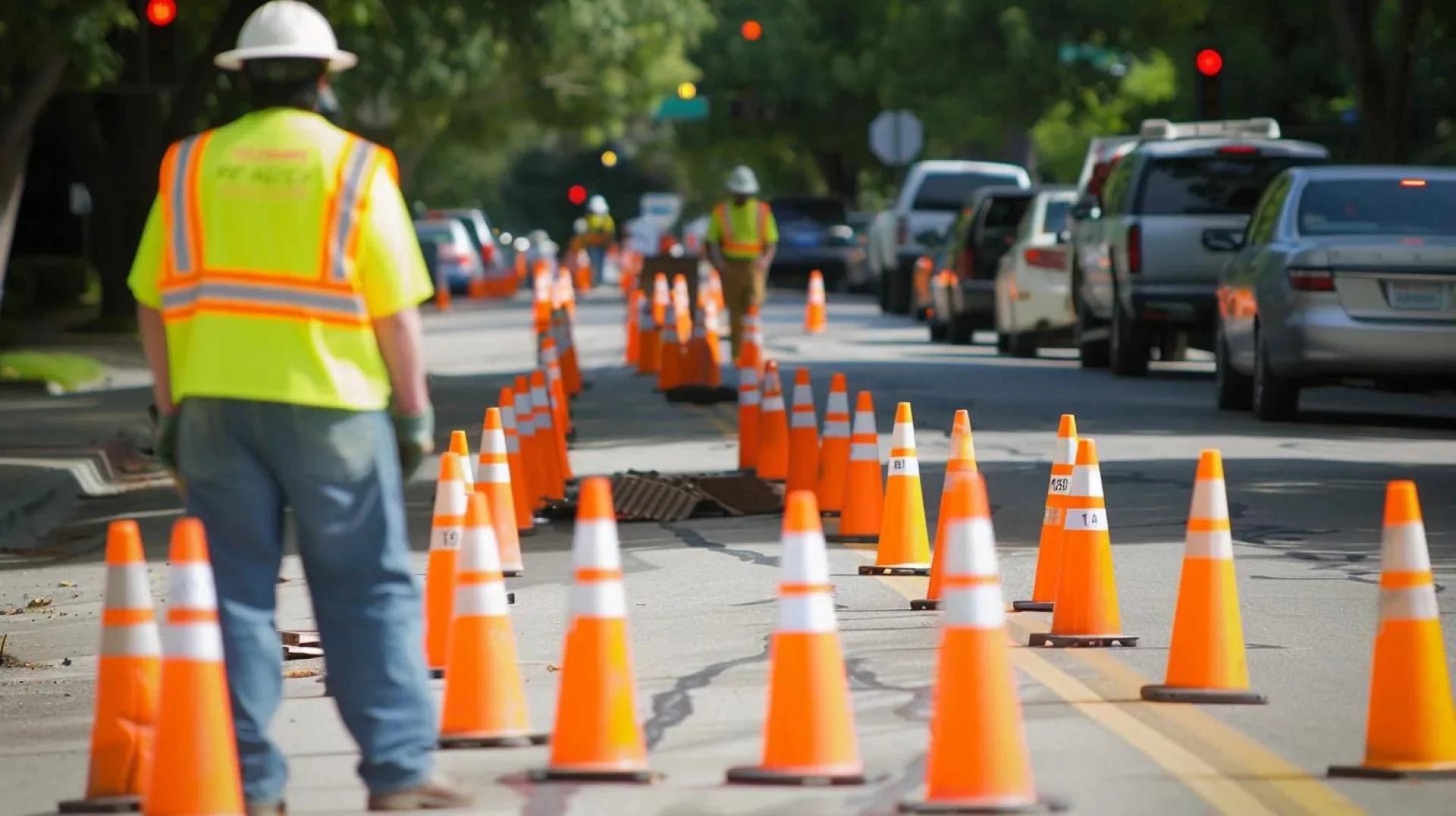
Traffic control devices — cones, barriers, signs and temporary signals — are the practical tools of any traffic plan. Their roles include:
- Direct Traffic: Correctly placed devices guide vehicles safely through or around the work area.
- Enhance Visibility: High-visibility gear and lighting make changes to traffic patterns obvious to drivers.
- Provide Information: Clear signage communicates speed changes, lane closures and detours so drivers can respond safely.
When devices are chosen and positioned with care, the likelihood of confusion and collisions drops significantly.
What roles do trained personnel play in executing traffic management plans?
Skilled personnel turn plans into safe, functioning work zones. Their responsibilities typically include:
- Monitoring Traffic Flow: Watching how traffic moves and adjusting controls to avoid congestion or hazards.
- Implementing Safety Measures: Setting up and maintaining devices exactly as the plan requires.
- Responding to Incidents: Quickly addressing crashes or unexpected events to protect people and restore safe conditions.
Reliable, well-trained teams are the difference between a plan on paper and a safe site in practice.
What are the roles and responsibilities of traffic control personnel in construction zones?
Traffic control personnel form the frontline defence for safety around construction works. Their day-to-day duties keep movement flowing and risks managed so the site can operate efficiently.
What duties do flaggers and supervisors perform on-site?
Flaggers and supervisors work together to keep the site safe:
- Flaggers: Use signals and signage to direct vehicles and pedestrians safely around active work areas.
- Supervisors: Manage the team, ensure procedures are followed and adapt the plan as conditions change.
Both positions are essential to maintaining safe, coordinated operations.
How does training prepare personnel for risk mitigation?
Training gives staff the tools to spot hazards and act decisively. Core training elements include:
- Safety Protocols: Practical instruction on following procedures and using safety equipment correctly.
- Emergency Response: Clear steps for handling incidents to reduce harm and re-establish control.
- Communication Skills: Techniques for coordinating with the team and informing road users effectively.
Good training turns awareness into action, lowering the chance of incidents on site.
How are emerging technologies changing traffic control training and work zone safety?
New technology is reshaping how we train staff and run work zones. Digital tools and data-led systems make training more realistic and help teams react faster to changing conditions.
What digital traffic control devices are being integrated?
Digital devices like electronic message boards and automated signals are becoming common. Their benefits include:
- Real-Time Updates: Provide drivers with up-to-date information about delays, lane changes and detours.
- Enhanced Communication: Improve coordination between on-site teams and road users for smoother traffic flow.
- Data Collection: Capture traffic patterns and device performance to guide future planning and improve safety.
These systems make traffic control more responsive and data-driven.
How do technology advancements influence training programs?
Technology is also changing how teams learn and maintain skills. Key impacts include:
- Virtual Training Simulations: Let trainees practise scenarios safely and build confidence before heading onto live sites.
- Online Learning Platforms: Offer flexible, accessible pathways to complete required certifications and refresh skills.
- Data-Driven Insights: Allow training providers to measure performance and tweak programs based on real outcomes.
These tools help produce better-prepared personnel and more resilient training programs.
What case studies and best practices show the value of traffic control training?
eal projects and shared best practices reveal how focused training improves safety and project results. Studying these examples helps teams adopt what works.
Which recent infrastructure projects highlight training effectiveness?
Recent large-scale projects that invested in comprehensive traffic control training reported fewer traffic incidents and smoother operations than comparable works. For example, a major highway expansion that mandated rigorous training for all traffic personnel saw a noticeable drop in traffic-related events versus past projects — a clear return on training investment.
What lessons can be learned to improve future safety protocols?
Consistent lessons from successful projects include:
- Continuous Training: Regular refreshers keep skills current as standards and equipment evolve.
- Collaboration with Regulatory Bodies: Working with certification authorities ensures programs meet the latest requirements and best practice.
- Emphasis on Real-World Scenarios: Practical, scenario-based training better prepares crews for on-site challenges.
Applying these lessons helps future projects lift safety standards and run more efficiently through better trained teams.