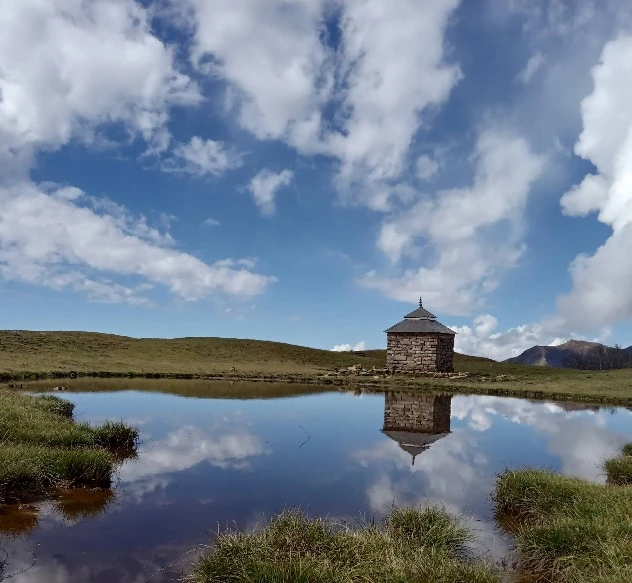
The Kedartal trek difficulty often surprises people. On paper, it looks like a short Himalayan trek. In reality, it demands solid fitness, mental strength, and a fair bit of mountain sense.
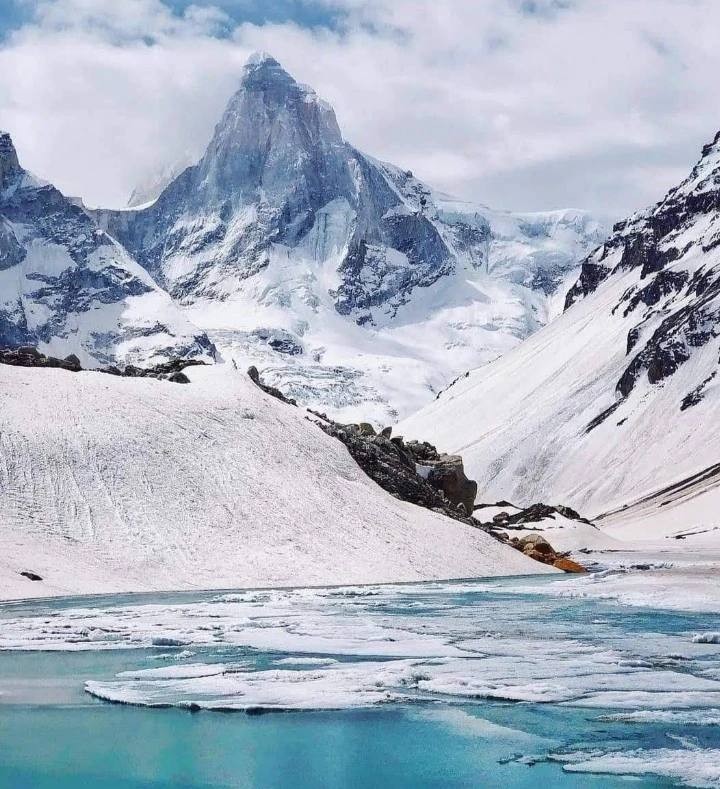
Located in Uttarakhand, near the sacred town of Gangotri, the trek leads to the stunning glacial lake Kedartal at around 4,750 meters. The views are rewarding, but the trail does not go easy on anyone.
Let’s break down the difficulty level in a practical, honest way.
Understanding the Overall Difficulty Level
Kedartal falls under the moderate to difficult category. Beginners often underestimate it, but experienced trekkers respect it.
Why does it feel tough?
- Steep ascents right from the start
- Narrow and exposed trails in several sections
- High altitude gain in a short distance
- Unpredictable weather conditions
Unlike popular beginner treks, this route does not give you long, easy walking days. It pushes your stamina early and keeps testing it.
Distance and Terrain: Short but Demanding
The total trek distance stands at roughly 18-20 km one way, starting from Gangotri.
That sounds manageable, right? Here’s the catch.
The trail includes:
- Rocky paths with loose stones
- Boulder crossings that need balance
- Ridge walks with steep drops
- Occasional landslide-prone sections
You don’t just “walk” here. You climb, scramble, and stay alert. One careless step can slow you down or even risk injury.
Altitude Gain and Acclimatization
Altitude plays a major role in the Kedartal trek difficulty.
You start at about 3,100 meters in Gangotri and reach nearly 4,750 meters at Kedartal. That’s a rapid gain.
Common challenges include:
- Breathlessness during steep climbs
- Risk of Acute Mountain Sickness (AMS)
- Reduced stamina above 4,000 meters
Trekkers who ignore acclimatization often struggle the most. Even fit individuals feel the pressure of thin air.
Smart tip: Spend a day in Gangotri before starting. It helps your body adjust and improves your chances of a smoother trek.
Steep Climbs That Test Your Legs
Kedartal does not believe in gentle introductions.
From day one, the trail climbs aggressively. Sections like the ascent towards Bhoj Kharak demand:
- Strong leg muscles
- Good balance
- Consistent pacing
You rarely get long flat stretches. Your legs stay engaged almost the entire time.
If you skip leg training before this trek, your muscles will remind you loudly.
Exposure and Trail Safety
One of the most talked-about aspects of Kedartal is trail exposure.
Certain stretches run along narrow ridges with steep valleys below. These sections require:
- Focus
- Confidence while walking
- No fear of heights
The trail remains safe if you stay cautious. However, it does not forgive careless behavior.
This is one reason why many trekking organizations rate it above average difficulty.
Weather Conditions: Unpredictable and Harsh
Weather in the Garhwal Himalayas can change quickly.
On the Kedartal route, you might experience:
- Bright sun in the morning
- Sudden cold winds by afternoon
- Temperature drops at night
Even during peak trekking months, nights can go below freezing.
Rain or snowfall can make the trail slippery and increase difficulty instantly.
Packing the right gear becomes essential, not optional.
Technical Skills: Not Mandatory but Helpful
You don’t need advanced mountaineering skills for Kedartal. However, basic trekking experience helps a lot.
Useful skills include:
- Walking on uneven terrain
- Maintaining balance on rocks
- Using trekking poles effectively
First-time trekkers may find these challenging. That’s why experts often suggest attempting easier Himalayan treks before this one.
Fitness Level Required
Let’s be clear. Average fitness won’t cut it here.
You should aim for:
- Ability to walk 6-7 hours daily
- Strong cardiovascular endurance
- Good leg strength
A simple benchmark:
If you can comfortably jog 5 km in 30-35 minutes and handle long uphill walks, you stand a better chance.
Without preparation, this trek can feel exhausting rather than enjoyable.
Mental Strength Matters More Than You Think
Physical fitness helps, but mental strength keeps you going.
You will face:
- Long walking hours
- Tough climbs
- Cold and fatigue
At some point, your mind will ask, “Why am I doing this?”
That’s normal.
Trekkers who stay patient, take steady steps, and keep a positive mindset usually complete the trek successfully.
Best Season and Its Impact on Difficulty
The best time for Kedartal is:
- May to June (pre-monsoon)
- September to October (post-monsoon)
Each season affects difficulty differently.
Summer (May-June)
- Snow patches may remain on higher sections
- Trails look beautiful but can feel slippery
Autumn (September-October)
- Clear views and stable weather
- Colder nights but easier trail conditions
Avoid monsoon season. Landslides and slippery paths make the trek risky.
Who Should Attempt Kedartal Trek?
This trek suits:
- Trekkers with prior Himalayan experience
- Physically fit individuals
- People comfortable with heights and exposure
It may not suit:
- Absolute beginners
- Those with low stamina
- Anyone with serious altitude-related health issues
If you are new, start with easier treks and build your experience gradually.
Practical Tips to Handle the Difficulty
You don’t need superpowers to complete Kedartal. You need preparation.
Here are some realistic tips:
- Train at least 4-6 weeks before the trek
- Focus on cardio and leg workouts
- Carry proper trekking shoes with good grip
- Stay hydrated and eat regularly
- Walk at a steady pace instead of rushing
- Listen to your body, especially at high altitude
Small habits make a big difference on tough trails.
Final Verdict: Is Kedartal Trek Difficult?
Yes, it is.
But it’s not impossible.
The Kedartal trek difficulty comes from a mix of altitude, terrain, and steep climbs. It challenges both your body and your mind.
At the same time, it rewards you with raw Himalayan beauty glacial lakes, towering peaks, and silence that feels rare in today’s world.
If you prepare well and respect the mountains, this trek can become one of your most memorable adventures.
And once you stand beside Kedartal, catching your breath while staring at massive peaks, you’ll realize every tough step was worth it.